
Instrument Rating: How It Enhances Your Safety and Career Prospects
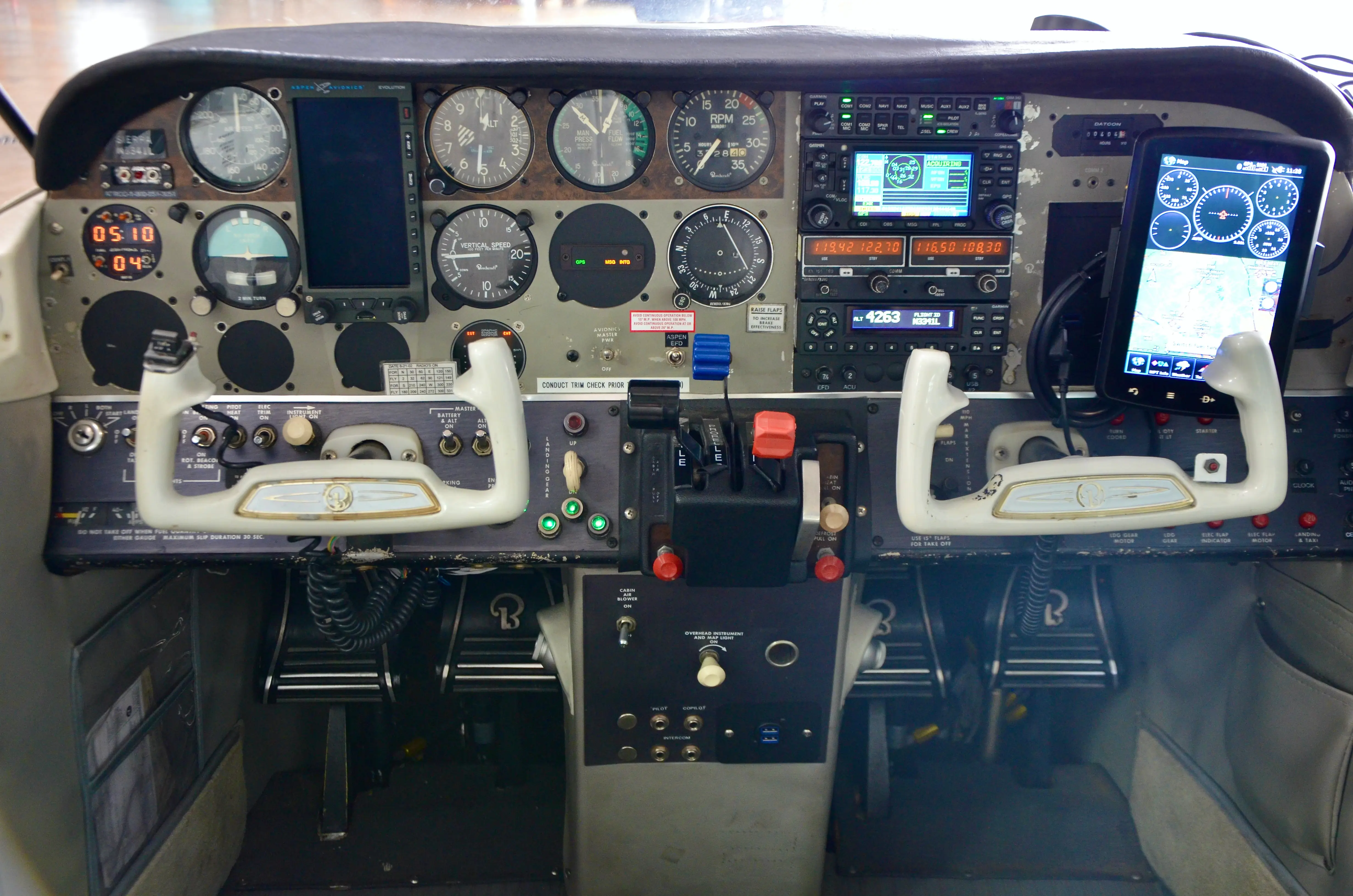
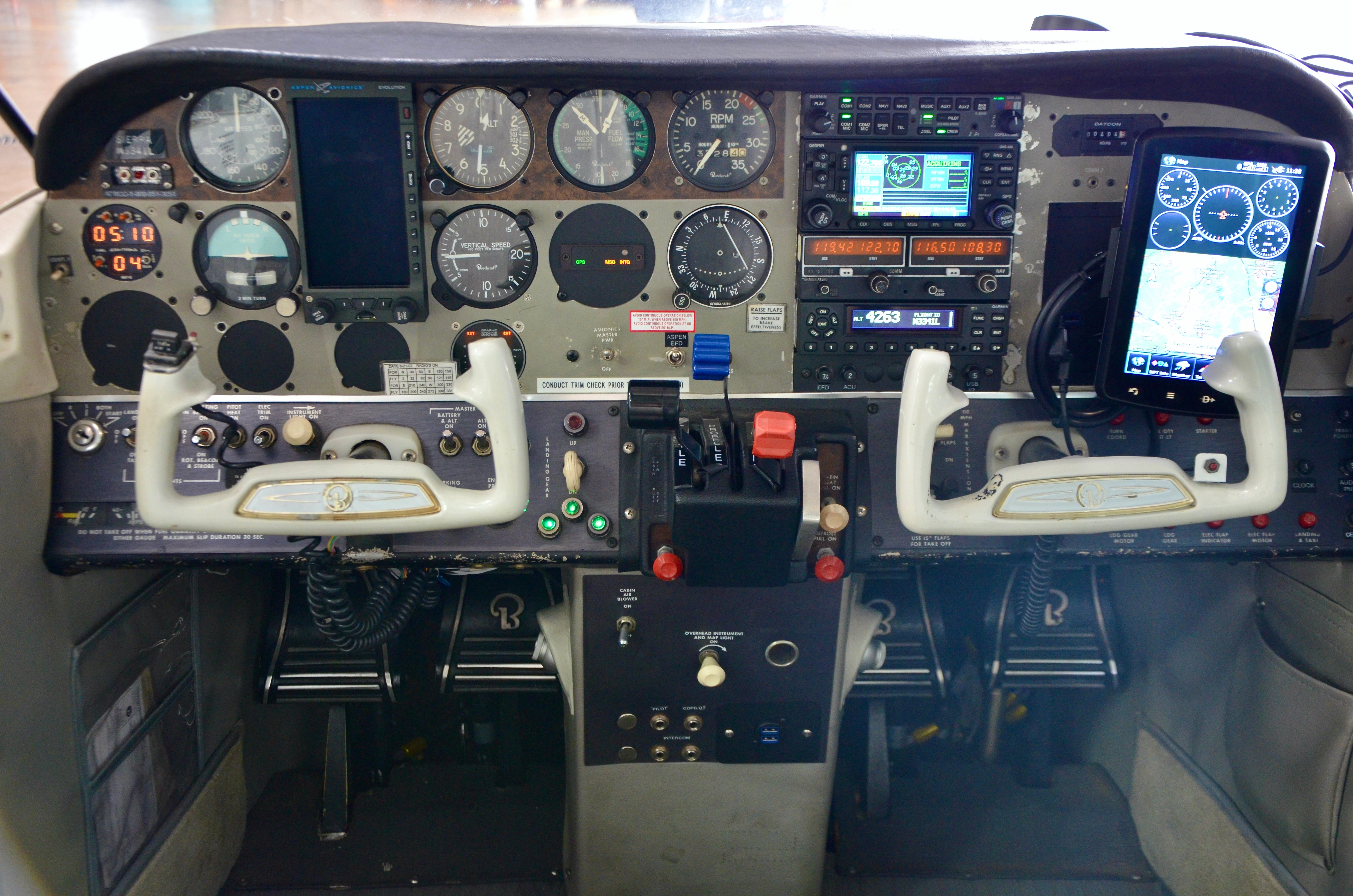
For many pilots, earning an Instrument Rating marks the transition from basic flying to professional-level aviation. While a Private Pilot License builds foundational skills, the Instrument Rating significantly enhances safety, confidence, and career opportunities.
At Pitcairn Flight Academy, students receive structured IFR training built around real-world weather, decision-making, and precision flying.
Why the Instrument Rating Matters
Flying solely by reference to instruments allows pilots to maintain control and situational awareness when visual references are lost. This capability dramatically increases safety and operational flexibility.
Improved Safety in Low-Visibility Conditions
Instrument-rated pilots are trained to handle IMC, unexpected weather changes, and complex ATC instructions while maintaining precise aircraft control.
Better Navigation and Precision Flying
IFR training develops mastery of approaches, holding procedures, advanced navigation systems, and professional ATC communication—skills that elevate every aspect of flying.
A Major Advantage for Aviation Careers
An Instrument Rating is required for commercial training and is a critical qualification for airline, charter, and corporate pilots. It demonstrates strong aeronautical decision-making and commitment to safety.
Real-World Weather Experience
Training in Pennsylvania exposes students to diverse weather conditions, providing valuable real-world IFR experience under controlled and supervised environments.
Take Your Skills to the Next Level
Whether your goal is safer personal flying or a professional aviation career, earning an Instrument Rating is one of the most valuable steps you can take.
Start your Instrument Rating at Pitcairn Flight Academy and elevate your flying to professional standards.