The Benefits of Learning to Fly in Uncongested Airspace
The Benefits of Learning to Fly in Uncongested Airspace
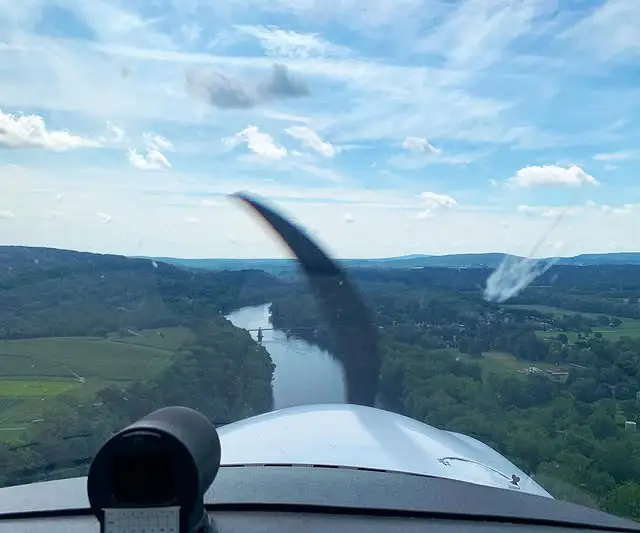
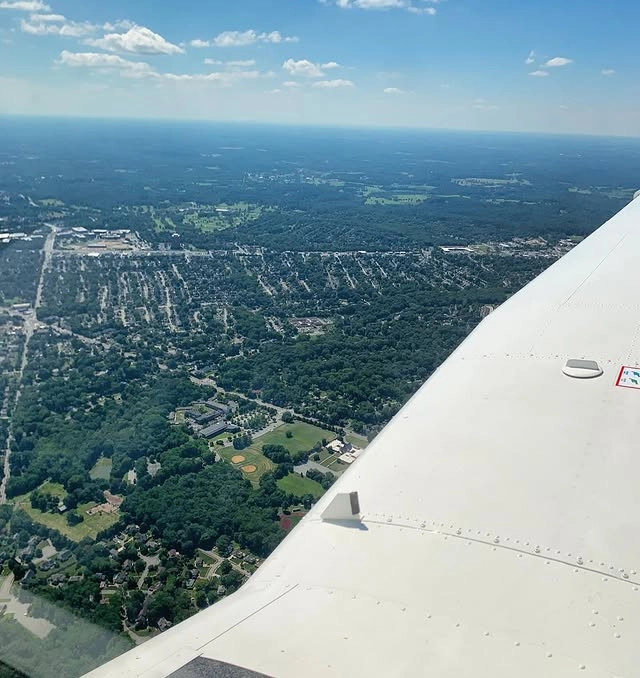
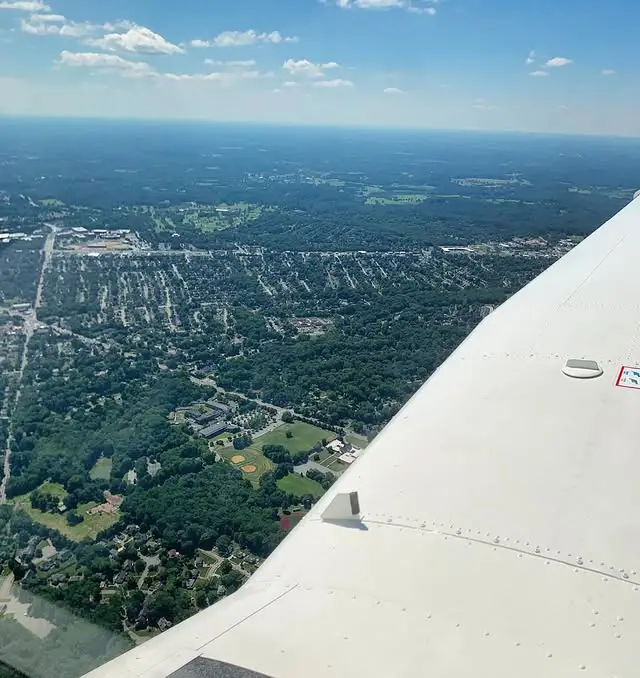
For new student pilots, the environment where you learn to fly can make a major difference in training success. While busy metropolitan airports have advantages, uncongested airspace often provides a safer and more supportive learning experience—especially for beginners. At :contentReference[oaicite:2]{index=2}, home of :contentReference[oaicite:3]{index=3}, students benefit from open skies, reduced traffic, and focused instruction.
Safer Learning Environment
With fewer aircraft in the traffic pattern, student pilots experience less stress and fewer distractions. Instead of managing heavy radio traffic or tight sequencing, students can concentrate on mastering takeoffs, landings, and basic navigation. This calmer environment helps build confidence early in training.
More Flight Time, Less Waiting
Congested airports often lead to delays that reduce effective lesson time. At Heritage Field, uncongested airspace allows for quicker departures, smoother scheduling, and more productive use of each training session.
Clearer Communication Skills
Air traffic control communications can feel intimidating for new pilots. In uncongested airspace, students can practice standard radio phraseology at a comfortable pace without feeling rushed. This gradual approach builds confidence before transitioning to busier airspace later in training.
Confidence Before Complexity
Heritage Field offers an ideal balance for student pilots. Beginners train in a calm environment while still having access to nearby Class B and Class C airspace for advanced lessons. This allows students to increase complexity gradually as their skills develop.
A True Community Atmosphere
Unlike large commercial airports, Heritage Field fosters a close-knit aviation community. Students, instructors, and local pilots interact regularly, creating a welcoming and supportive atmosphere that encourages learning and growth.
Why Heritage Field (KPTW) Is Ideal for Beginners
At Pitcairn Flight Academy, we believe training location matters as much as curriculum. Heritage Field’s uncongested airspace, combined with professional instruction and a strong safety culture, makes it an excellent environment for new pilots in Pennsylvania.
Whether you’re beginning your Private Pilot License or working toward a professional aviation career, Heritage Field provides the right runway for success.
Ready to take the first step? Schedule a discovery flight today at Pitcairn Flight Academy.