Why Most Student Pilots Drop Out
It is a sobering statistic in the aviation world: nearly 70% to 80% of people who start flight training never reach their checkride. For every student who successfully earns their wings at Heritage Field (KPTW), several others walk away before completing their private pilot training.
At Pitcairn Flight Academy, we believe in “Aviation Done Right.” That means being honest about why students quit and building a supportive environment that helps our neighbors from Pottstown, PA, and the surrounding Montgomery County area beat the odds. Understanding these pitfalls is the first step toward ensuring you aren’t just another statistic.
1. The “Plateau” Frustration
Every student pilot hits a learning plateau. Usually, this happens right before the first solo or during the transition to cross-country navigation. A student might struggle with landings for three lessons in a row and feel like they aren’t “cut out” for flying.
In larger “pilot factories,” students are often treated like a number. If they struggle, they get lost in the shuffle. At Pitcairn, our UVP is a personalized, family-like culture. We recognize when a student from Phoenixville or Royersford is hitting a wall and provide the specific mentorship needed to push through it. We don’t just teach the maneuvers; we teach the mindset.
2. Inconsistent Training Schedules
Consistency is the “secret sauce” of flight training. Students who fly once every two weeks spend half of every lesson relearning what they forgot. This leads to slow progress, higher costs, and eventual burnout.
Living in the Northeast means dealing with changing weather. Students in Reading, PA, or West Chester might see a week of clouds and give up. To combat this, Pitcairn utilizes high-fidelity Redbird flight simulators. In 2026, there is no reason to “lose a week” to weather. If it’s raining over Chester County, you should be in the sim practicing your procedures so your skills stay sharp.
3. Financial “Surprises” and Poor Planning
Flight training is an investment, but many students drop out because they didn’t have a clear financial roadmap. They pay as they go until the bank account hits zero, often just before they are ready for their checkride.
At Pitcairn, we advocate for honest, student-focused training. We help students from King of Prussia to Limerick map out a realistic budget from Day 1. By training at an efficient field like Heritage Field, our students avoid the hidden costs of “taxi-time” seen at major city hubs. Every dollar spent at KPTW goes toward actual learning, making the path to your commercial pilot certificate much more sustainable.
4. The “Impersonal” Instructor Gap
Sometimes the “vibe” just isn’t right. Many large schools use flight instructing as a revolving door for pilots who are just trying to leave for the airlines as fast as possible. If an instructor doesn’t care about your success, you won’t either.
Our instructors are part of the Pitcairn legacy. Whether you are learning at the airport or studying for your instrument rating in our lounge, you are part of a community. We bridge the gap between recreational flying and professional careers by ensuring our instructors are mentors first and time-builders second.
5. Overwhelming Ground School
Most people start flying because they want to be in the air, not behind a desk. When the complexity of federal regulations, weather theory, and airspace kicks in, many students get overwhelmed.
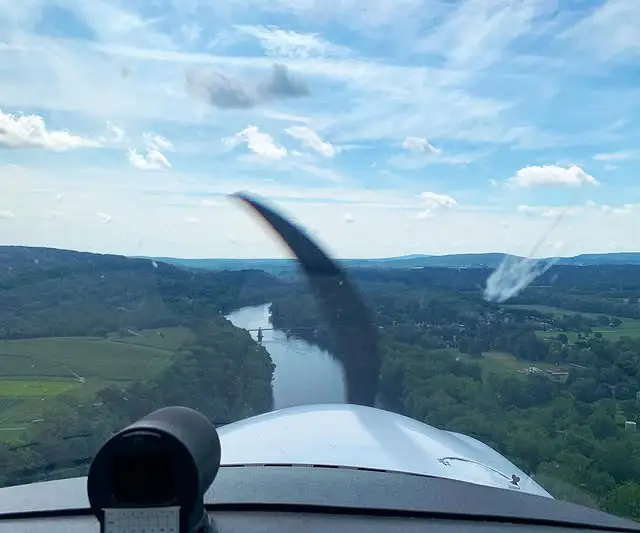
We help students from Boyertown and Collegeville tackle the “book work” through structured, interactive learning. We don’t just tell you to read the manual; we show you how that knowledge applies to the flight you just took over the Schuylkill Valley.
How to Be the 20% Who Succeed
Success in 2026 isn’t about having a “natural gift” for flying. It’s about choosing the right environment. To ensure you reach the finish line, we recommend:
- Flying at least twice a week: This keeps your muscle memory fresh.
- Using a Syllabus: Know exactly what is expected of you for every lesson.
- Choosing an Efficient Airport: Avoid the stress and cost of congested Philadelphia airspace.
- Becoming Part of the Community: Join us for events at the hangar to stay inspired.
Frequently Asked Questions
Is flight training too hard for the average person? No. If you can drive a car and have the discipline to study, you can fly an airplane. It’s less about “difficulty” and more about “persistence.”
What happens if I need to take a break? Life happens. However, at Pitcairn, we work with our students from Delaware and Pennsylvania to create “re-entry” plans so they don’t lose their previous progress.
Does Pitcairn offer support for the written exam? Absolutely. We provide the resources and mentorship needed to ensure you are confident long before you sit down for your FAA knowledge test.
Finish Your Journey at Pitcairn
Don’t let your dream of flight end in a half-finished logbook. Whether you are just starting in West Chester or looking to restart your training in Montgomery County, we are here to help you cross the finish line.
Ready to see why our students have a higher success rate? Take our quiz to see if you have the pilot mindset or Book a Discovery Flight to meet our team today.