
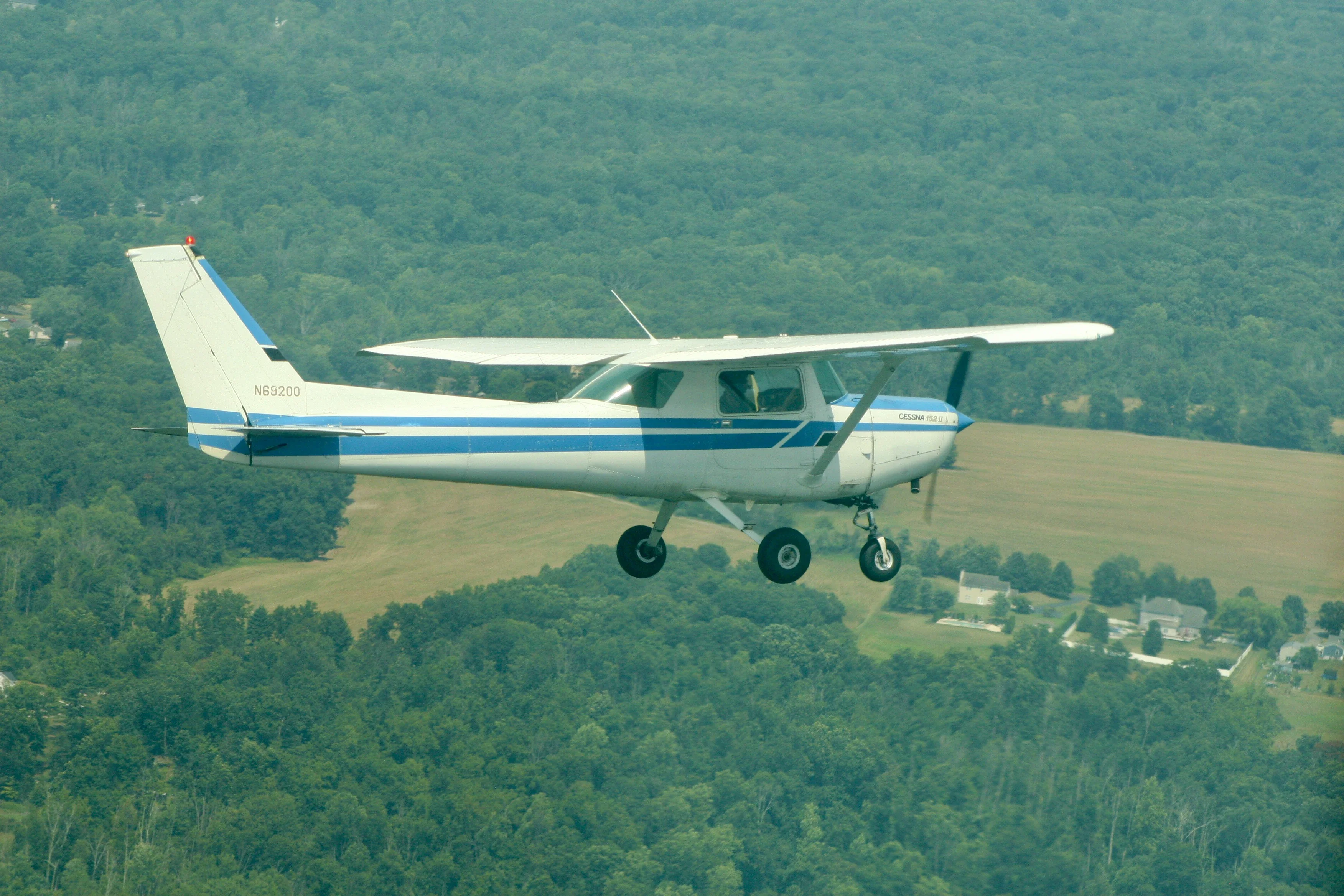
Your Future as a Pilot Starts Here
Flying can be a real career, built one certificate at a time. See where the industry is heading, what pilots earn, and the steps that take you from your first lesson to professional flying.
Industry Outlook
The Airlines Need the Next Generation of Pilots
Boeing's 2026 Pilot and Technician Outlook projects a need for 674,000 new commercial pilots worldwide through 2045, as air travel grows and experienced pilots retire.
In the U.S., the Bureau of Labor Statistics projects pilot jobs to grow about 4% from 2024 to 2034, with many openings coming from pilots who retire or move to other roles.
The path to the flight deck has clear milestones: private pilot, instrument rating, commercial pilot, flight instructor, then building the experience airlines look for. You can start every one of those steps at Heritage Field.
Pilot Pay
A Career That Rewards
Skill and Experience
Pilot pay grows with flight experience, certificates and seniority. According to the U.S. Bureau of Labor Statistics, the median annual wage for airline pilots, copilots and flight engineers was $226,600 in May 2024, and $122,670 for commercial pilots.
Those are medians across the whole profession, not starting salaries. Your own path depends on the jobs you choose and the experience you build along the way.
Each Step Builds on the Last
Most career pilots follow the same sequence. Each step gives you new privileges and gets you closer to professional flying.
Discovery Flight
- Take the controls with a certified flight instructor
- Find out if flying is for you before you commit
Private Pilot Certificate
- Learn to fly safely and carry passengers
- Pass the FAA knowledge test and checkride
Instrument Rating
- Fly by reference to instruments in the clouds
- Build precision that every professional job expects
Commercial Pilot Certificate
- Fly for compensation or hire, within the certificate's limits
- Sharpen your skills to a professional standard
Flight Instructor (CFI / CFII)
- Teach other pilots and deepen your own knowledge
- A common way to build flight experience
Building Toward the Airlines
- An ATP certificate generally requires 1,500 hours of flight time
- Some military pilots and qualifying degree graduates may be eligible with fewer hours
Your Future Depends on the Quality of Your Training
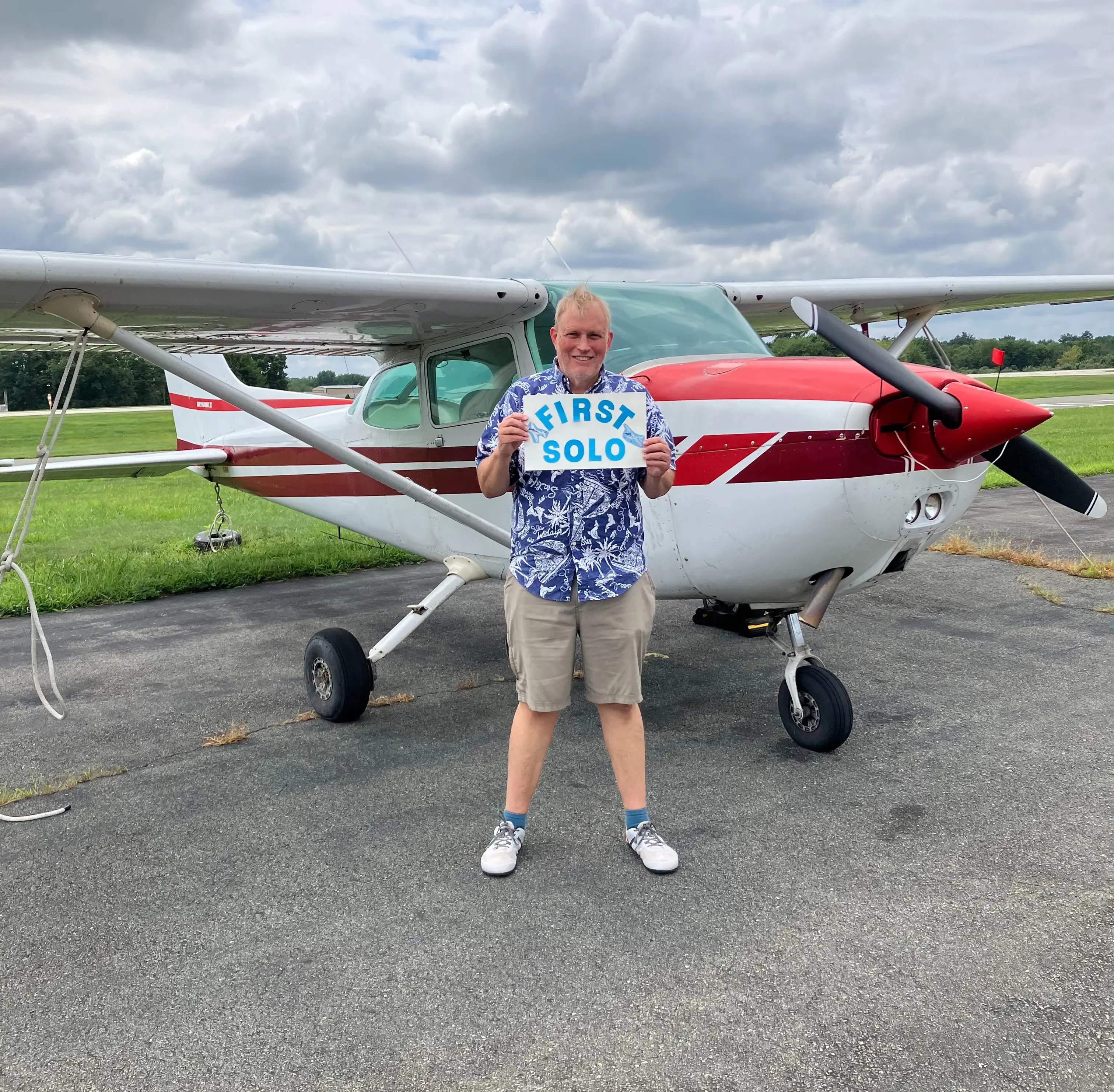
David and Rachael Pitcairn founded Pitcairn Flight Academy in 2022 to raise the standard of flight instruction, after seeing both excellent and poor training firsthand.
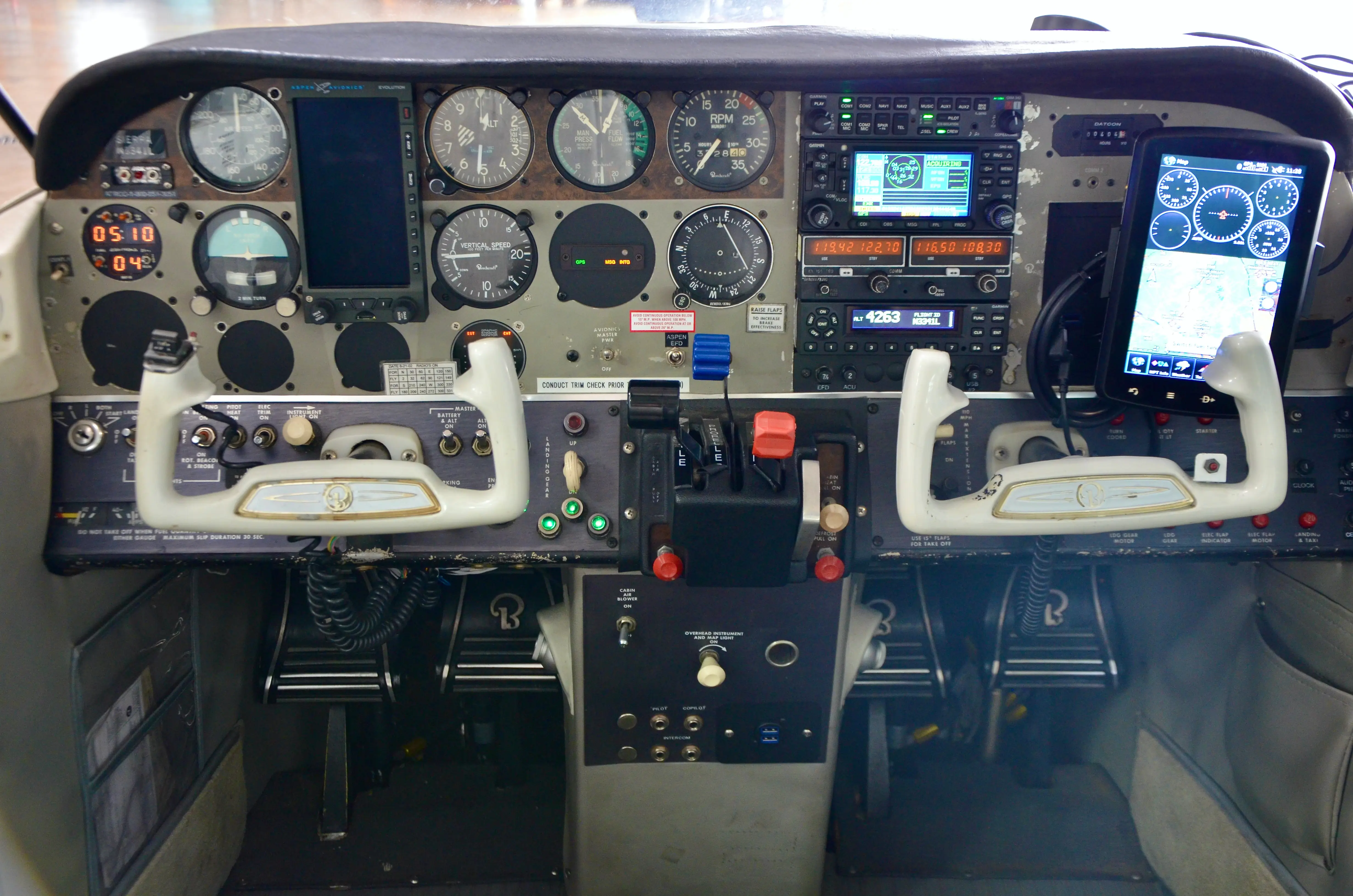
You train at Heritage Field (KPTW) in Pottstown, an uncongested airport where more of each lesson is spent flying, in our own fleet of Cessna 152s, Cessna 172s, a Beechcraft Sierra and a Tiger.
Our instructors are led by Chief Flight Instructor Andy Landis, with more than 20 years in flight training. As a Part 61 school, we build your training around your schedule, from your first lesson to your CFI.

Testimonials
What our Students Say
Frequently Asked Questions
Is becoming a pilot worth it?
For people who love flying and want a structured career, it can be. The Bureau of Labor Statistics reported a median annual wage of $226,600 for airline pilots in May 2024, and Boeing's 2026 outlook projects a need for 674,000 new pilots worldwide through 2045. A discovery flight is the best way to find out if the work itself is right for you.
How long does it take to become a commercial pilot?
The FAA sets minimum experience for each certificate, and your pace depends mostly on how often you fly. Flying consistently keeps your skills fresh between lessons. Our team can help you set a realistic plan around your schedule.
What is the 1,500-hour rule?
An airline transport pilot (ATP) certificate generally requires 1,500 hours of total flight time. Some military pilots and graduates of qualifying aviation degree programs may be eligible for a restricted ATP with fewer hours. The FAA explains the details on its ATP training page.
How do pilots build hours toward the airlines?
Many pilots earn a flight instructor certificate and build hours by teaching. Others take entry-level flying jobs that their commercial certificate and experience qualify them for.
Do I need a college degree to become a pilot?
FAA pilot certificates do not require one, but some employers set their own education requirements. Many pilots pair flight training with a degree, and graduates of qualifying aviation degree programs may be eligible for a restricted ATP with fewer hours.
Where do I start?
Start with a discovery flight at Heritage Field. You take the controls with a certified flight instructor and leave with a clear idea of your next step.
Still have questions? Contact our flight instructors
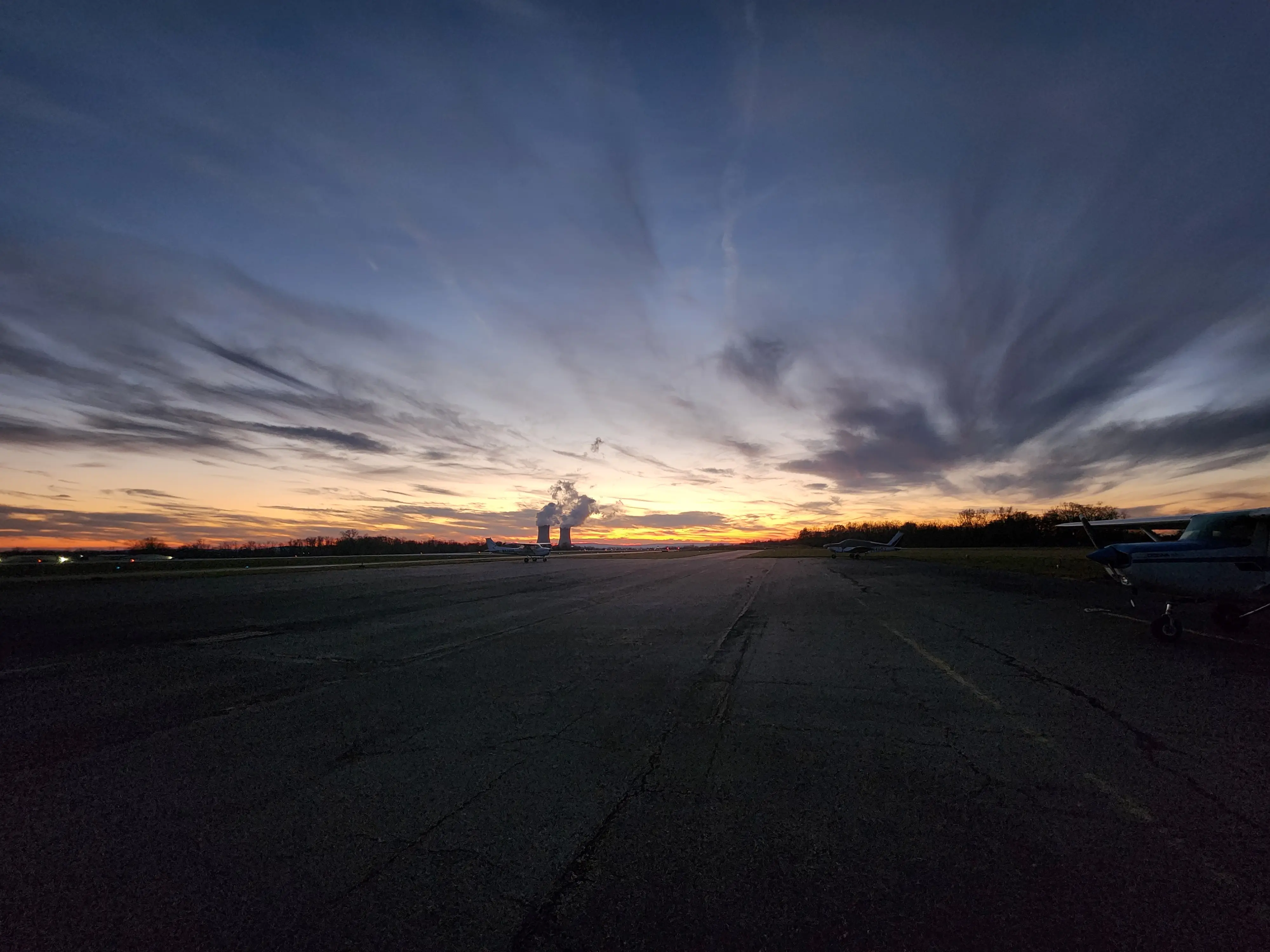
Ready to Take the Controls?
Start with a discovery flight at Heritage Field (KPTW) in Pottstown. You fly with a certified flight instructor, take the controls yourself, and leave with a clear next step toward your pilot certificate. Prefer to talk first? Schedule a visit and meet our team.