What Does It Mean to Be "In the Soup"?
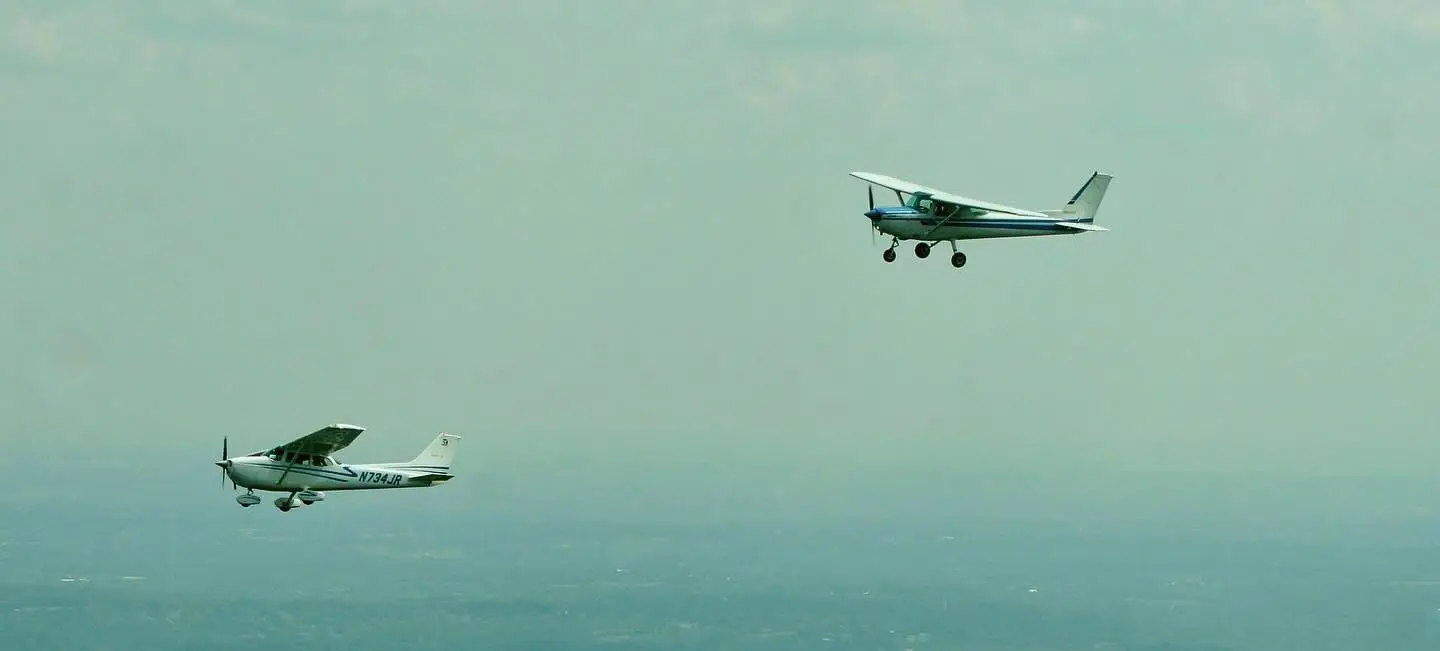
If you spend enough time around the hangars at Heritage Field (KPTW), you’ll eventually hear an instructor or a seasoned pro talk about flying “in the soup.” To a non-pilot, it sounds like a culinary disaster. To an aviator, it describes one of the most challenging and rewarding environments in the sky.
At Pitcairn Flight Academy, we believe in “Aviation Done Right,” which means moving beyond the textbook to understand the real-world conditions you’ll face in the cockpit. Here is the breakdown of what the “soup” really is and why it matters for your training in Pennsylvania.
The Definition: Flying in the Clag
In aviation slang, “the soup” refers to flying inside thick clouds, heavy fog, or intense haze where you have zero outside visual references. When you are in the soup, you can’t see the horizon, the ground, or even the tips of your own wings in some cases.
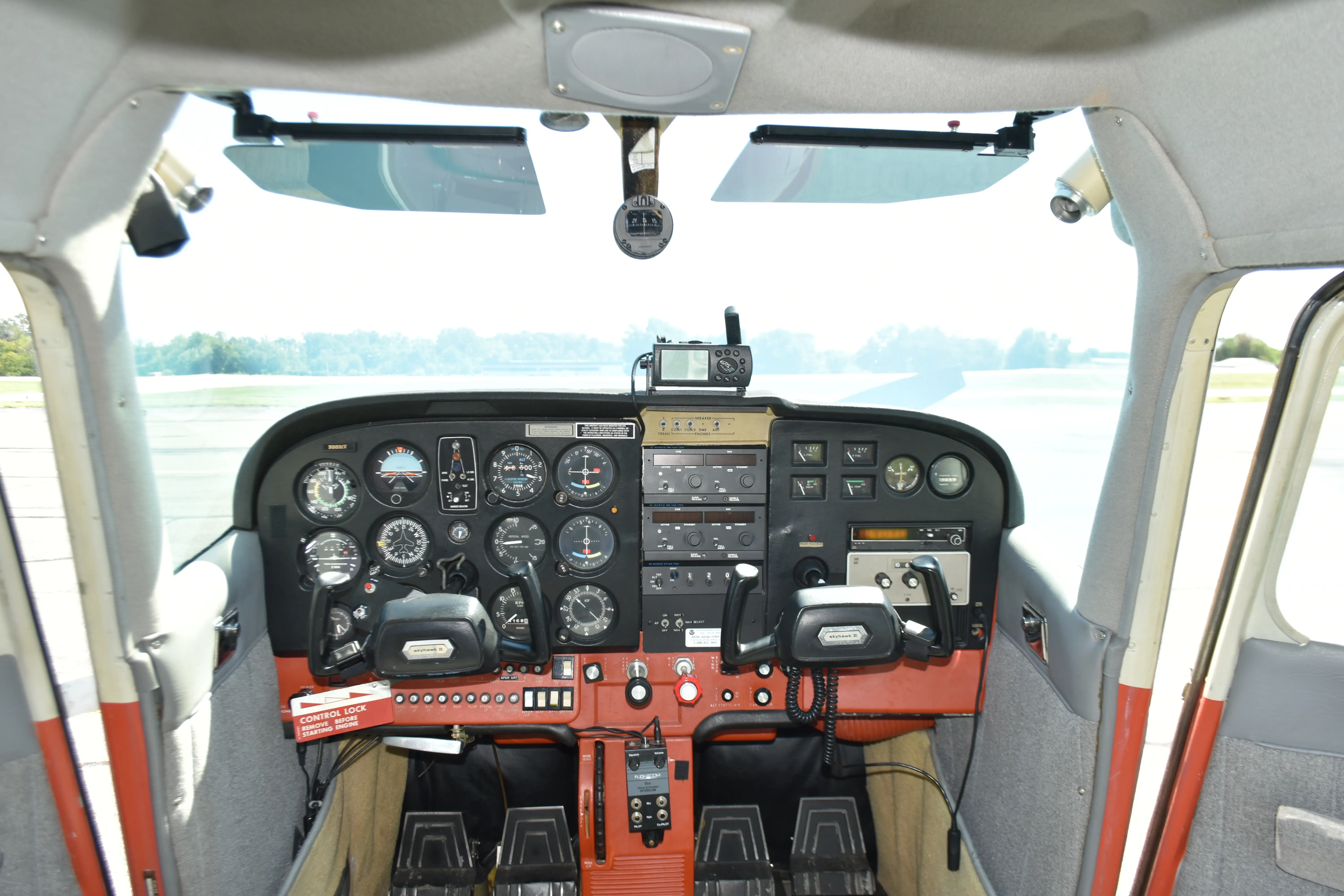
Technically, this is known as Instrument Meteorological Conditions (IMC). In these moments, “see and avoid” is no longer possible. You must rely entirely on your cockpit instruments to keep the airplane level and on course. It is an immersive, grey-out experience that requires total focus and disciplined scan techniques.
Why Pennsylvania Pilots Know the Soup Well
Training in the Northeast Corridor—specifically near Pottstown, PA, and Reading—provides a masterclass in varied weather. Because of our proximity to the Atlantic and the rolling terrain of Berks County and Montgomery County, we see plenty of “the soup” throughout the year.
While flight schools in the desert rarely see a cloud, Pitcairn students learn to respect and navigate the changing visibility patterns of the Schuylkill Valley. When a low-pressure system moves through West Chester or King of Prussia, our instrument rating students are often in the simulator or the cockpit, learning how to handle these real-world conditions safely.
The Danger of Inadvertent Entry
For a pilot flying under Visual Flight Rules (VFR), entering the soup accidentally is a major emergency. Without instrument training, the human inner ear can quickly play tricks on the brain—a phenomenon known as spatial disorientation. You might feel like you are turning when you are flying straight, or feel level when you are actually in a graveyard spiral.
This is why we emphasize that every private pilot training student understands their limits. We teach our neighbors from Phoenixville, Royersford, and Collegeville how to recognize deteriorating weather and make the 180-degree turn to safety before they lose the horizon.
Mastering the Soup: The Instrument Rating
To fly legally and safely “in the soup,” you must earn an instrument rating. This training transforms you from a pilot who “looks out the window” to a pilot who “trusts the panel.”
At Pitcairn, we use a combination of our modern Cessna fleet and high-fidelity Redbird simulators to prepare you for this. You will learn:
- The Scan: How to move your eyes across the “six-pack” or Glass Cockpit displays every few seconds.
- Approach Procedures: How to follow an electronic “glide path” all the way down to the runway at airports like Pottstown or Philadelphia.
- ATC Communication: Working with controllers in the busy Delaware Valley airspace to ensure separation from other aircraft you can’t see.
Efficiency Training at KPTW
One of the best things about training at Heritage Field is that we aren’t buried under the heavy commercial traffic of a major metro hub. When the “soup” rolls into Limerick or Boyertown, we can often get our students into the system and practicing approaches with minimal delays. This high-efficiency environment means you spend more time mastering the gauges and less time holding for a clearance.
Frequently Asked Questions
Is it scary to fly in the soup? At first, it can be disorienting. However, with proper training and mentorship, it becomes a peaceful and highly satisfying professional skill. There is nothing quite like breaking out of the clouds and seeing the runway lights perfectly aligned in front of you.
Can any airplane fly in the soup? No. The aircraft must be “IFR equipped” with specific instruments and navigation gear. Our fleet at Pitcairn is maintained to the highest standards to ensure they are ready for these conditions.
How do I start learning to fly in clouds? You start by getting your Private Pilot Certificate. Once you have the basics of flight down, you can move on to your instrument rating, which is the “key” to the soup.
Trust Your Instruments
Whether you’re commuting from West Chester or starting your journey in King of Prussia, learning to navigate “the soup” is a rite of passage for every professional pilot. It represents the transition from a fair-weather flyer to a true all-weather aviator.
Ready to see the world from inside the clouds? Take our quiz to see if you have the focus of an instrument pilot, or Book a Discovery Flight at Heritage Field to start your training today.