How to Get 1500 Flight Hours Fast: 5 Strategies for Aspiring Airline Pilots
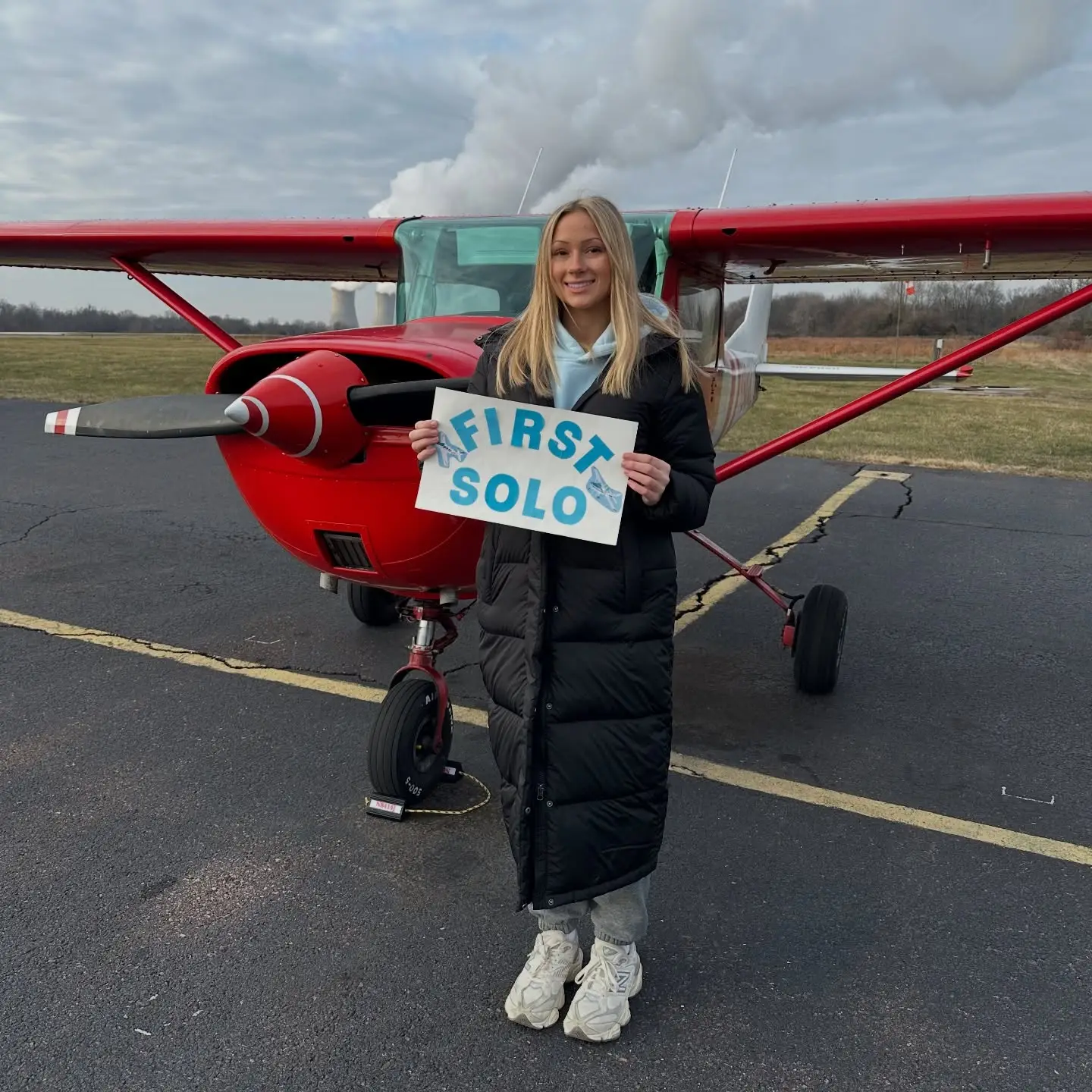
For any aspiring airline pilot, the journey from a freshly minted Commercial Pilot Certificate to the right seat of an airliner is measured in flight hours. The magic number is 1,500, the total time required by the FAA to earn an Airline Transport Pilot (ATP) certificate. This can seem like a monumental task, leaving many students wondering what the fastest way to get 1500 flight hours really is.
The good news is that with a smart strategy, reaching this goal is more achievable than ever. At Pitcairn Flight Academy, we don’t just teach you to fly; we guide you on the most efficient path to a professional career. Here are five proven strategies for how to build 1500 flight hours without breaking the bank.
First, Understand the Goal: The 1500-Hour Rule
Before diving into time-building strategies, it’s crucial to understand why this rule exists. The FAA mandates 1,500 hours to ensure pilots have a deep well of experience before they are responsible for passengers’ lives. It’s not just about the quantity of hours, but the quality. For a full breakdown of the requirements, check out our guide: What is the 1500 Hour Rule?.
Strategy 1: Become a Certified Flight Instructor (CFI)
This is, without a doubt, the most popular and effective strategy for a time building pilot. By becoming a CFI, you transition from paying for flight time to getting paid to fly.
Why it’s the fastest way to get 1500 flight hours:
- Consistent Flying: As a full-time instructor at a busy school like Pitcairn, you can log 80-100 hours per month.
- Reinforces Knowledge: Teaching others forces you to master aeronautical concepts at a much deeper level, making you a better pilot.
- Builds a Professional Network: You become a known and respected member of your local aviation community.
CFI time building at an efficient, uncongested airport like Heritage Field (KPTW) is a force multiplier. You spend your time in the air, not on the taxiway, allowing you to build hours and experience more rapidly than at a congested metropolitan airport.
Strategy 2: Tow Banners or Fly Skydivers
If you’re looking for a different kind of challenge, jobs like banner towing and flying skydivers are excellent ways to build hours quickly, especially during the summer months.
- Banner Towing: This requires a high degree of precision and “stick and rudder” skill. It’s demanding work but can lead to a significant number of hours in a short period.
- Skydiving Operations: This involves flying a consistent pattern of climbing to altitude and descending. It’s repetitive but highly effective for logging PIC (Pilot in Command) time.
These jobs often require a commercial certificate and a certain amount of tailwheel or high-performance experience, but they are a fantastic way to spend your days in the sky.
Strategy 3: Aerial Surveying and Pipeline Patrol
Aerial survey and patrol pilots fly specialized missions to capture imagery, conduct environmental surveys, or inspect infrastructure like pipelines and power lines.
Why it’s a great option:
- Structured Flying: These jobs often involve flying long, straight lines using GPS and autopilot, which is great practice for IFR procedures.
- Cross-Country Time: You will log a significant amount of cross-country time, which is a specific requirement for the ATP certificate.
- Professional Environment: You are operating as a commercial pilot, which is a valuable experience to have before heading to the airlines.
Strategy 4: Ferry Flying
Ferry pilots are hired to deliver aircraft from one location to another. This could be a brand-new plane from the factory, a recently sold aircraft, or a plane being moved for maintenance. While it can be harder to break into with low hours, it offers incredible experience.
You’ll get to fly different aircraft types, handle diverse weather systems, and manage long-distance flight planning, all skills that are highly valued by airlines.
Strategy 5: Join a Flying Club or Partnership
If you have the financial means, joining a flying club or entering into a partnership on an aircraft can significantly reduce the hourly cost of building time compared to renting. While you are still paying to fly, the “dry rate” (cost without fuel) is often much lower.
This is a great supplementary strategy. You can use the club aircraft for weekend cross-country trips to build experience while working as a CFI during the week.
The Pitcairn Advantage: Your Career Launchpad
At Pitcairn Flight Academy, our “Zero to Hero” program is designed with the 1,500-hour goal in mind. We provide a clear, structured path from your Private Pilot training all the way to becoming a professional, hireable CFI. Our focus on mentorship and our high-efficiency training environment at KPTW makes us the ideal launchpad for your career.
Frequently Asked Questions
What is the cheapest way to get 1500 hours? The cheapest way is to get paid while you fly. Becoming a CFI is the most reliable and cost-effective path because you are earning an income while building hours.
Can I reach 1500 hours in one year? It’s extremely difficult. After earning your commercial certificate (around 250 hours), a full-time CFI can expect to build the remaining 1,250 hours in about 12-18 months. A realistic timeline from zero hours to 1,500 is typically 18-24 months of dedicated, full-time effort.
Do I need a multi-engine rating while time building? While most of your time will be in single-engine aircraft, it’s wise to get your multi-engine rating as you approach the 1,500-hour mark. Most regional airlines will require it.
Start Your Time-Building Journey Today
The journey to 1,500 hours is a marathon, not a sprint. The key is to have a clear strategy from day one. By choosing a flight school that understands the end goal, you can ensure every hour you log is a productive step toward your airline career.
Ready to map out your path to 1500 hours? Book a Discovery Flight at Heritage Field and let’s talk about your future in the sky.