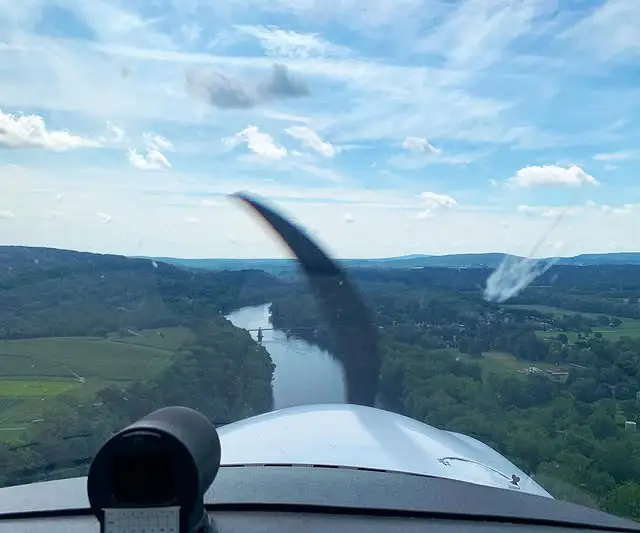
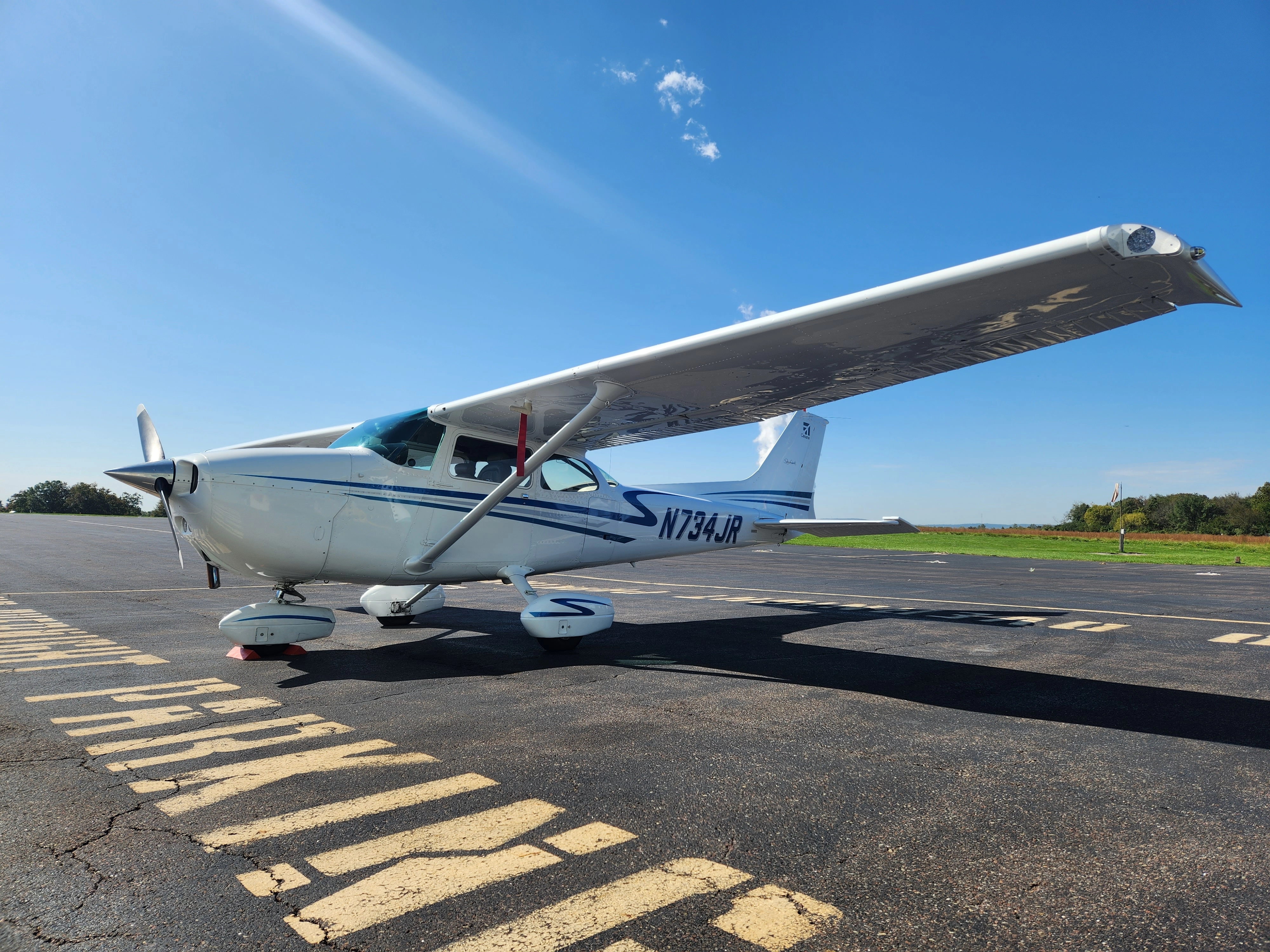
A Pilot's Guide to Flying out of Heritage Field (KPTW)
For pilots in Southeastern Pennsylvania, choosing the right home base airport is a critical decision. It impacts everything from the efficiency of your training to the quality of your flight experience. Located just three miles east of Pottstown, Heritage Field (KPTW) has earned its reputation as a premier destination for heritage field flight training and general aviation.
At Pitcairn Flight Academy, we don’t just operate at KPTW—we are an integral part of its community. We believe that this airport offers a strategic advantage that makes our students better, more confident pilots. This guide breaks down everything you need to know about flying at the Pottstown airport.
Why KPTW is a Strategic Choice for Pilots
Unlike the congested airspace around major metropolitan hubs, Heritage Field provides an ideal balance of real-world experience and training efficiency. This is a key reason why pilots from across Montgomery County, Chester County, and Berks County choose to base their operations here.
1. The Efficiency Advantage: More Flying, Less Waiting
One of the biggest hidden costs in flight training is time spent on the ground. At busy towered airports, it’s common to spend 20-30 minutes of your lesson just taxiing and waiting in line for takeoff. At an uncongested airport like KPTW, you are typically wheels-up within minutes.
This efficiency means every hour in your logbook is packed with valuable training, whether you’re practicing landings, mastering maneuvers, or heading out for cross-country practice. For anyone flying in Montgomery County, PA, this translates to a more cost-effective and less frustrating training journey.
2. A Perfect Training Environment
The KPTW airport is complex enough to be challenging but not so busy that it’s overwhelming. Student pilots can focus on mastering the fundamentals without the high stress of constant commercial traffic. The traffic pattern is active enough to provide real-world practice with radio calls and situational awareness, but manageable enough for a new student on their first solo.
3. Proximity to Diverse Airspace
While KPTW itself is an uncontrolled field, it sits just outside the Philadelphia Class B airspace. This strategic location allows our students to:
- Build a strong foundation in a less stressful environment.
- Easily transition to complex airspace for advanced instrument rating and commercial pilot training.
- Gain experience communicating with Approach and Center controllers.
This progression prepares pilots for the realities of flying in the busy Northeast corridor.
Key Airport Information for Heritage Field (KPTW)
Being prepared is key to a safe and smooth flight. Here are the essential details for operating at KPTW:
- FAA Identifier: PTW
- CTAF/UNICOM Frequency: 122.7 MHz
- Runway: 10/28, 3,371 feet long and 75 feet wide.
- Traffic Pattern Altitude: 1,300 feet MSL.
- Traffic Pattern: Runway 10 uses a left-hand pattern; Runway 28 uses a right-hand pattern to deconflict with traffic from the nearby Pottstown Municipal Airport (N47).
- PAPI: Both runways are equipped with a 2-light PAPI on the left side, providing a 3.00-degree glide path.
A notable landmark is the Limerick Generating Station, located just west of the field. All pattern operations are conducted north of the airport to avoid overflying the power plant.
The Pitcairn Advantage at KPTW
Choosing the right airport is only half the battle; the right flight school makes all the difference. At Pitcairn Flight Academy, we leverage the unique benefits of Heritage Field to provide “Aviation Done Right.”
Our home base at the Pottstown airport allows us to offer a high-efficiency training model that larger schools in congested areas can’t match. As a Part 61 school, we combine this operational efficiency with the flexibility to tailor your training to your schedule and goals.
We are more than just a flight school; we are a community of passionate aviators. Whether you’re a local resident looking to start your private pilot training or a career-focused student aiming for the airlines, we provide the structure, mentorship, and resources you need.
Learn more about our specific programs and what makes flight training in Pottstown, PA the smart choice for your career.
Frequently Asked Questions
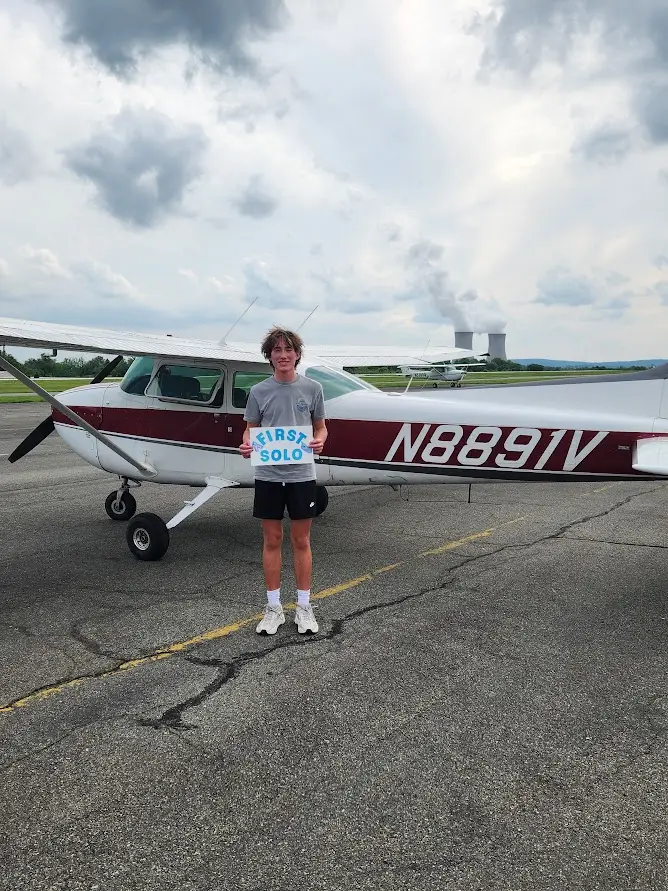
Is KPTW a good place for a first solo? Absolutely. Its uncongested but active pattern provides the perfect environment to build confidence while applying the skills you’ve learned with your instructor.
How far is Heritage Field from Philadelphia? KPTW is located approximately 25 miles northwest of Center City, Philadelphia, making it an accessible and efficient alternative to training at KPHL or KPNE.
Can I rent an aircraft at KPTW? Yes, Pitcairn Flight Academy offers a well-maintained fleet of rental aircraft for qualified pilots, perfect for local flights or cross-country adventures.
Your Journey Starts at Heritage Field
Heritage Field isn’t just a strip of pavement; it’s a launchpad for your aviation dreams. Its unique combination of efficiency, community, and strategic location makes it the ideal place for heritage field flight training.
Ready to experience the difference for yourself? Book a Discovery Flight with us today and see why KPTW is the best place to earn your wings.