What Happens on a Discovery Flight in 2026: Minute by Minute

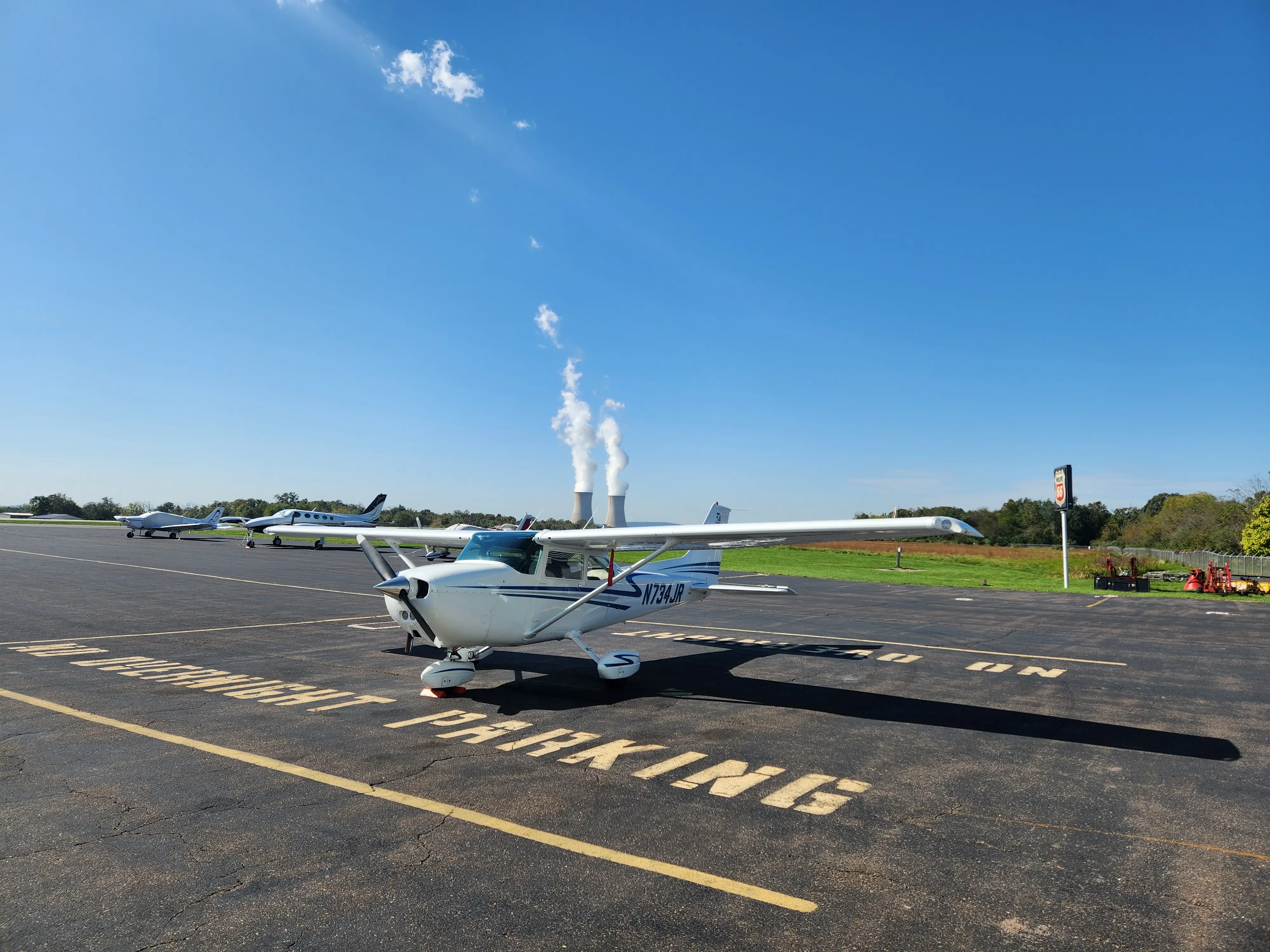
You are strapped into the right-hand seat, the headset is on, and the propeller is still. Then the instructor next to you says, “Ready?” Most people who book a first flight have the same question at that moment: what exactly happens next? If you know the order of the discovery flight, you spend the day enjoying the flight and not bracing for surprises.
This guide covers what to expect on a discovery flight at Pitcairn Flight Academy, from the first walk around the airplane to the last turn onto the ramp. We keep it to the flight itself. For what to bring and wear, use our first flying lesson preparation guide. For the weeks after you sign up for training, read what to expect during your first week of flight lessons.
The short version of your discovery flight
A discovery flight is a real flying lesson with an FAA-certified flight instructor. You walk around the airplane, sit in the pilot seat, ride along while your instructor handles the takeoff, take the controls in the air, and then ride back down while your instructor lands. Then you sit down together and talk about it.
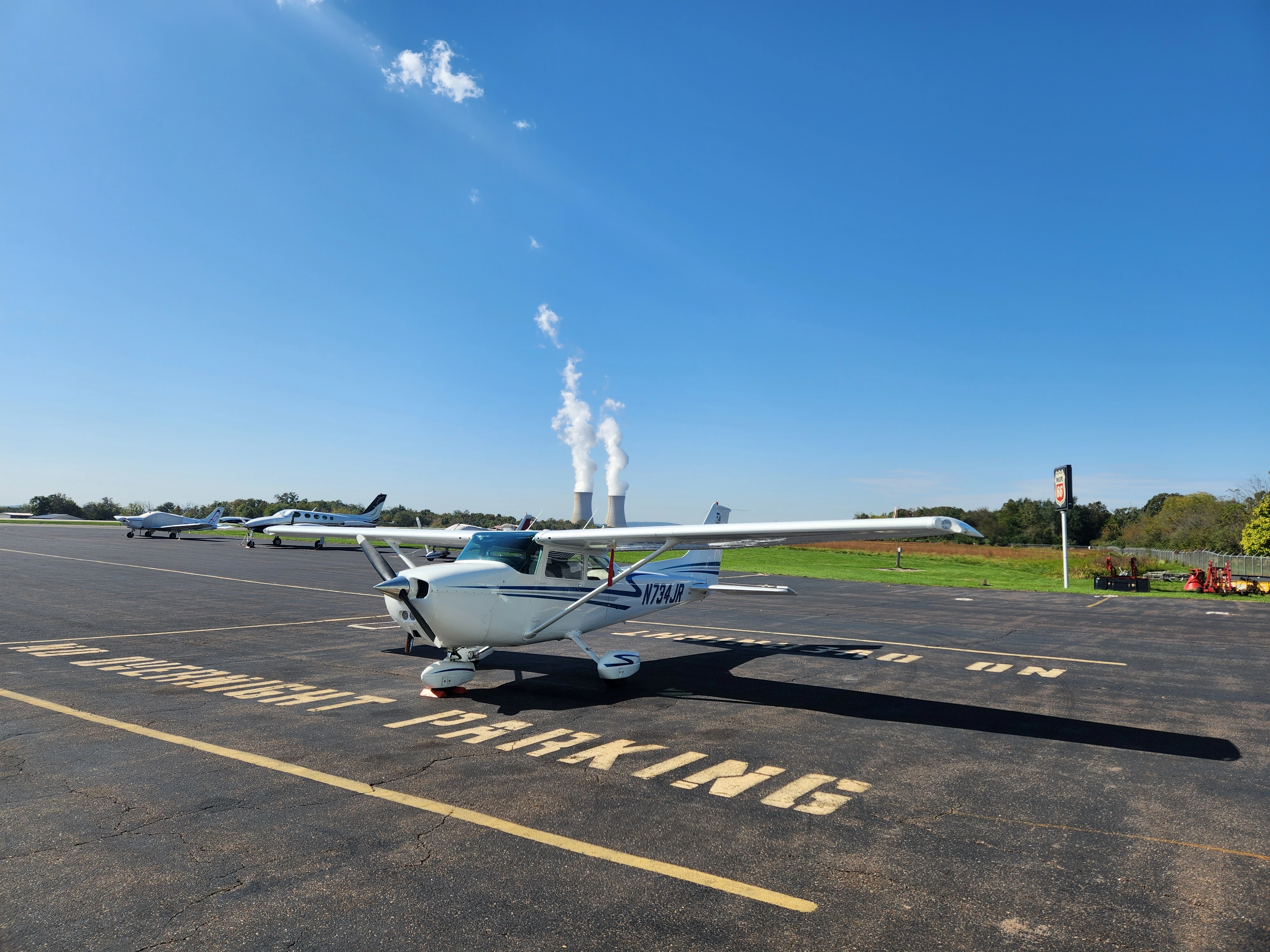
We fly out of Heritage Field Airport (KPTW) in Pottstown, Pennsylvania, and our fleet includes Cessna 152s, Cessna 172s, a Beechcraft Sierra and a Tiger. Think of “minute by minute” as the order of events, not a stopwatch. If you are still deciding where to book, where to do a discovery flight and what it costs covers that side.
Before takeoff: the walkaround that every flight starts with
Every flight begins on the ground, and so does yours. Your instructor meets you, talks through the plan for the day and checks the weather. If the weather is not right, we reschedule, because a safe flight comes before a scheduled flight.
Then you head to the airplane. Your instructor, who is the pilot in command, does the preflight walkaround: checking the fuel, the oil, the flight controls and the general condition of the aircraft. You walk with them. Pilots do this before every flight, and as a discovery flight student you get to see why. Watching those checks, you quickly see that flying is built on checking things first.
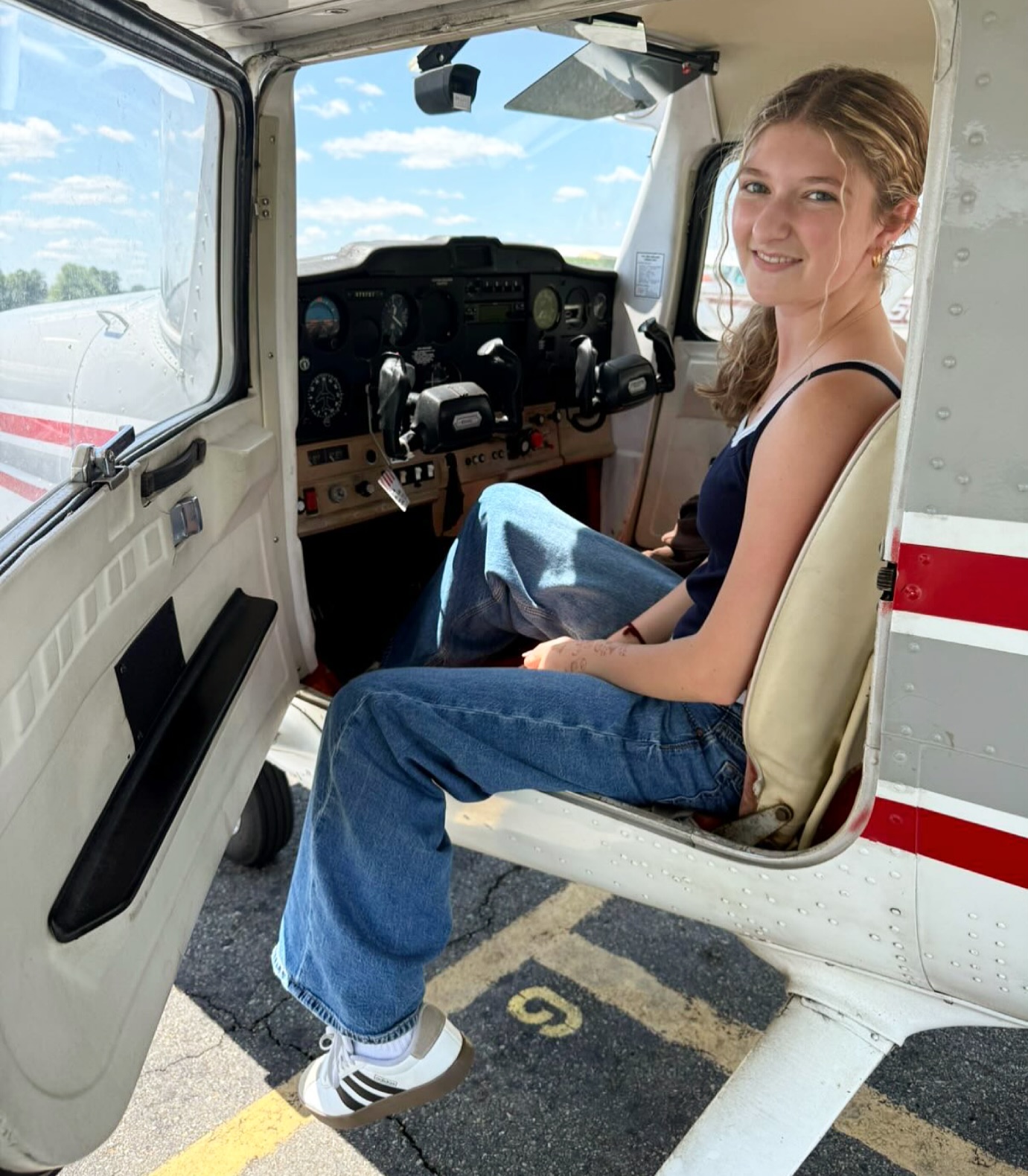
Your instructor will also show you the cockpit. The seat adjusts, the seat belt clicks, the headset goes on, and you learn what the main instruments are telling you. Ask questions here. You are not expected to know any of it yet.
If you bring a guest, a friend or family member may ride in the rear seat of our four-seat Cessna 172, subject to weight and balance limits and your instructor’s approval. They get a front-row view of your first aviation adventure and plenty of photo chances.
Taxi and takeoff: the part your instructor flies
After engine start, the airplane rolls toward the runway. This is taxiing, and your instructor handles the steering, the radio and the checks. You listen on the headset and watch how a pilot makes small, steady corrections.
Before the runway, your instructor runs the pre-takeoff checks and explains what each one is for. Then comes the runway.
Your instructor flies the takeoff. The engine rises to full power, the airplane accelerates down the pavement, and the nose lifts as the wheels leave the ground. Then the ground drops away. It is one of the most memorable moments of the day, and you can simply take it in.
If you want to understand why we like our home field for this, our pilot’s guide to flying out of Heritage Field explains how a small airport near Philadelphia keeps your lesson focused on flying instead of waiting.
The climb: where you meet the airplane
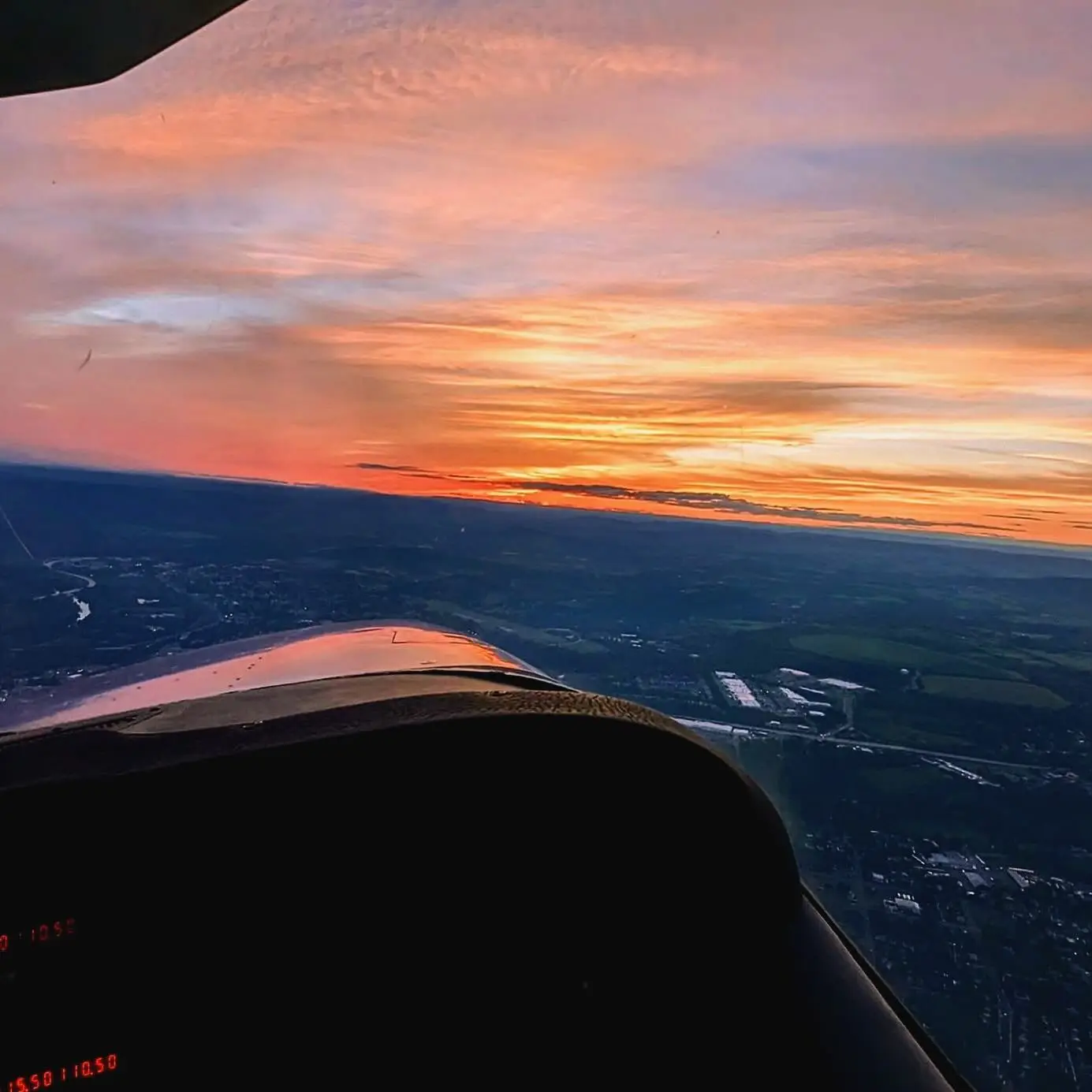
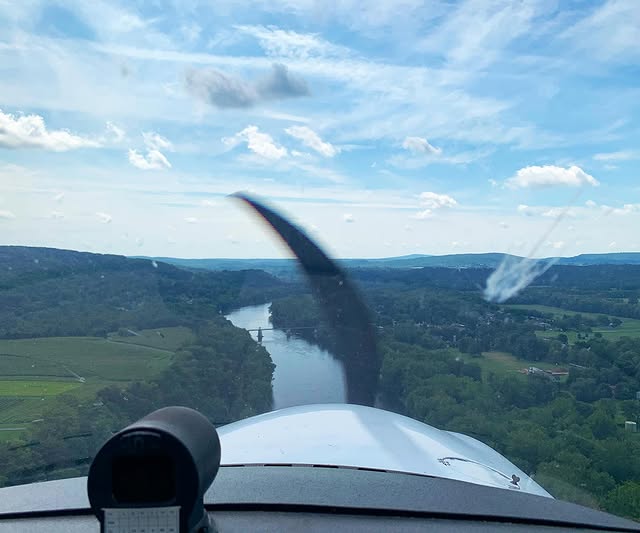
Once the airplane settles into a climb, your instructor levels off at a safe working altitude and starts talking you through what you see: the controls, the horizon, the landmarks below. Southeastern Pennsylvania looks very different from the air than it does from the road, and you pick out highways, farms and river bends.
This is also where you learn the basics of how the airplane moves. Your instructor explains the yoke, the wheel in front of you, and the rudder pedals at your feet. The yoke tilts the wings and pitches the nose. The pedals keep the airplane pointed straight. You do not need to memorize any of this. You will feel it in a minute.
If you are curious about how weather shapes a typical lesson day, understanding weather and its impact on flight training gives you the plain-English background.
Taking the controls: your first minutes as the pilot
This is the part you came for. Once you reach a safe altitude, your instructor hands over the controls. The phrase is short and exact: “You have the controls.” You repeat it back, and the airplane is yours to fly, with your instructor beside you and ready to help.
Here is what you do with it:
- Straight and level. You hold the nose on the horizon. It feels like a game of tiny adjustments, and it is harder than it looks, which is why instructors love teaching it.
- Gentle turns. A small tilt of the yoke banks the wings, and the airplane turns. You roll back out and level.
- Climbs and descents. A little back pressure raises the nose, and a little forward pressure lowers it. The airplane answers you right away.
Your instructor guides you through each one by voice and stays ready to help. You will make mistakes, and that is part of the lesson, so a wobbly first turn is normal.
This is where the discovery flight stops being a ride. The FAA’s Airplane Flying Handbook covers flight maneuvers like these in detail, and you just flew them.
When you want to see how this first step compares with signing up for full training, our comparison of private pilot lessons vs. discovery flights lays it out.
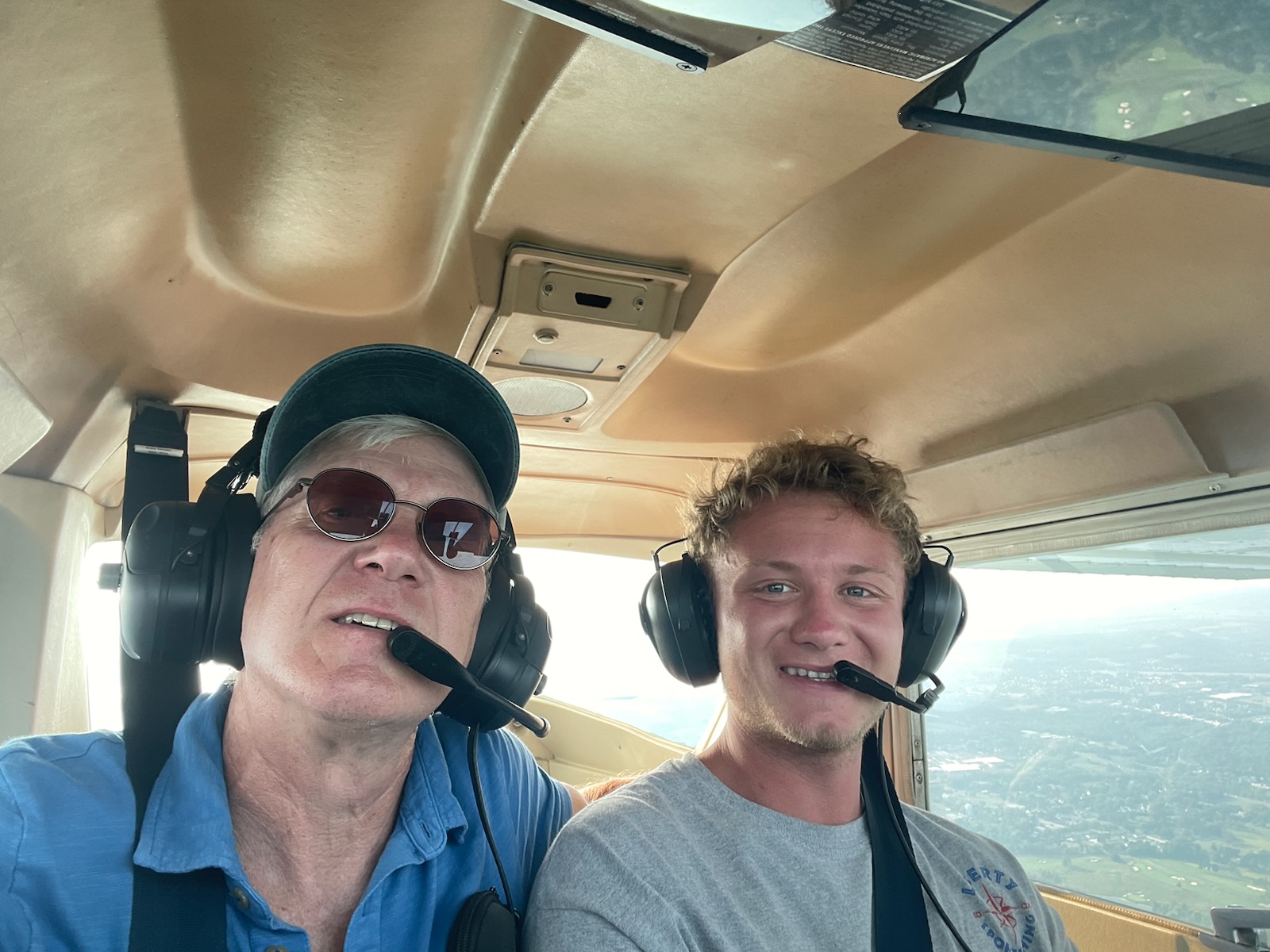
The return: heading back to Heritage Field
Eventually your instructor takes the controls back, and you turn toward the airport. Now you watch how the approach works. The airplane descends, the runway grows in the windshield, and your instructor makes the radio calls and the adjustments that lead to the landing.
Your instructor handles the landing. You feel the main wheels touch, the nose settle, and the airplane slow to a walking pace. Then you taxi back to the ramp, shut the engine down and take the headset off. Take a moment on the ramp. Most first-time flyers are grinning without meaning to.
If you want a longer look at the skill behind a smooth touchdown, read the art of perfect landings.
After landing: the debrief and your logbook
You sit down with your instructor and debrief: what went well, what felt strange, and what you want to ask about. This is when people ask about the private pilot certificate, how often to fly, and how the training steps fit together. If you decide to keep going, your instructor helps you plan the next step.
Flight time with an FAA-certified instructor can be logged, and logged time can count toward the flight time requirements for your private pilot certificate. We give you a logbook entry for your flight, so your first flight is on paper from day one.
On cost, we operate primarily pay as you go, and financing options are available if you move on to full training. Contact us and we will walk you through the current details.
Frequently Asked Questions
Do I need a pilot certificate or a medical to take a discovery flight?
No. The FAA says you do not need a student pilot certificate or a medical certificate just to take lessons with an instructor. Those come into play before you fly solo. The FAA explains the steps on its student pilot certificate page. For questions about medical eligibility, talk to an Aviation Medical Examiner.
Do I really fly the airplane myself?
Yes. Once you reach a safe altitude, your instructor hands you the controls, and you fly straight and level, make gentle turns, and climb and descend. Your instructor handles the takeoff and the landing and stays with you the whole time.
Can I bring a friend or family member?
In our four-seat Cessna 172, a friend or family member may join you in the rear seat, subject to weight and balance limits and your instructor’s approval. Contact us when you book so we can plan the flight around your group.
What if the weather is bad on my flight day?
Your instructor makes the call on whether conditions are right for a flight, and when they are not, we reschedule. A discovery flight is a real lesson, so flying only when the weather is suitable is part of the lesson too.
Does my discovery flight count toward a pilot certificate?
Flight time with an FAA-certified flight instructor can be logged, and it can count toward the flight time requirements for a private pilot certificate. We give you a logbook entry after your flight.
How much does a discovery flight cost?
Prices vary, and our cost guide explains what to compare. Contact us to confirm current rates.
Book your discovery flight at Heritage Field
You now know the order of events: walkaround, taxi, takeoff, your turn at the controls, landing and a debrief. Pick a date, tell us your goal, whether that is fun, a gift for a future pilot or a first step toward a career, and our team takes it from there. Visit our discovery flight page to book your first flight.