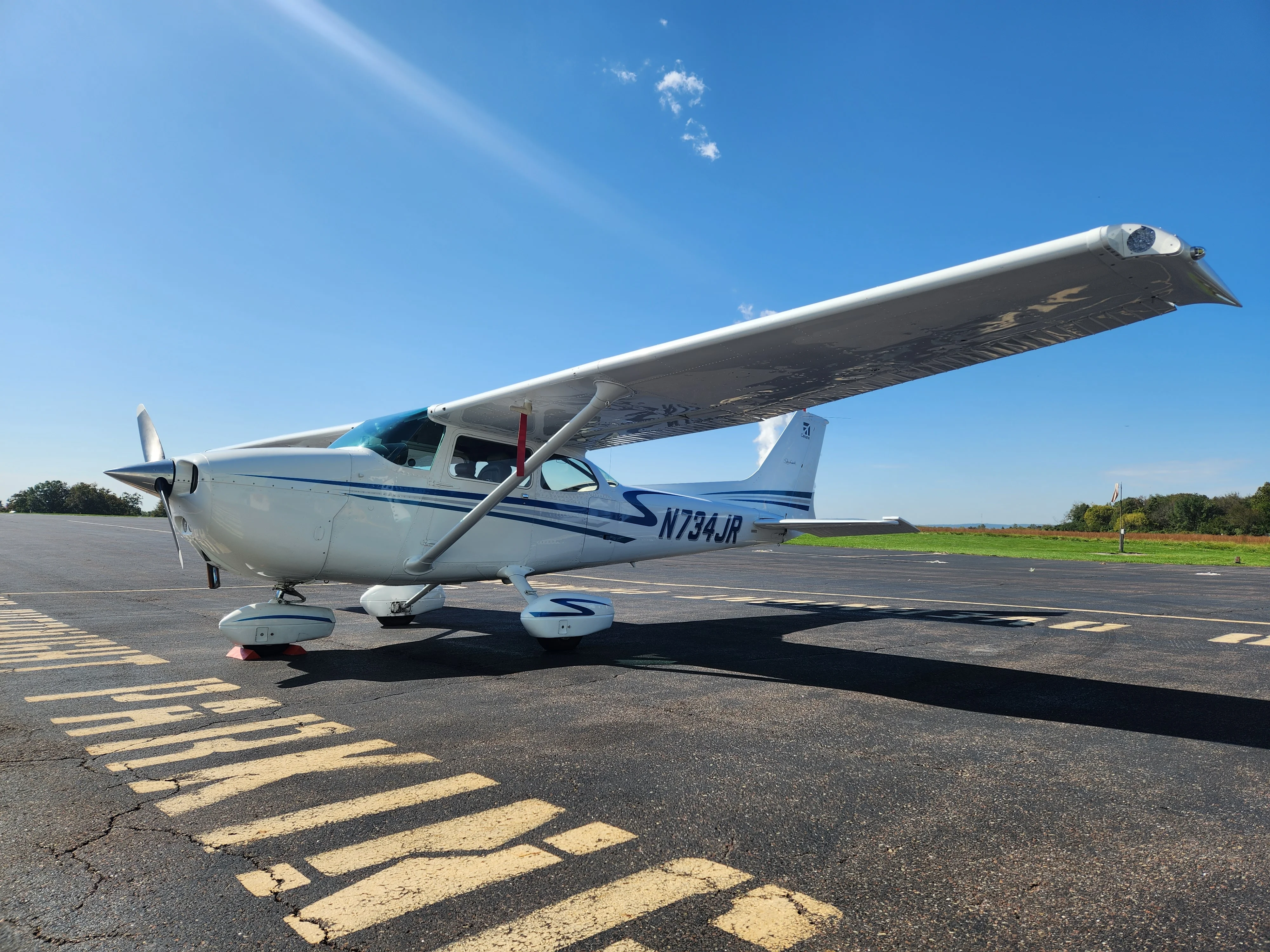
Step-by-Step Guide: How to Prepare for Your First Flying Lesson
Taking your first flying lesson is an unforgettable milestone. Whether you have dreamed of becoming a commercial airline pilot or simply want to experience the freedom of flying over Pennsylvania, knowing how to prepare ensures you feel confident and ready to take the controls.
Pillar Guide: Planning your aviation roadmap? Explore our comprehensive Philadelphia Flight Academy Guide and the Complete Guide to Becoming a Pilot in Pennsylvania.
Here is your step-by-step guide to preparing for your introductory flying lesson at Pitcairn Flight Academy.
1. What to Expect Before Takeoff
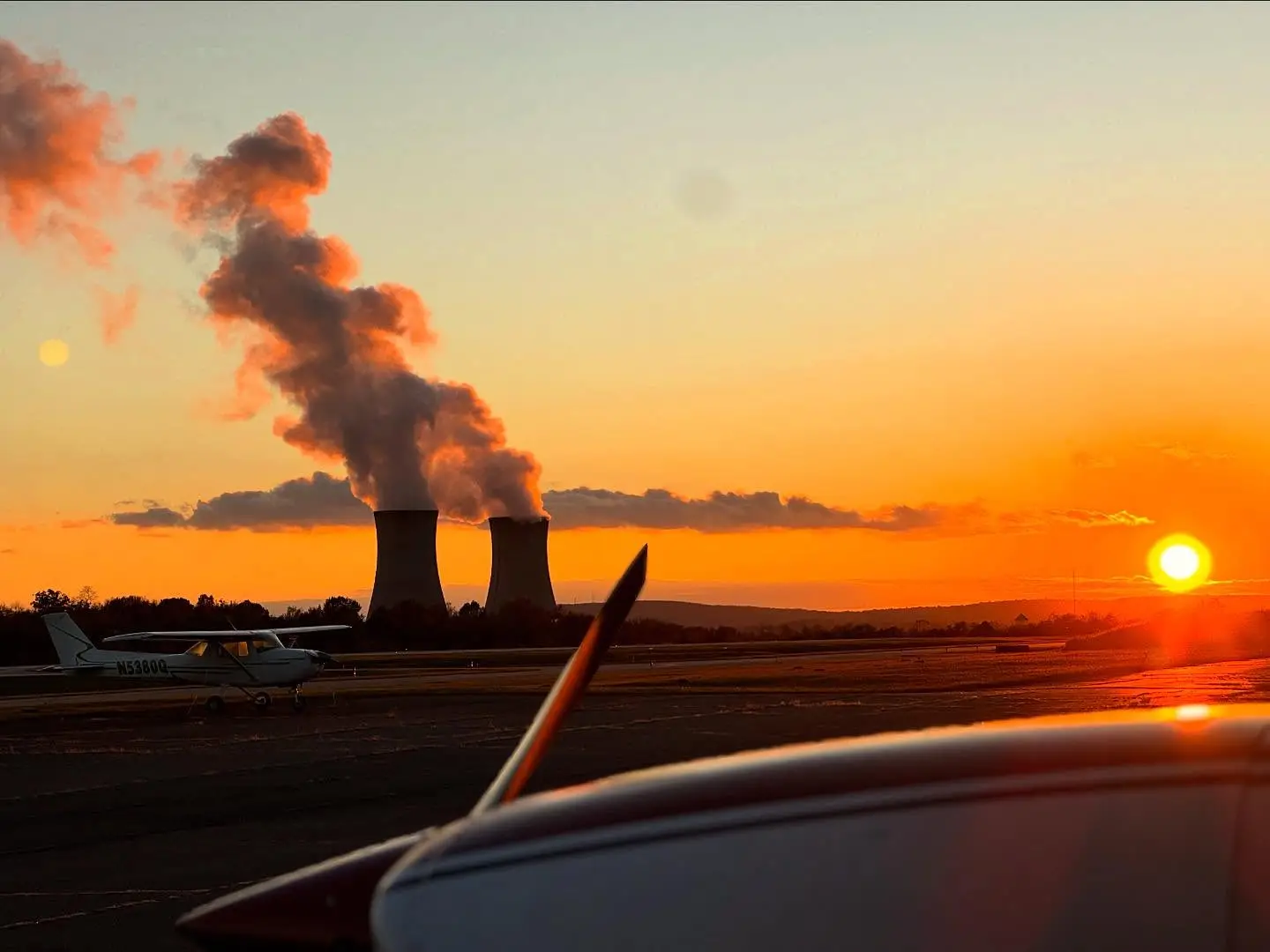
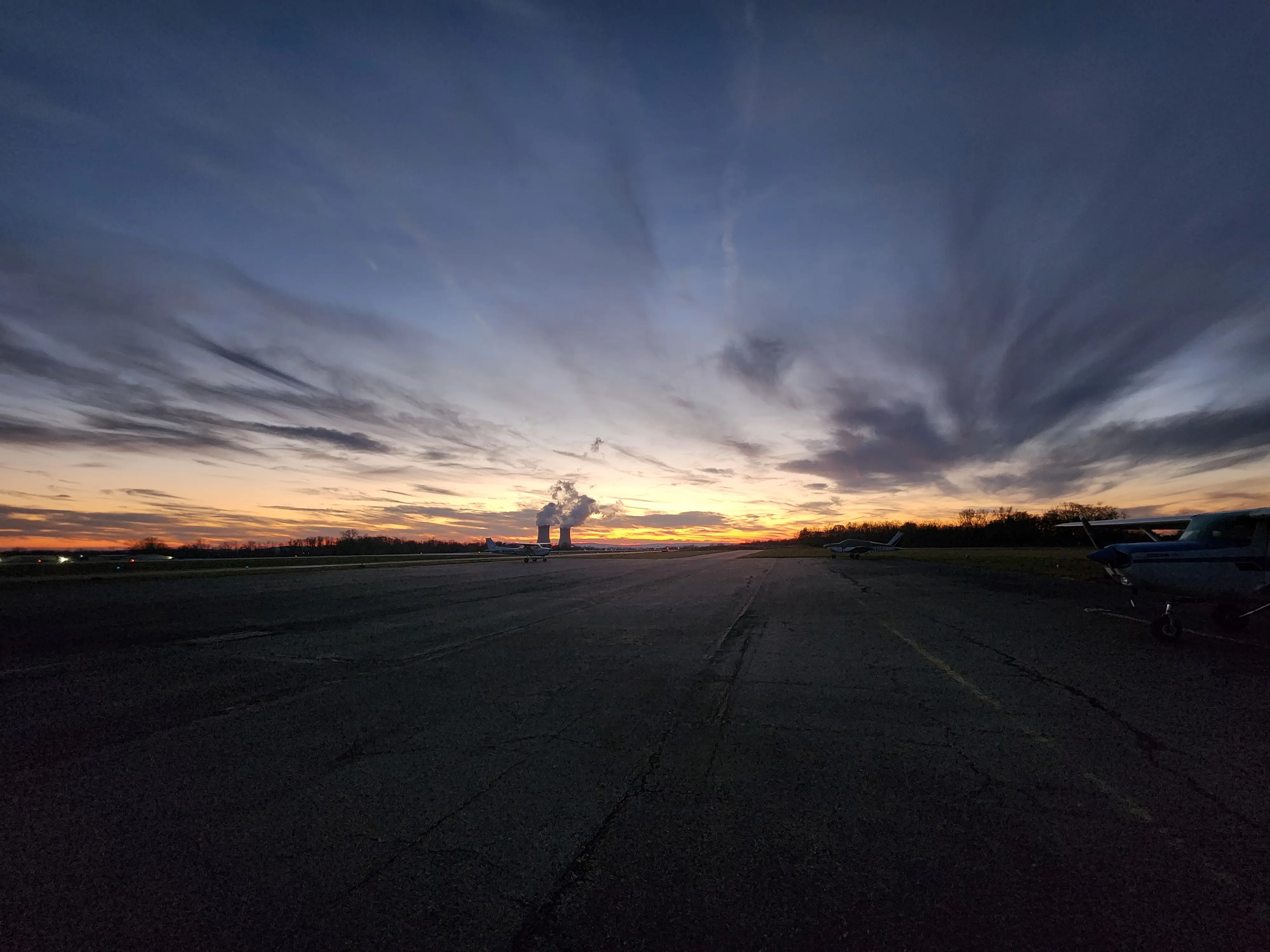
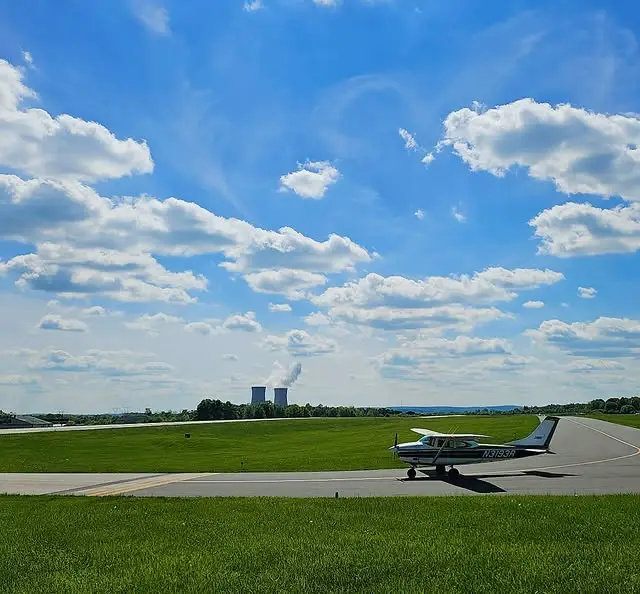
Your flight lesson begins on the ramp at Heritage Field Airport (KPTW) with your FAA-certified flight instructor:
- Preflight Briefing: You and your instructor will review the day’s weather, flight plan, and safety procedures.
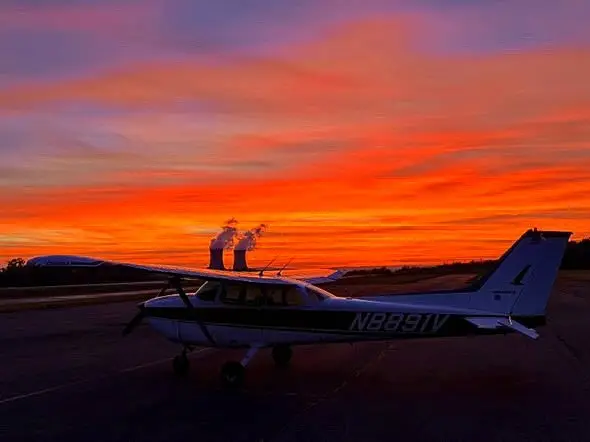
- Aircraft Inspection: You’ll walk around the aircraft (such as our Cessna 172 or Cessna 152), checking fuel levels, flight controls, engine oil, and overall airworthiness.
- Cockpit Familiarization: Your instructor will guide you through the instrument panel, headset controls, and seat adjustments before engine startup.
To learn why training at our uncongested airport saves you time and money, read our Pilot’s Guide to Flying out of Heritage Field (KPTW) and see the benefits of learning in uncongested airspace.
2. What to Bring to Your First Flight Lesson
Keep it simple and comfortable:
- Government-Issued Photo ID: Required for airport security and logbook entries.
- Sunglasses & Sunscreen: Cockpit visibility is bright, especially during high-altitude maneuvers.
- Comfortable Clothing & Flat Shoes: Wear breathable layers and non-bulky closed-toe shoes so you can easily operate the rudder pedals.
- A Notebook or Flight Logbook: If you decide to continue pilot training, your instructor can officially log this introductory flight time toward your Private Pilot License.
Curious about total training investment? Review our guide on how much flying lessons cost in Pottstown, PA.
3. In-Flight: Taking the Controls
Once airborne, your flight instructor will hand over the controls to you:
- You will practice straight-and-level flight, gentle turns, climbs, and descents.
- You’ll experience how responsive the yoke and rudder pedals are to light control inputs.
- Your instructor will manage radio communications with air traffic control and perform the landing.
- You will begin discovering the foundations of Aeronautical Decision Making (ADM) and essential airmanship habits.
Read more about how introductory flights fit into full training in our comparison of Private Pilot Lessons vs. Discovery Flights.
4. Post-Flight Debrief and Next Steps
After landing, you’ll sit down with your CFI for a debrief:
- Discuss how the aircraft handled and answer any questions about the flight.
- Review your training progression, Part 61 scheduling flexibility, and flight school costs.
- Map out what comes next with our breakdown of what to expect during your first week of flight lessons.
Ready to take your first lesson? Visit our introductory flying lessons page to schedule your flight today, or enroll at Pitcairn Flight Academy to launch your pilot journey!