After Your Discovery Flight: 5 Next Steps Toward a Private Pilot Certificate in 2026
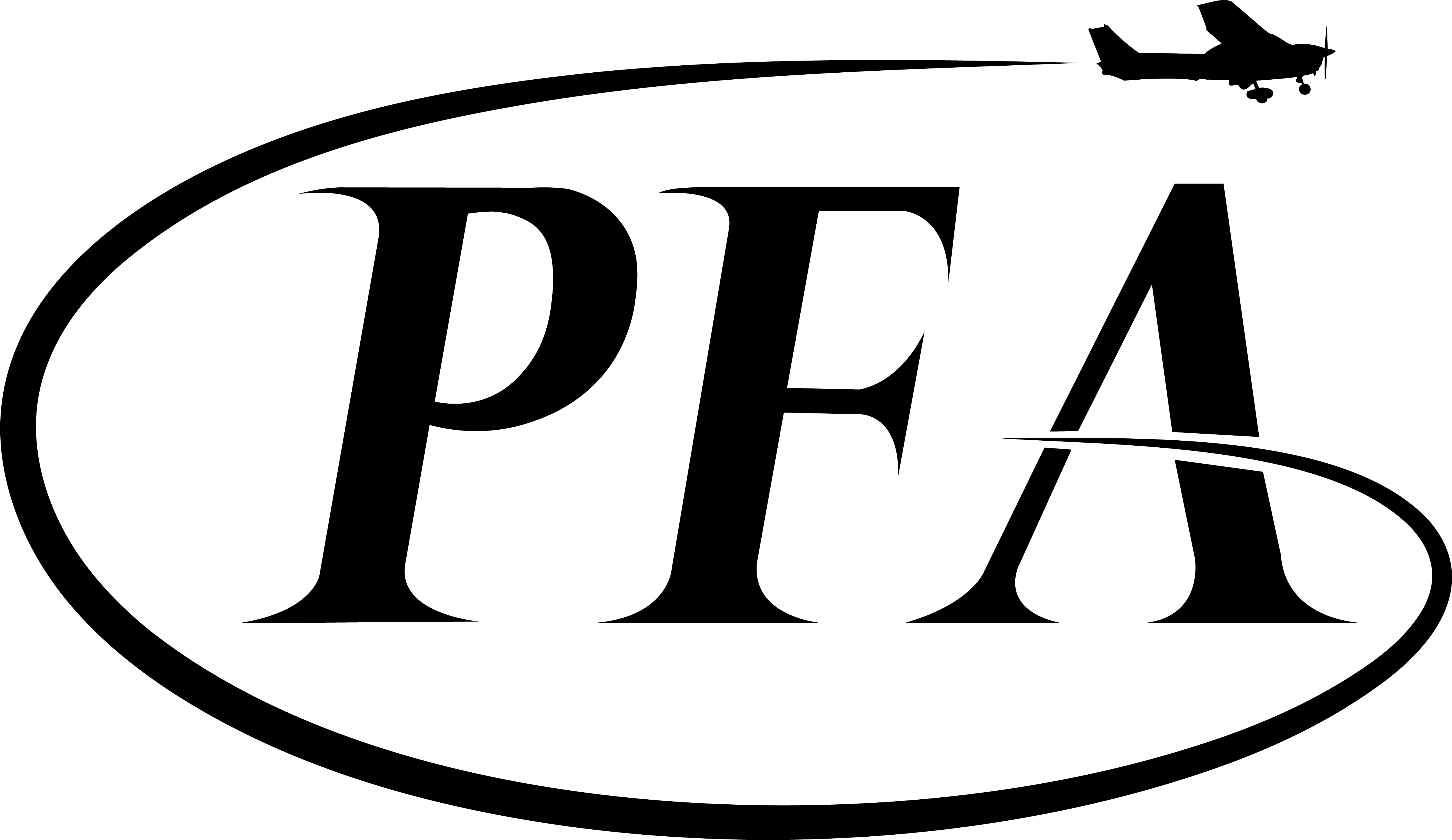
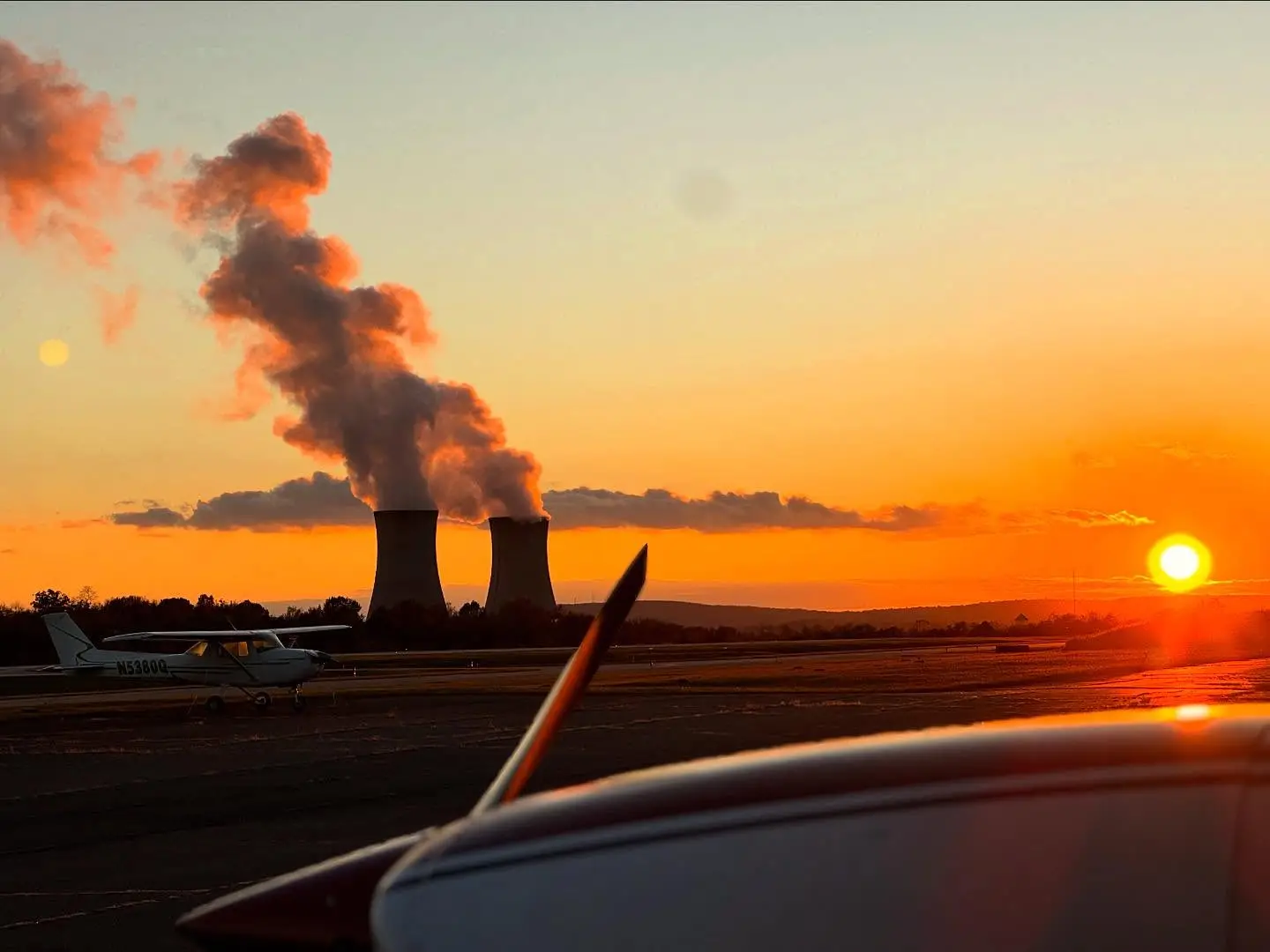
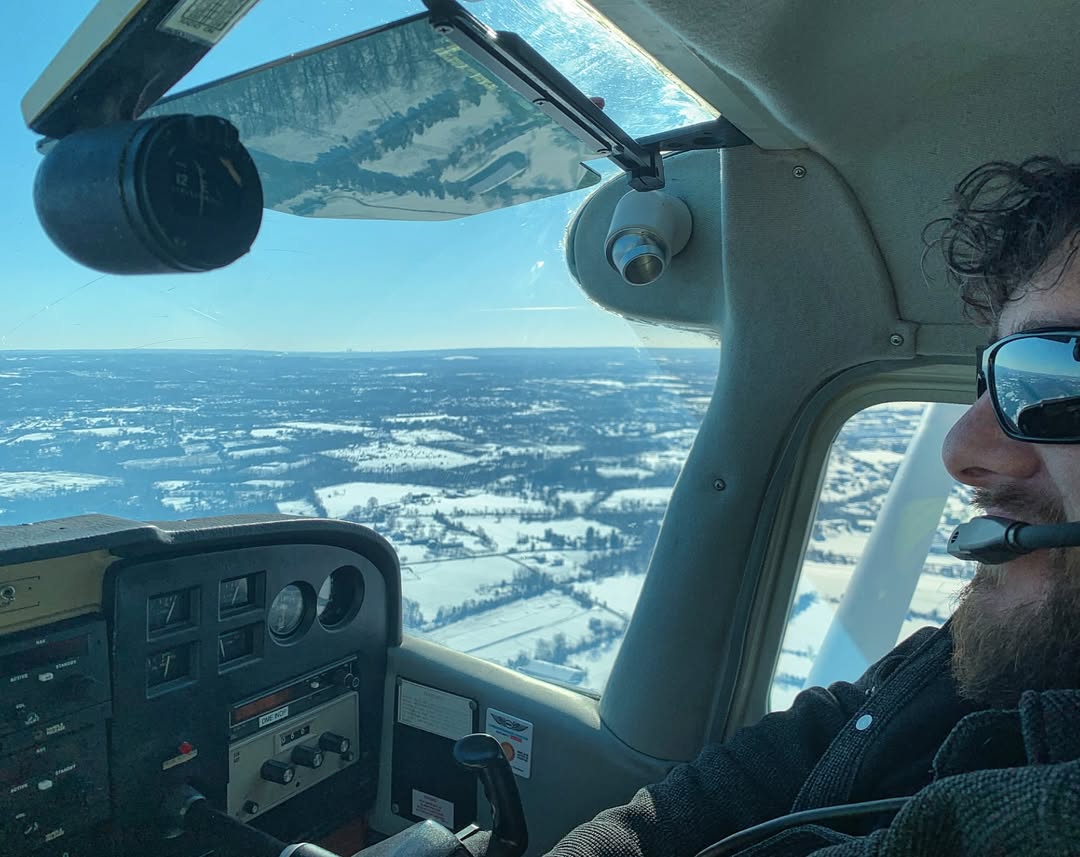
You step out of the airplane, hand back the headset, and the grin does not fade on the drive home. Then the practical question shows up: what do I do after a discovery flight? The excitement is real, but it will not file paperwork, book lessons or plan a budget for you. A few clear steps will.
This guide walks through five next steps toward a private pilot certificate, in the order that protects your time and money. If you want to relive the flight first, read what happens on a discovery flight, minute by minute. If you are still weighing a one-off flight against full training, our private pilot lessons vs. discovery flights comparison covers that choice. Here we assume you want to know how to become a private pilot and what to do next.
Step 1: Decide what you want from flying
Give yourself a few days, then answer one question honestly: why do you want to fly? Some people want a hobby that gets them above the Pottstown countryside on weekends. Others want to carry family and friends to new places. Others are testing a career path. The certificate you are working toward, the private pilot certificate, allows noncommercial flying and passengers, subject to the aircraft ratings, endorsements, operating rules and medical eligibility that apply. It is the first major certificate for almost every route that follows.
Your answer shapes how you train. A hobby pilot can fly at a relaxed rhythm. A career-minded student usually wants a steady schedule and a clear view of the steps after private, from instrument rating to commercial pilot training.
Also notice how the flight felt. Did you want to keep the controls longer, or did you spend the flight wishing you could be somewhere else? If you walked away wanting more, that is your clearest signal. If you are on the fence, a second flight costs far less than a half-finished course. Our private pilot training page lays out what the full program looks like so you can picture the road before you commit.
Step 2: Get your medical answer before you spend on lessons
Many new students skip this step, and it is worth doing early. You do not need a student pilot certificate or a medical certificate just to take lessons with an instructor. But for most airplane training you need a medical certificate before you fly solo. A third-class medical is sufficient for a student pilot.
Medical certificates are issued by Aviation Medical Examiners (AMEs), who use the FAA’s MedXPress system. The FAA lists the process on its medical certification page. Getting this done early means you learn the answer before you have invested heavily in training, which is the whole point.
We cannot tell you whether a condition or medication affects your eligibility, and neither can an article. That decision belongs to an AME. If you have any question about your health history, talk to an examiner first and plan from their answer. For everything else about getting started, our first flying lesson preparation guide covers what to bring and what to expect.
Step 3: Learn what the student pilot certificate is, and when you need it
The student pilot certificate is the FAA credential that lets you fly solo. The FAA says you do not need it just to take flying lessons, but you do need it before your first solo flight. To be eligible for an airplane student certificate you generally must be at least 16 years old and be able to read, speak, write and understand English. The FAA explains the basics on its student pilot certificate page.
You do not have to rush this on day one. Plan to handle it together with your medical, so both are in place when your instructor decides you are ready for solo. Your instructor can guide you through what the application involves. Solo day is a big milestone, and our first solo flight guide shows what leads up to it.
Step 4: Book your first lessons and build a rhythm
Your first lessons are where a discovery flight turns into training. Expect a mix of flight instruction and ground instruction as you learn the basics of control, the traffic pattern and radio communication. Our guide to what to expect during your first week of flight lessons walks through that early stretch.
Your discovery flight is not wasted time. Flight time with an FAA-certified flight instructor can be logged and can count toward your private pilot certificate. We explain the rule in does a discovery flight count toward your pilot license.
What matters most now is consistency. Regular lessons keep skills fresh, so you spend your money moving forward and not relearning what you already knew. Long gaps make students repeat material. If you can set a recurring day and time, do it. You will also want to pick up ground study alongside the flying. We offer ground school and exam prep, and the FAA knowledge test and practical test are both part of the road to the certificate. Contact us and we can help you map out a first month that fits your calendar.
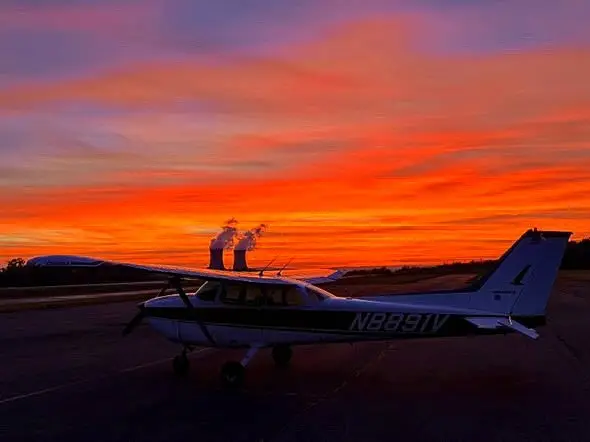
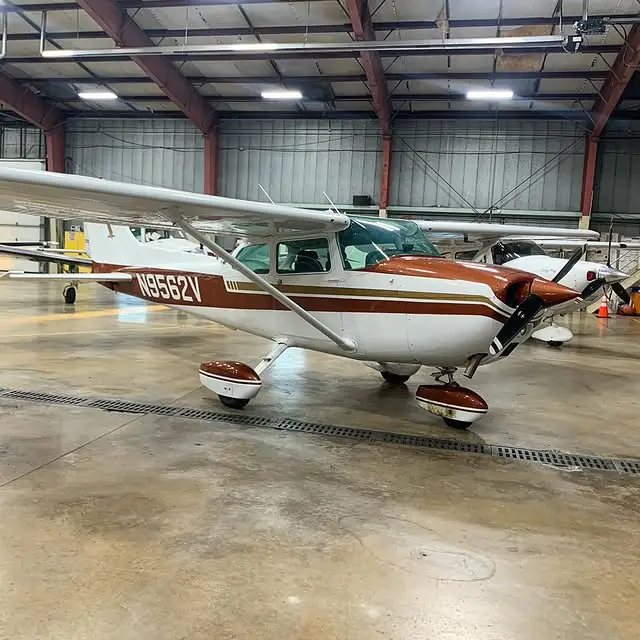
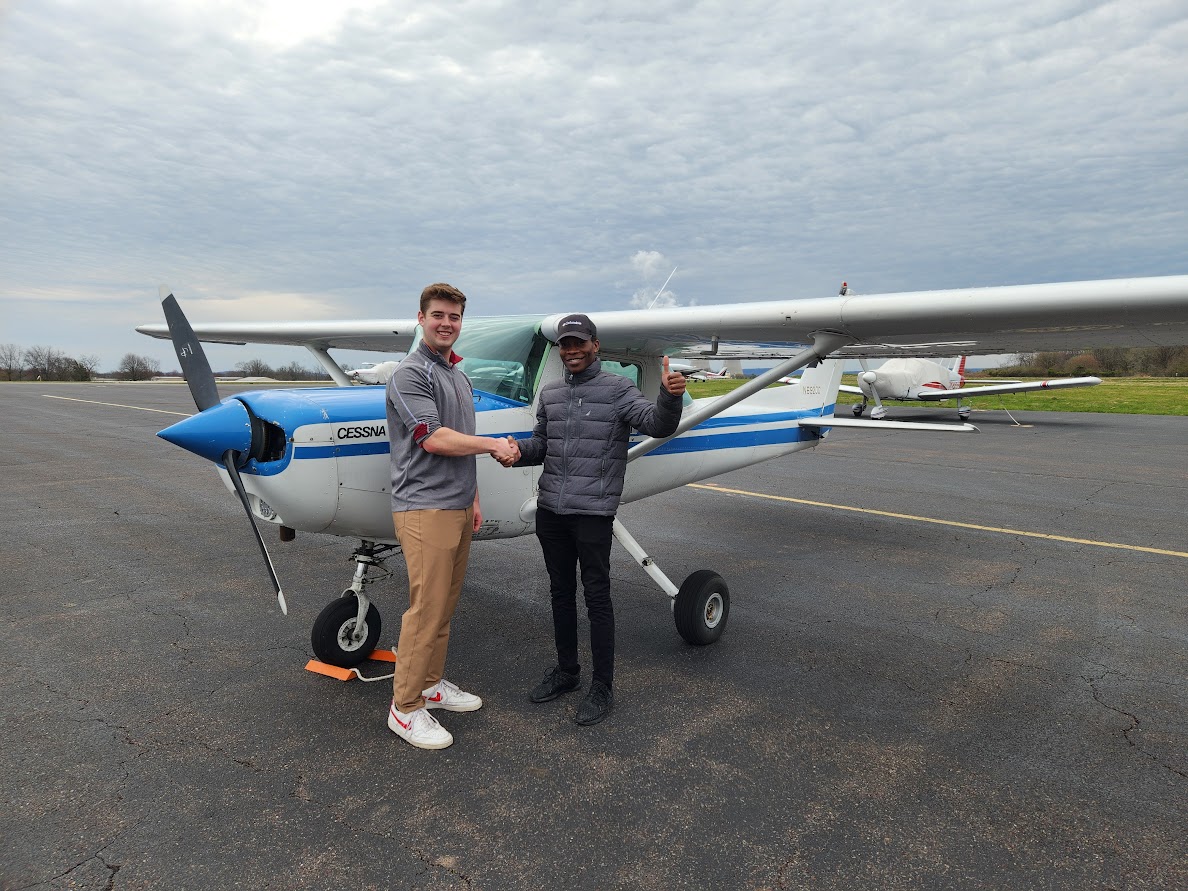
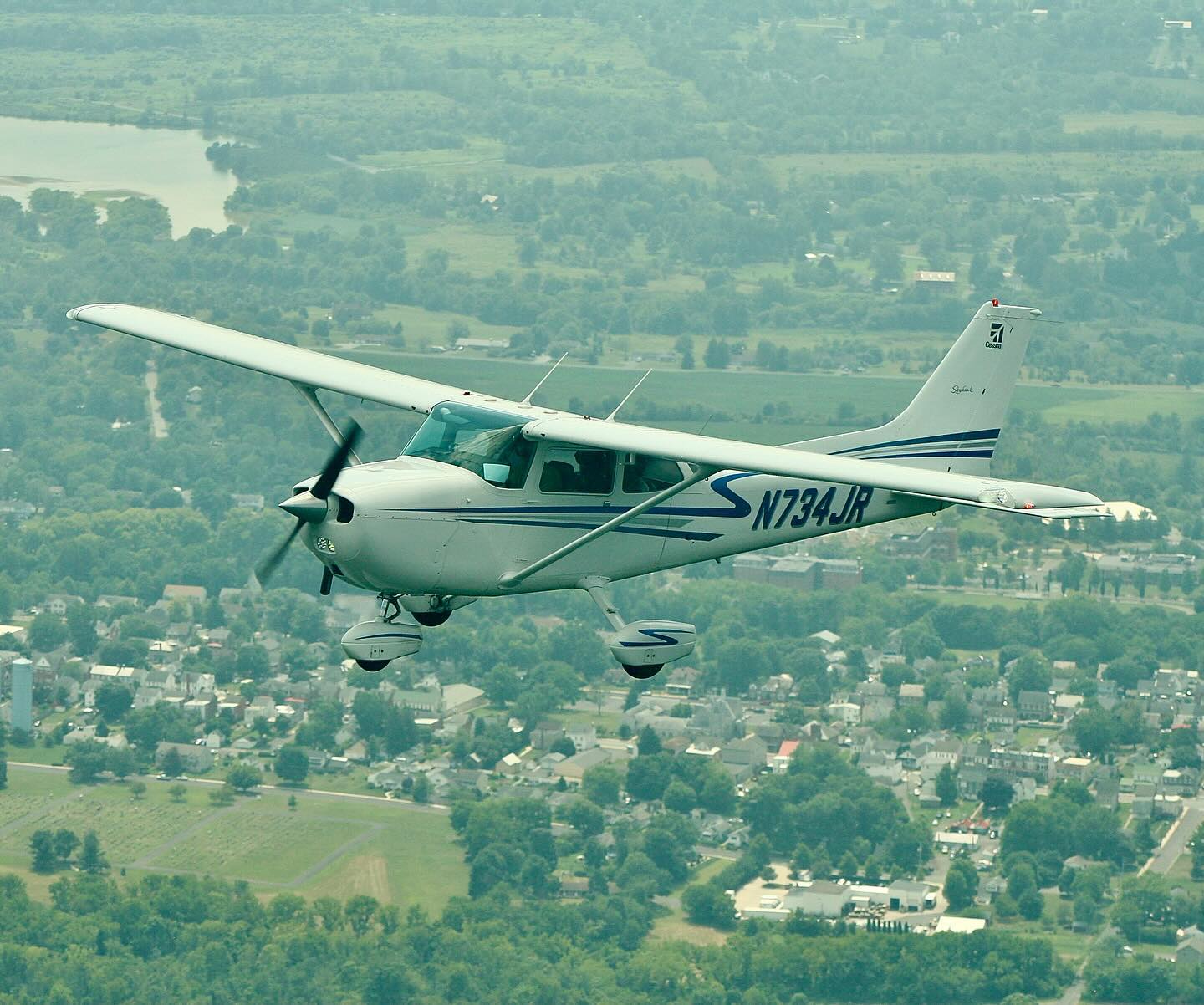
We fly out of Heritage Field Airport (KPTW) in Pottstown, where uncongested airspace means more time flying and less time waiting. Our fleet includes Cessna 152s, Cessna 172s, a Beechcraft Sierra and a Tiger.
Step 5: Build a budget and a pace you can keep
Training cost depends on how you pay and how you pace, so plan both. The pieces of a private pilot budget are consistent no matter where you train:
- Aircraft time and instructor time for each lesson
- Ground school and test preparation, plus books and supplies
- A headset and other flying gear
- The FAA knowledge test fee
- The practical test (checkride) and examiner fee
- Your medical exam
Prices change, so we do not print a number here that could age badly. For current rates, contact us and we will go through a realistic estimate with you. Our flying lesson cost guide for Pottstown breaks down the pieces in more detail.
We operate primarily pay as you go, so you pay for aircraft and instructor time as you complete each lesson. We also accept block time deposits. Financing options may be available to qualified applicants, so if cash flow is your worry, contact us about them early.
As for the minimum, the FAA sets a floor. Under Part 61, an airplane single-engine applicant needs at least 40 hours of flight time, including at least 20 hours of flight training with an authorized instructor and 10 hours of solo flight training. Those are minimums, and other requirements apply. Your own total depends on how you learn, how often you fly and the weather, so build your budget around a pace you can keep and not around the smallest possible number.
Your first 30 days at a glance
If it helps to see the steps in one place, use this table to plan the weeks after your flight.
| Step | What to do | Where we can help |
|---|---|---|
| 1. Decide | Name your goal and how much flying you want | Private Pilot Certificate program overview |
| 2. Medical | See an AME and get your medical answer | Our first lesson preparation guide |
| 3. Student certificate | Learn the age, language and solo requirements | Your instructor can guide you through it |
| 4. First lessons | Set a regular day and time to fly | Enroll at Pitcairn Flight Academy |
| 5. Budget | List costs, choose pay as you go or financing | Contact us for current rates |
Students sometimes lose momentum between the flight and the first lesson. Our post on why most student pilots drop out is worth a read, because the gap you leave now is easier to close than the gap you leave later.
Frequently Asked Questions
What should I do right after a discovery flight?
Write down how you felt and what you want from flying, then take the next practical steps in order: check your medical eligibility with an AME, learn about the student pilot certificate, and book your first lessons. Starting with the medical protects you from spending on training before you know the answer.
Do I need a medical certificate before I take more lessons?
No. You do not need a medical certificate or a student pilot certificate just to take lessons with an instructor. For most airplane training you need a medical before you fly solo. Many students get it early so there are no surprises later.
When do I need a student pilot certificate?
You need it before your first solo flight, not before lessons. For an airplane you generally must be at least 16 years old and be able to read, speak, write and understand English. Your instructor can guide you through the next move.
How many hours do I need to become a private pilot?
Under Part 61, an airplane single-engine applicant needs at least 40 hours of flight time, including at least 20 hours of flight training with an authorized instructor and 10 hours of solo. These are minimums, and your total will depend on your training.
Will my discovery flight count toward my private pilot certificate?
Flight time with an FAA-certified flight instructor can be logged and can count toward your private pilot certificate, as long as it is recorded the way the FAA requires. Our post on logbook credit explains the rule.
How can I pay for flight training?
We operate primarily pay as you go, and we also accept block time deposits. Financing options may be available to qualified applicants. Contact us to talk through what fits your situation.
Ready to plan your first lessons?
You have the flight behind you and five steps ahead. Contact us and we will help you choose a goal, a pace and a first month of lessons at Heritage Field. Visit our contact page to take the next step.