Does a Discovery Flight Count Toward Your Pilot License? (2026)
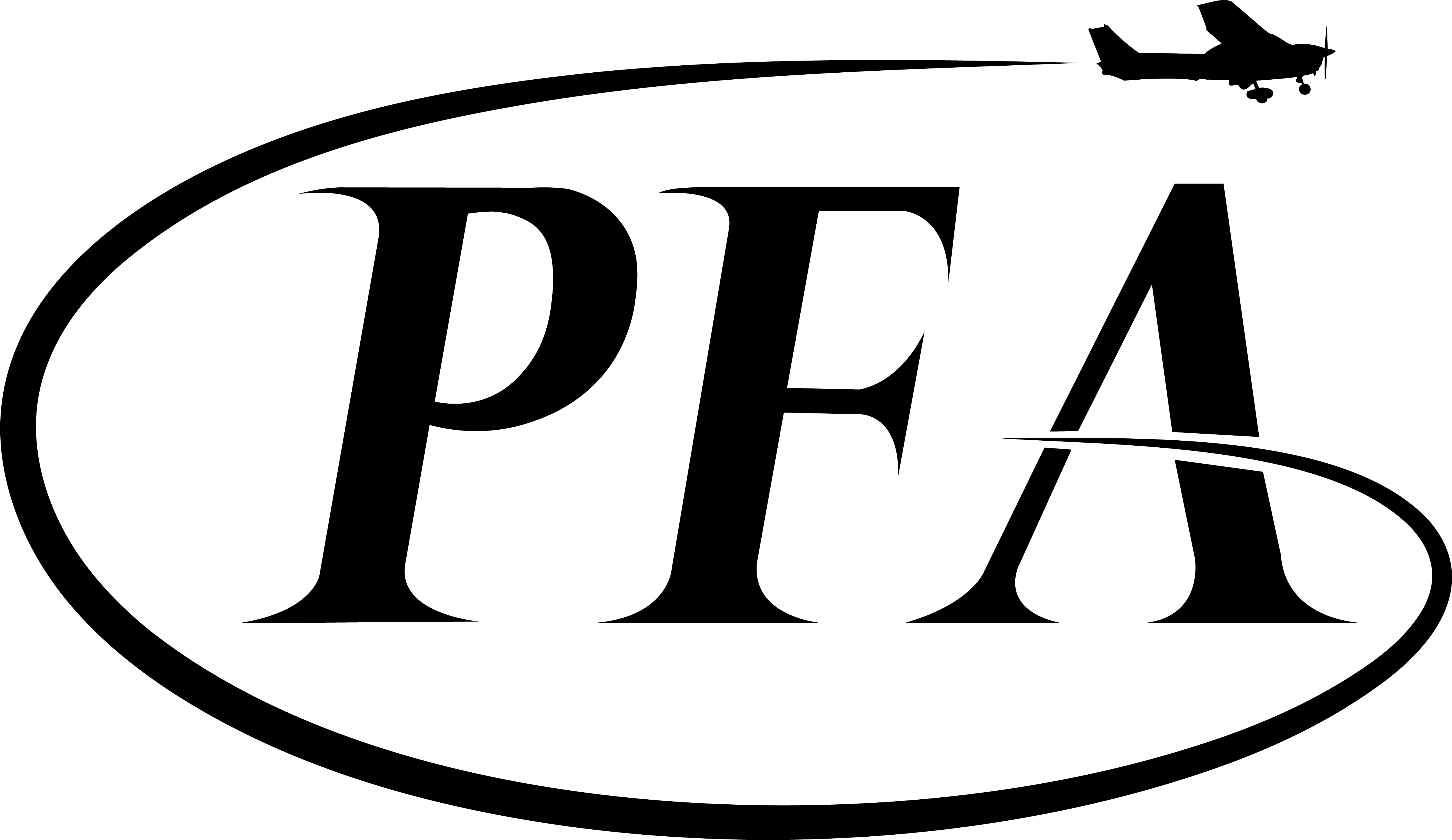
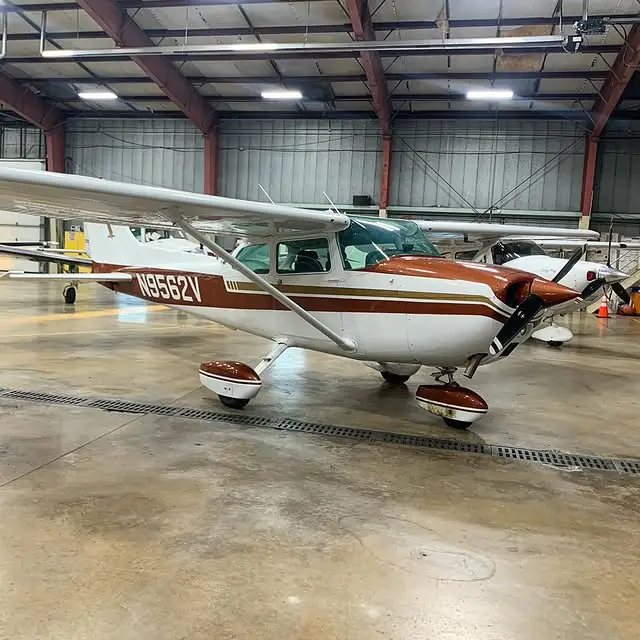
You came down off a first flight with a grin and a question. Was that a fun ride, or was it the first real entry in a pilot’s logbook? The answer matters because flight hours cost money, and nobody wants to repeat time they could have counted. The short answer is that a discovery flight can count toward your private pilot certificate, as long as the time is logged the way FAA rules require.
This guide goes past the one-line answer. We cover the rule behind logging, what a proper entry includes, how the time fits into the 40-hour minimum, and what does not count. If you want to know what happens in the air first, read what happens on a discovery flight, in order.
The short answer: instructor time can be logged and can count
A discovery flight is a real flying lesson with an FAA-certified flight instructor. Under 14 CFR 61.51, a person may log training time when that person receives training from an authorized instructor in an aircraft. That is the rule that makes your first flight more than a ride.
So flight time with your instructor can be logged, and logged time can count toward the flight requirements for your private pilot certificate. Both halves matter. Logging records the flight. Counting happens when you later apply that record to the requirements for a certificate. We cover how the two connect below, and our private pilot lessons vs. discovery flights comparison shows where a first flight sits in the bigger plan.
What a proper logbook entry includes
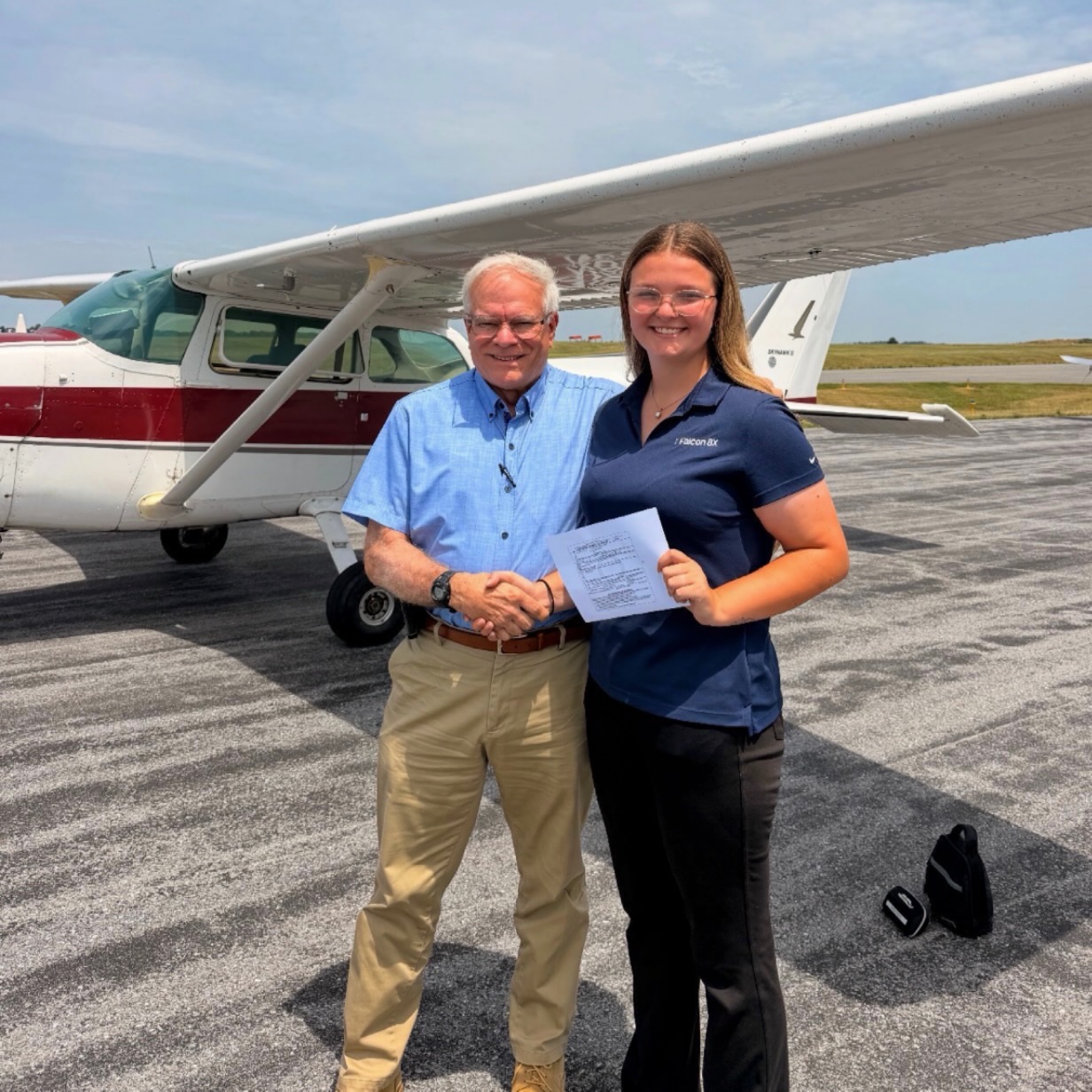
The FAA does not treat a casual note as a record. Under 61.51(h), training time must be written in a logbook and endorsed in a legible manner by the authorized instructor. The entry must include:
- A description of the training given
- The length of the training lesson
- The instructor’s signature
- The instructor’s certificate number
- The instructor’s certificate expiration date
That list is why the logbook matters from day one. A complete entry is easy to use later. An entry with a missing signature or a vague description is harder to rely on when an examiner or school looks at your record. The instructor, not the student, supplies the endorsement.
Your logbook is your own record, and the logging rules are the same at any school, so it helps to know them before you walk in. Our guide to preparing for your first flying lesson covers what to bring on the day.
How one flight fits into the 40-hour rule
Here is where the counting happens. Under 14 CFR 61.109, a person who applies for a private pilot certificate with an airplane category and single-engine class rating under Part 61 must log at least 40 hours of flight time. That time includes at least 20 hours of flight training from an authorized instructor and 10 hours of solo flight training.
Those numbers are minimums, and they are one part of a longer list. The same rule also sets requirements for cross-country flying, night flying, instrument training and test preparation. So 40 is the floor, not a promise of how many hours any one student needs. Real training time depends on how often you fly, how you learn, the weather and a dozen other things.
Think of the 20 hours of instructor training as a running total. Your discovery flight is the first entry toward it. If you go on to enroll, that first line sits in the same logbook as the rest. The details of the certificate are on our private pilot training page, and Part 61 versus Part 141 changes how a course is structured, which we explain in the differences between Part 61 and Part 141 flight schools.
What does not count, and what to watch for
Not everything around a first flight is flight time. A few boundaries help you set expectations.
Ground instruction is recorded as ground training, not as flight time. The briefing before your flight and the debrief after it are useful, but they sit in a different category from the hours you spend in the air.
Flights without an authorized instructor do not become instructor training time. A scenic ride with a pilot who is not your instructor is a great experience, but it is not a training lesson. If you want a ride only, our scenic flights are built for that.
An incomplete entry is the most common way credit gets complicated. The rule asks for a description, a lesson length and the instructor’s signature and certificate details. If any of that is missing, ask your instructor to fix it while the flight is fresh.
A discovery flight also does not need a student pilot certificate or a medical certificate. The FAA says you do not need either one just to take lessons with an instructor. They come into play before you fly solo, and the FAA explains the steps on its student pilot certificate page. For questions about medical eligibility, talk to an Aviation Medical Examiner.
How to make your first flight count toward your next step
Because the logbook is yours, a few habits make the time easy to use later.
- Keep one logbook. Put your first flight and every flight after it in the same place.
- Read the entry before you leave. Check that the description, length and instructor details are there.
- Protect the book. Keep it somewhere safe, because it is the record of your training.
- Decide your next step soon. The sooner you book a follow-up lesson, the more your first flight feels like a start and not a one-off.
Cost is part of that choice. We operate primarily pay as you go, and financing options are available if you move on to full training. For a closer look at rates, see where to do a discovery flight and what it costs. If you are buying the flight for someone else, our discovery flight gift guide explains how it works for the recipient.
Frequently Asked Questions
Does a discovery flight count toward my private pilot license?
It can. Flight time with an FAA-certified flight instructor can be logged as training time, and logged time can count toward the flight requirements for a private pilot certificate. The time has to be recorded the way 14 CFR 61.51 requires.
How many hours do I need for a private pilot certificate?
Under Part 61, an airplane single-engine applicant needs at least 40 hours of flight time, including at least 20 hours of flight training from an authorized instructor and 10 hours of solo flight training. Those are minimums, and other requirements apply, so your own total will depend on your training.
What does the instructor have to write in my logbook?
The entry must include a description of the training given, the length of the lesson, and the instructor’s signature, certificate number and certificate expiration date. The instructor must endorse it in a legible manner.
Do I need a medical or a student pilot certificate for a discovery flight?
No. The FAA says you do not need a student pilot certificate or a medical certificate just to take lessons with an instructor. You need both before you fly solo.
Does ground instruction count as flight time?
No. Ground instruction is recorded as ground training. Only the time you spend in an aircraft with your instructor is logged as flight training time.
Can I use my discovery flight if I train somewhere else later?
The logging rules come from the FAA and are the same across schools, so a properly logged flight is a record you carry with you. Contact us if you want help planning your next step, whether that is a second lesson or a full training plan with a clear first month.
Book your discovery flight at Heritage Field
A discovery flight is a real lesson, and the logbook is where it starts to count. Pick a date, tell us your goal, and our team takes it from there. Visit our discovery flight page to book your first flight.