From Harold Pitcairn to Heritage Field: The Pitcairn Story (2026)
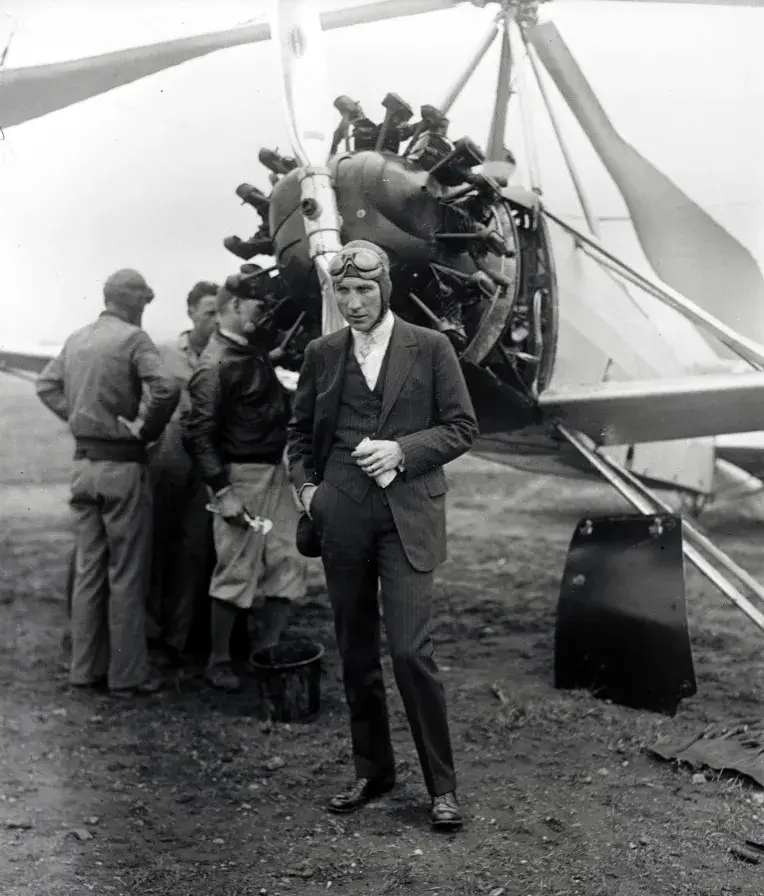
Harold Pitcairn was the great-uncle of our founder, David Pitcairn. If you have ever wondered why a flight school in Pottstown carries his name, this post tells the story the way David tells it: an airfield, an airmail route, an airline and the autogiro, and how all of it led to the training you can start at Heritage Field today. For the short version, visit the About Us page.
A Pilot Before Most People Had Heard of One
Harold Pitcairn was one of the early pilots of the World War I era, at a time when very few people held a pilot’s license at all. He served in the military during the war, though he never saw combat.
Today you can drive to an airport like Heritage Field, meet an instructor and take the controls on your first flight. In Harold’s day, almost nobody had done that. Flying was new, and the people who knew how to do it were the ones who shaped what came next.
Flying to Pittsburgh Instead of Taking the Train
Harold had a long commute between Philadelphia and Pittsburgh. Most people made that trip by train, but Harold hired a pilot and an airplane from Curtiss to fly him back and forth instead.
Those were private flights under Part 91, the general operating rules that cover most non-airline flying in the United States. It is the same rule set you fly under as a private pilot when you take yourself on a trip. Harold simply did it a century earlier, when hiring an airplane for a business commute was almost unheard of.
That habit says a lot about him. He saw the airplane as a practical tool, and that idea runs through everything he built afterward.
From Barnstorming to an Airfield of His Own
In the years after the war, barnstormers traveled the country selling airplane rides, and many of them began settling down at airfields to run steady businesses. Those businesses became what we now call fixed-base operators, or FBOs: the company on the field that offers rides, instruction and services to pilots.
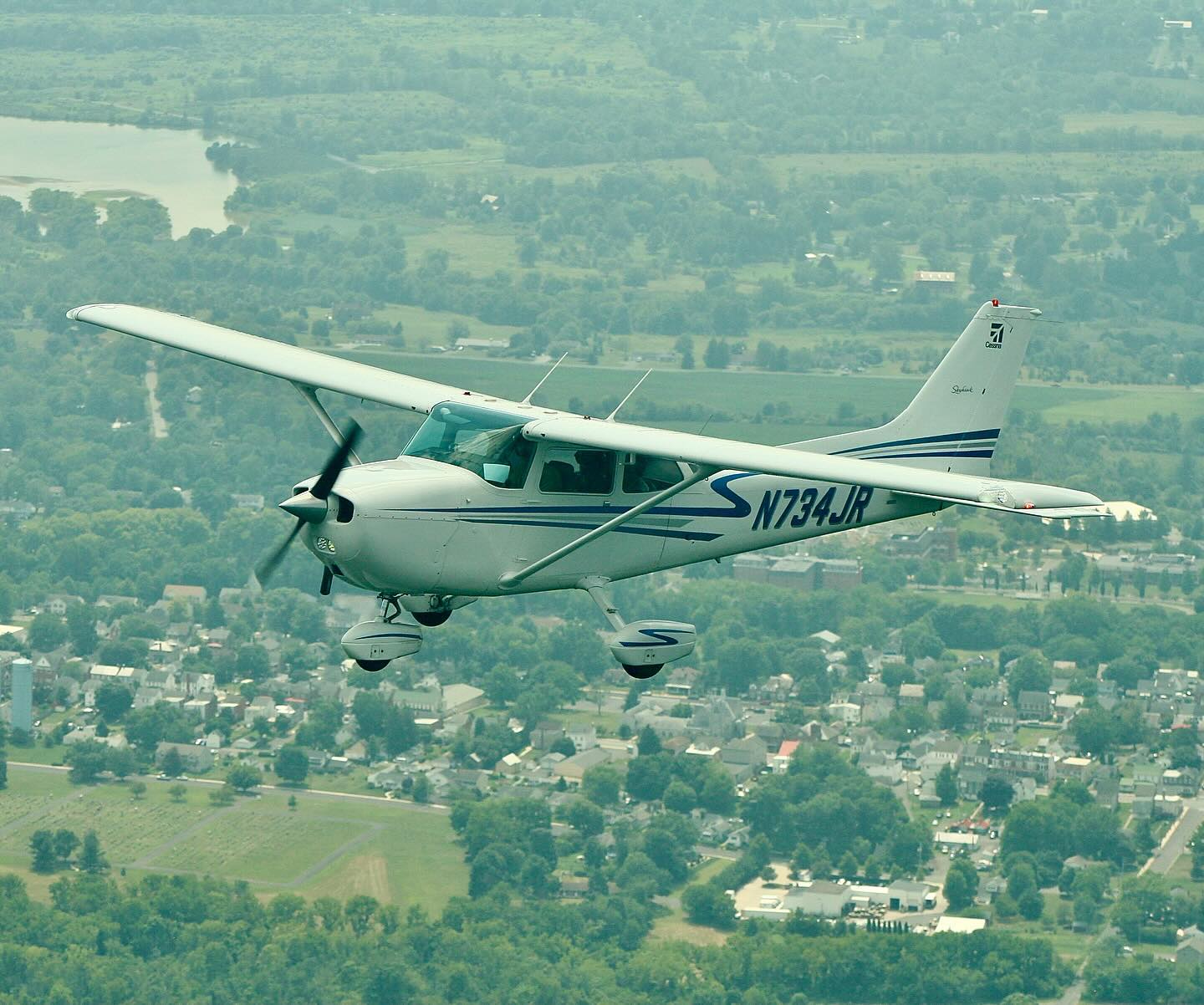
Harold built an airfield and created an FBO, offering rides to the public and flight instruction to new pilots. If you want a taste of what those first passengers felt, a discovery flight puts you in the front seat with an instructor beside you, and our scenic rides show you the countryside from above.
Building Airplanes for Rides, Training and Airmail
Rides and lessons need airplanes, so Harold started building his own. The business grew into two companies. Pitcairn Aviation ran the flying side: the rides, the instruction and later the airmail work. Pitcairn Aircraft built the airplanes.
Then Harold wanted his own airmail route, so he began building airplanes designed to carry the mail. Airmail was one of the most demanding jobs in early aviation, and it pushed pilots and airplanes to fly on a schedule, not just on nice days. Modern pilots who want that kind of reliability add an instrument rating so they can fly in clouds and low visibility.
How Pitcairn Aviation Became Eastern Air Lines
Over time, Harold’s operation stretched up and down the East Coast: rides, flight instruction and airmail, all run from airports along the route. Eventually he sold the airmail route and those airport operations. The company that grew out of that sale became Eastern Air Lines.
Many travelers remember Eastern. World War I flying ace Eddie Rickenbacker later bought the company, and it became one of the best-known names in American air travel before it eventually went out of business. Few of its passengers knew that the airline started as a flying business that sold rides, trained pilots and carried the mail.
Your own path can run through the same steps, from a first ride to private pilot training and, if you want a career, on to commercial pilot training.
The Autogiro: Harold’s Next Venture
Selling the airline did not slow Harold down. He had been working on helicopter research, and then an inventor in Spain, Juan de la Cierva, created the autogiro. It is very similar to a helicopter, but its rotor is unpowered. The rotor spins in the passing air to make lift, while an engine and propeller pull the aircraft forward.
Harold took the money from the airline sale and put it into developing and selling autogiros. It was a bold bet on a brand-new kind of aircraft, and it shows the same instinct he had from the start: find what flying can do next, then build it. For a wider look at how flight training itself has changed, read our post on the evolution of aviation training.
How the Pitcairn Name Came to Heritage Field
It inspired David’s father to become a pilot in his twenties, and his father got David hooked on flying in turn. Today David and Rachael Pitcairn run the airport and the businesses at Heritage Field, including Pitcairn Flight Academy. One of them, Pitcairn Aviation, carries that name for one reason: the history behind it. Pitcairn Aviation’s name tells you where it came from.
Why We Do This: Promote Aviation and Create More Pilots
The airport, the flight school and every business at Heritage Field share promote aviation and create more pilots. A big part of that is getting the younger generation excited about flying, the same way Harold’s story got David’s father excited.
You can see that vision at work in the Junior Aviators Camp and at the annual Heritage Field fly-in, held the first weekend in May, when the flight school offers rides to visitors. A century after Harold sold his first rides, the idea is the same: put people in an airplane and let them see what flying can do.
Still deciding whether to start? The new to flying guide covers the first questions most beginners ask, from medical certificates to what a first lesson feels like.
Frequently Asked Questions
Who was Harold Pitcairn?
Harold Pitcairn was an early aviation pioneer and the great-uncle of our founder, David Pitcairn. He built an airfield and FBO offering rides and instruction, built his own airplanes, ran an airmail route that became part of Eastern Air Lines, and later developed autogiros. You can read more about him on Wikipedia and Wikidata.
Is Pitcairn Flight Academy connected to Eastern Air Lines?
Only by history. Harold sold his airmail route and airport operations, and the company that grew from that sale became Eastern Air Lines. Pitcairn Flight Academy has no business connection to the airline.
What is an autogiro?
An autogiro is an aircraft very similar to a helicopter, but its rotor is unpowered. The rotor spins in the passing air to create lift while an engine and propeller pull it forward. Juan de la Cierva of Spain invented it, and Harold Pitcairn developed and sold autogiros.
Why is the business at Heritage Field called Pitcairn Aviation?
Because of the history behind the name. Harold Pitcairn’s original company was Pitcairn Aviation, and the name was chosen to honor that story.
Who runs Pitcairn Flight Academy?
David and Rachael Pitcairn founded Pitcairn Flight Academy at Heritage Field Airport in Pottstown, Pennsylvania. You can meet the team and read the mission on the About Us page.
Can I take a first flight like Harold’s early passengers?
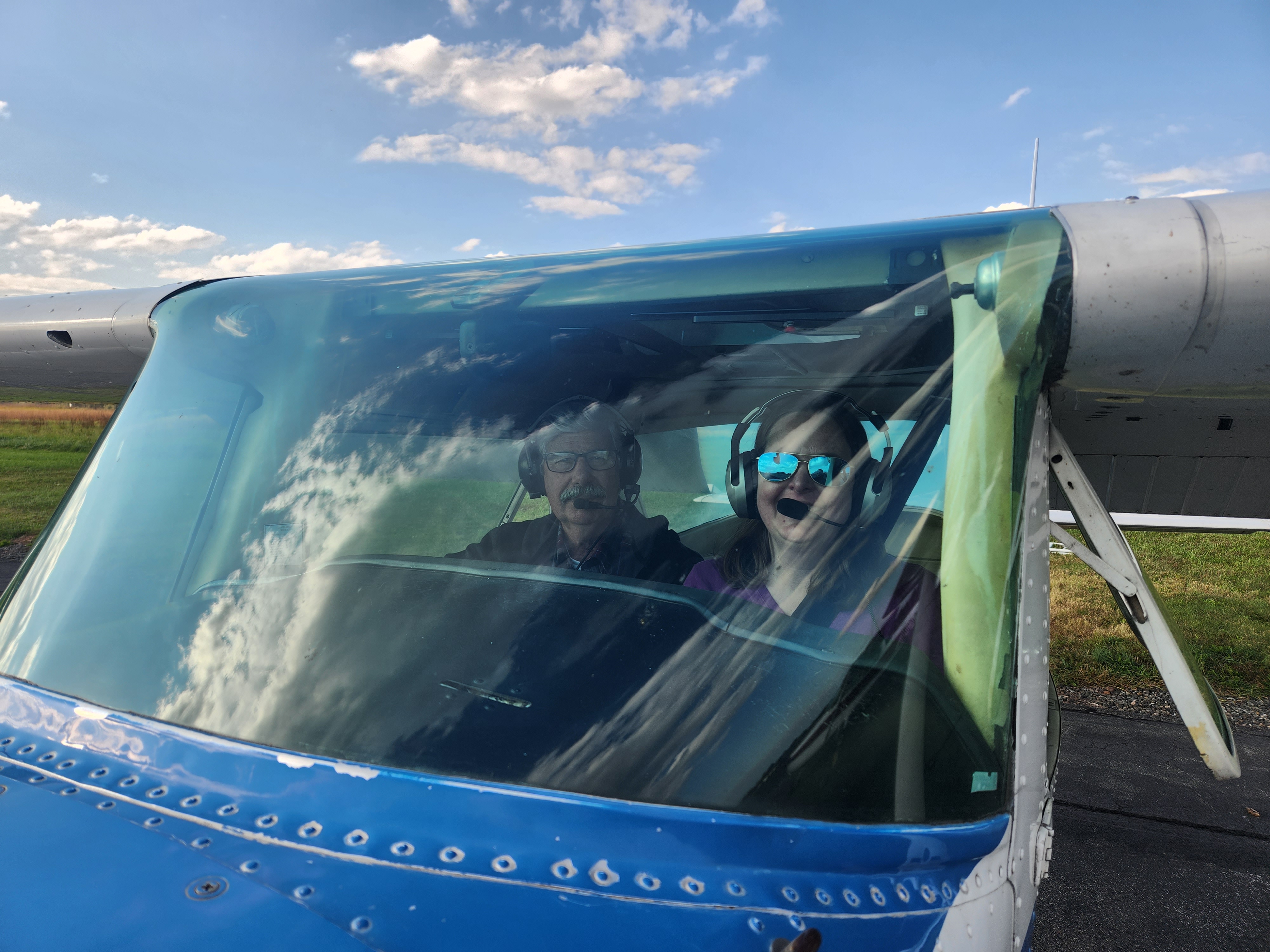
Yes. A discovery flight is a short introductory lesson with an instructor, and you handle the controls in the air. It is a low-pressure way to find out whether flying is for you. Learn more on the discovery flight page.
Start Your Own Chapter With a Discovery Flight
Harold Pitcairn’s story started with rides and lessons at a small airfield. Yours can start at Heritage Field. Book a discovery flight, take the controls with an instructor, and see the Pennsylvania countryside from the front seat.
Book your discovery flight and take the first step toward your own place in the sky.