Nervous Flyer? How a Discovery Flight Can Ease Your Fear of Flying in 2026

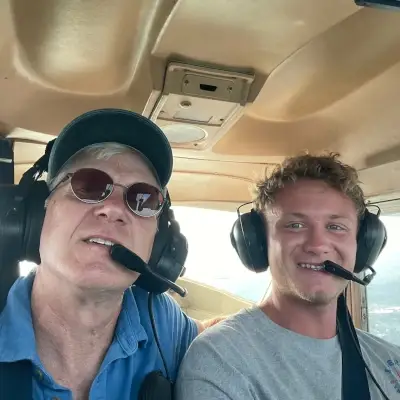
The seatbelt sign chimes, the engines change pitch, and the airplane drops a few feet. Everyone else keeps reading. You grip the armrest and wonder what just happened. If that is you, you are a nervous flyer, and you have plenty of company.
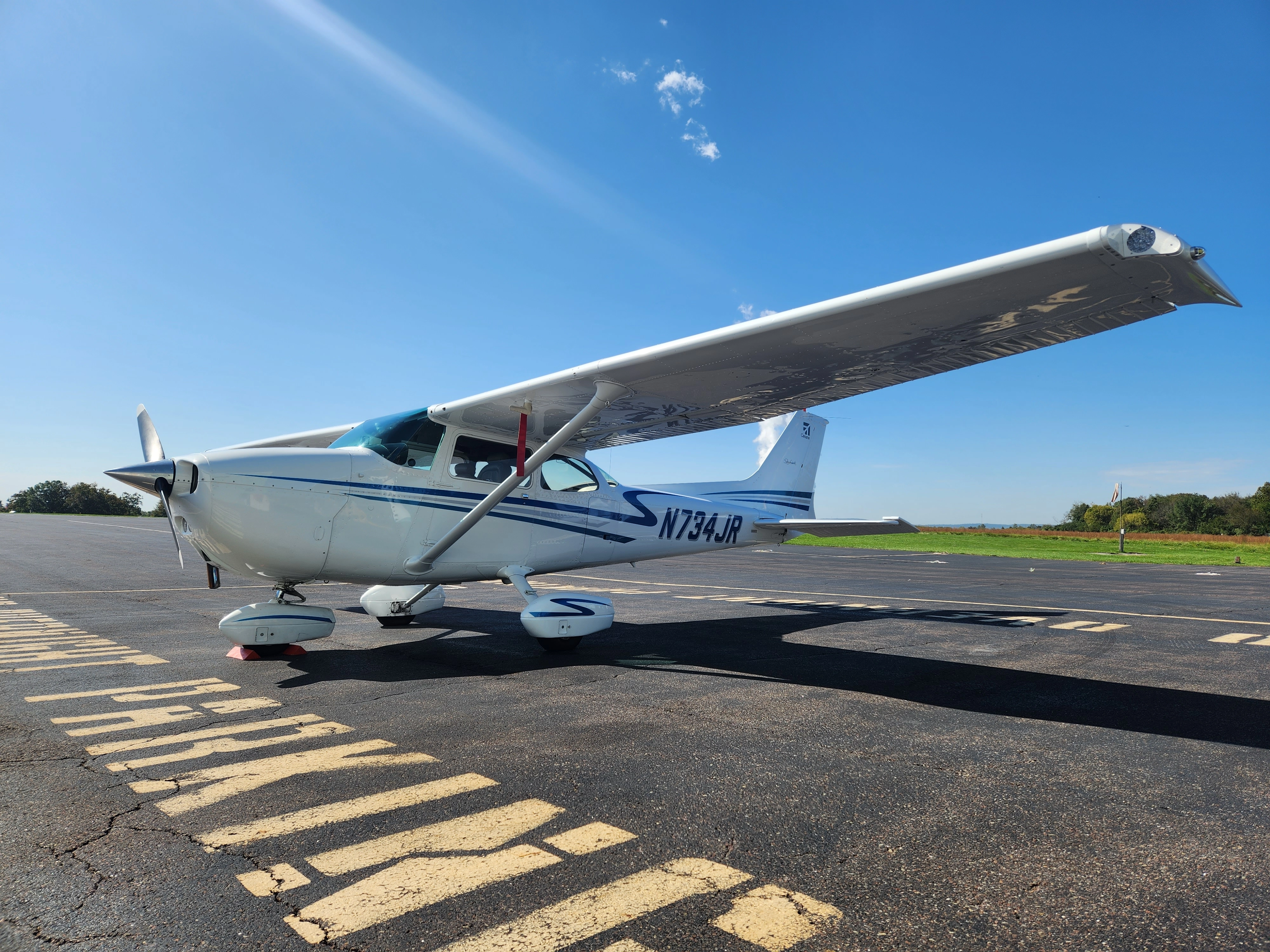
Here is the short answer: a lot of fear of flying comes from not knowing what the airplane and the pilots are doing. At Pitcairn Flight Academy, we help nervous flyers fix that the direct way. Every discovery flight starts with a ground briefing on the safety basics, and then you see it all from the front seat of a small airplane at Heritage Field in Pottstown.
Why knowing how airplanes work takes the edge off
When you do not know why the engine sounds different or why the wing flexes, your mind fills in the worst story it can find. A plain explanation gives it something better to work with.
Not long ago, someone came to us who was nervous even about big airline flights. They had a big trip coming up, so they booked a discovery flight to learn how airplanes actually work before they boarded. You do not have to want a pilot certificate to do the same. Wanting answers is enough.
A small airplane is a good classroom for this because nothing is hidden. You sit beside the instructor, you see every gauge, and you hear every radio call. If you want the bigger picture of how a first flight runs, our complete discovery flight guide covers it step by step.
The ground briefing: what your instructor explains first
Before anyone starts the engine, your instructor sits down with you for a ground briefing built around the questions nervous flyers ask most: how the airplane flies, what pilots do in an emergency and how much training they have. You can ask anything. Here is what we usually cover.
How a wing makes lift. Air flowing over and under the wing creates lift, and four forces (lift, weight, thrust and drag) act on the airplane in balance. Once you see this drawn on a whiteboard, the idea that an airplane is “held up by nothing” goes away. The FAA explains the same forces in its Pilot’s Handbook of Aeronautical Knowledge, the same book our students study.
What happens if the engine stops. This is the big one. An airplane does not fall out of the sky when the engine quits. It becomes a glider. The pilot sets up the airplane’s best glide speed, picks a place to land, and works through a checklist. Pilots practice it again and again during training.
How pilots train for emergencies. Emergency procedures are part of every pilot’s training from the early lessons, and emergency operations are tested on the private pilot practical test, the flight exam for a pilot certificate. The FAA lays out those standards in its Airman Certification Standards.
How much experience an airline pilot has. Most airline first officers need an Airline Transport Pilot certificate, which generally requires 1,500 hours of flight time, with some reduced-hour pathways for certain graduates and military pilots. Our post on the 1,500 hour rule explains where that number comes from. By the time a pilot sits up front on your airline flight, they have flown a lot of hours and practiced a lot of emergencies.
The walkaround: seeing the airplane up close
Next, you and your instructor walk around the airplane together for the preflight inspection. This is a checklist pilots run before every flight, and you get to watch it, touch it and ask about it.
You will see the control surfaces move when the instructor moves the controls. You will check the fuel and oil. You will look at the tires, the propeller and the wings. Every item has a reason, and your instructor will tell you what it is. Many nervous flyers find that seeing how careful and routine this check is changes how they think about the whole flight.
Your instructor is also responsible for the flight, and that includes the weather decision. If the weather is not right, your instructor makes the call and we reschedule. Our discovery flight safety, weather and medical FAQ answers the most common questions about that.
In the air: taking the controls yourself
On a discovery flight, your instructor handles the takeoff and landing. Once the airplane reaches a safe altitude, your instructor hands you the controls and you fly the airplane.
For many nervous flyers, this is when curiosity starts to take over. You push the yoke forward a little and the nose drops. You pull back gently and it rises. You turn and feel the airplane bank. The movements that scared you on an airliner now have a cause you can feel in your own hands.
If the air gets a little bumpy, your instructor can tell you what is happening. Turbulence is moving air, much like waves on a lake, and knowing that often makes the bumps feel less mysterious. Our minute-by-minute look at a discovery flight shows how the time in the air usually unfolds.
What a discovery flight includes for a nervous flyer
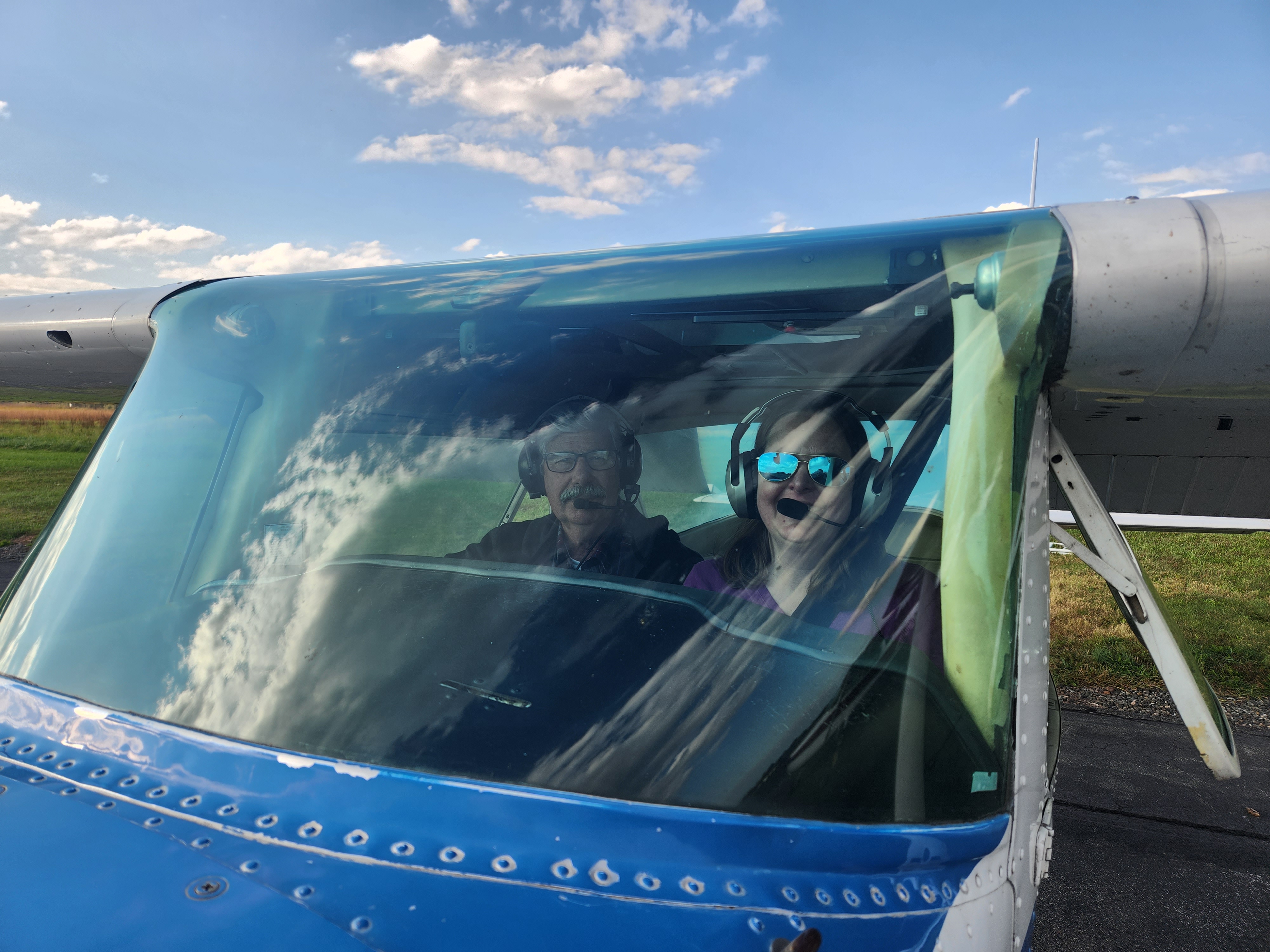
You do not need to sign up for anything special. The safety talk is built in to every discovery flight, so the whole visit follows the same three steps.
| Step | What happens | Why it helps a nervous flyer |
|---|---|---|
| Ground briefing | Your instructor explains how the airplane flies, the safety measures, the emergency training and how many hours pilots log | You get answers before you ever leave the ground |
| Walkaround | You join the preflight inspection and see the controls, fuel, tires and wings checked | You see how careful and routine the checks are |
| Flight | Your instructor flies the takeoff and landing, and you take the controls in the air | The movements finally have a cause you can feel |
Tell us you are a nervous flyer when you book. Your instructor can spend more time on the briefing, answer every question and take things at your pace.
A discovery flight starts from $185. The time you fly with your instructor is logged, and it counts toward a private pilot certificate if you ever decide to keep going. Most nervous flyers come for the understanding, though, and the logbook entry is a bonus. Our tips on preparing for your first flying lesson can help you get ready.
How to bring this home to your next airline trip
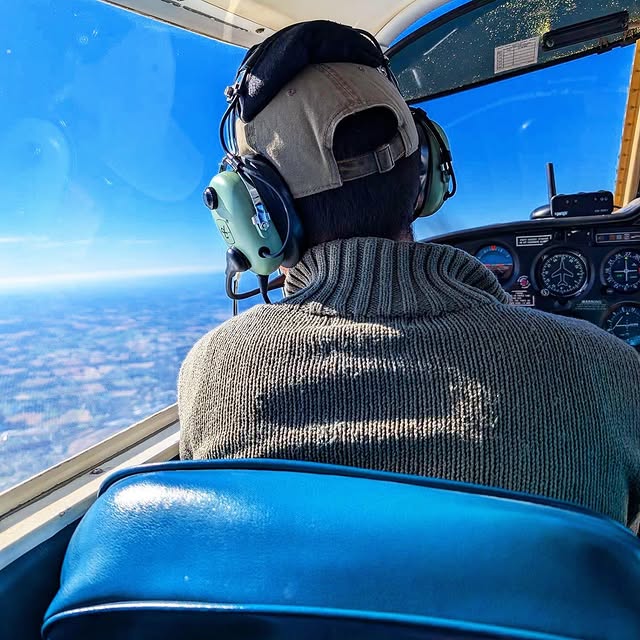
The goal is for you to walk onto your next airliner with better questions and better answers. When the engines change pitch after takeoff, you will know pilots reduce power on purpose. When the airplane bumps, you will picture moving air. When you hear a strange noise, you will remember that pilots work from checklists for nearly everything.
Here are a few habits our team suggests for your next trip:
- Pick a window seat so you can watch the wings and the ground.
- Remember the glide you learned about. The airplane is built to fly.
- Notice the routine. Checklists, briefings and radio calls are signs of a trained crew at work.
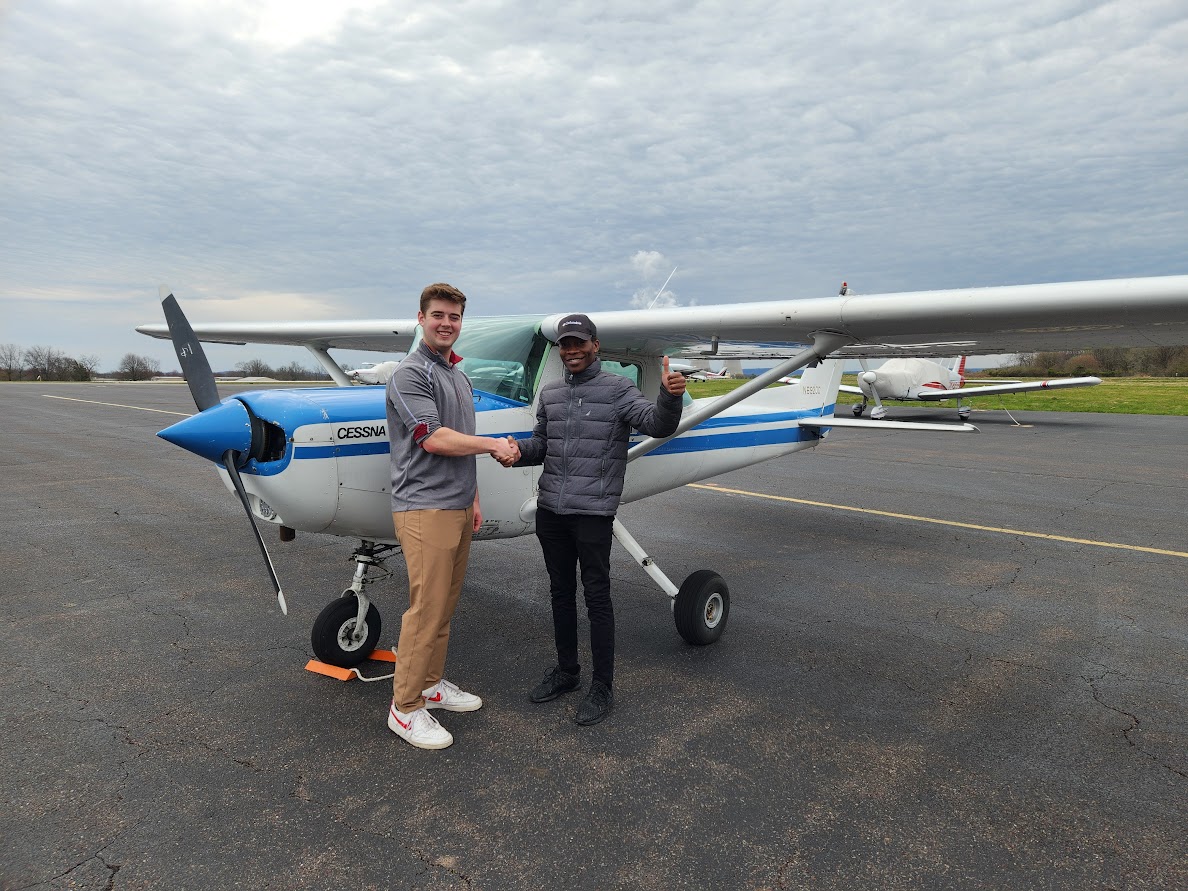
- Bring a partner along on your discovery flight if it helps. A guest can ride in the rear seat of our Cessna 172, subject to weight and balance and instructor approval.
If the experience sparks something bigger, our guide for people new to flying shows what learning to fly looks like. Cost is a fair question too, and so is financing. Contact us to talk through current rates and how to plan your budget.
Frequently Asked Questions
Can a discovery flight help with fear of flying?
A discovery flight helps you understand how airplanes fly, how they glide if the engine stops, and how pilots train for emergencies. Many nervous flyers find that understanding makes flying feel more familiar. This is not medical advice, and if your anxiety is severe, a healthcare professional is the right person to talk with. Learn more on our discovery flight page.
Do I have to fly the airplane if I am nervous?
No. Your instructor flies the takeoff and landing, and you take the controls only when you are comfortable. The ground briefing comes first, so you can ask every question before the engine starts.
Is a small airplane scarier than an airliner?
It can feel that way at first. In a small airplane, though, you sit up front, see everything and can ask the pilot anything in real time. Our safety, weather and medical FAQ covers the most common concerns.
Do I need a medical certificate or pilot certificate for a discovery flight?
No. You do not need a student pilot certificate or a medical certificate to take a flight with an instructor. You would need those later only if you continue training toward solo flight.
What if the weather is bad on the day?
Your instructor makes the go or no-go decision. If the weather is not right, we reschedule. You never have to fly in conditions your instructor does not like.
Can someone come with me?
Yes, in many cases. A guest can ride in the rear seat of the Cessna 172, subject to weight and balance and instructor approval. Mention it when you book on our discovery flight page.
Book a calm first look at flying
You do not need to love flying to start. You only need to want to understand it. Spend an hour at Heritage Field with one of our instructors, see how the airplane works, and take the controls yourself when you are ready.
Book your discovery flight and choose “Build confidence flying in a small airplane” as your goal so your instructor knows to plan a nervous-flyer briefing.