Why Aircraft Maintenance Matters When You Choose a Flight School (2026)
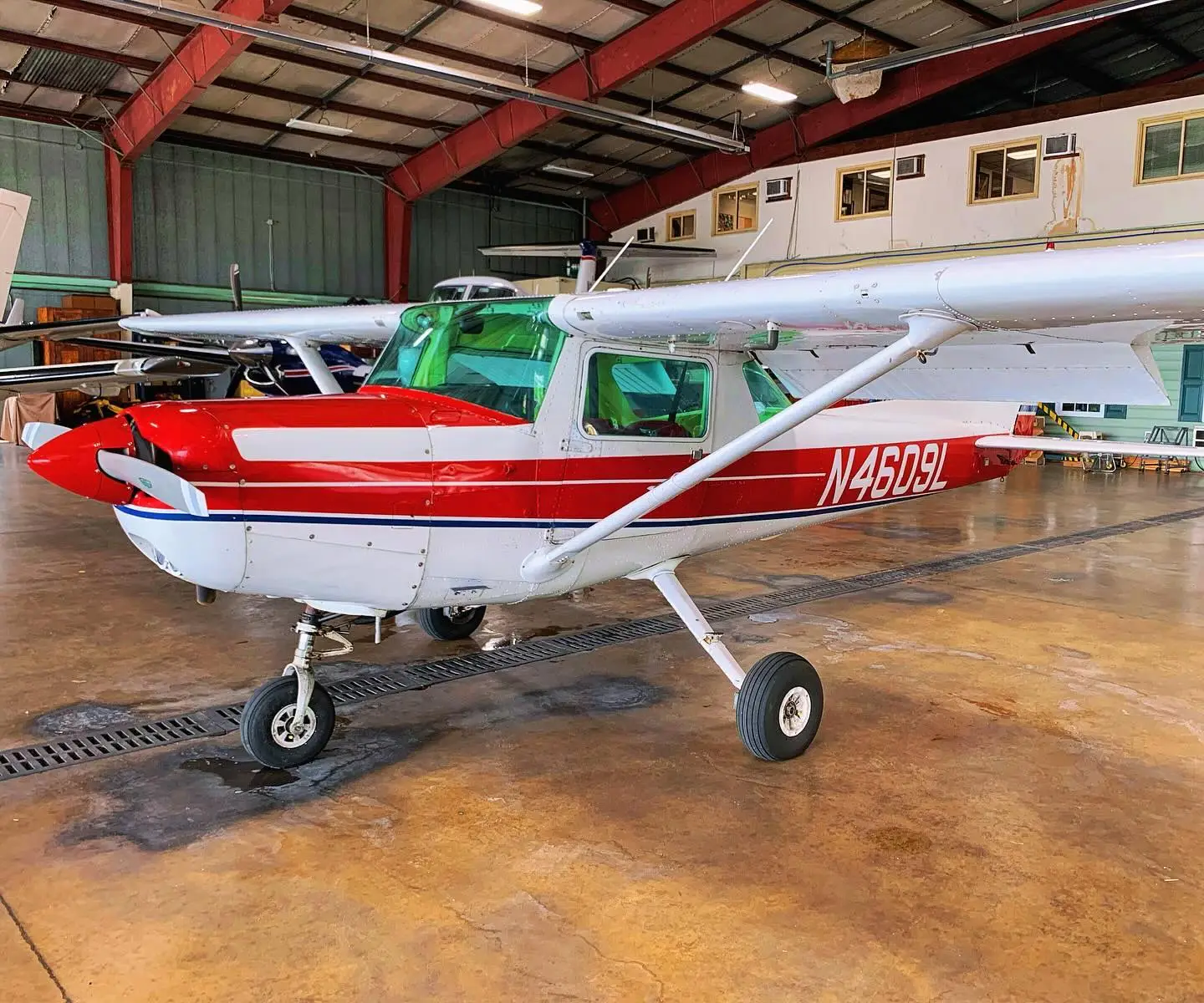
Before you ever touch the controls, someone has already had the cowling off your airplane. They checked the engine, looked over the controls and cables, and signed the logbook. You will never see most of that work, but it decides how often your lessons happen, how the airplane feels in the air and how confident you feel strapping in. That is why flight school aircraft maintenance belongs near the top of your list when you compare schools.
Here at Pitcairn Flight Academy, we get this question in different forms: “Are the planes safe?” “What happens if one breaks?” “Why are your rates where they are?” This guide answers all three. You will learn what inspections a training airplane has to pass, what you can check on your own, and how our maintenance partner, Penn Air Repair, keeps our fleet flying from the same airport where you train. If you are still early in the process, our guide to choosing a flight school in Pennsylvania covers the other big factors.
The two inspections every training airplane must pass
Federal rules set the floor. Every aircraft needs an annual inspection within the previous 12 calendar months before it can fly. Training airplanes have a second requirement. When a school provides the airplane for flight instruction, it also needs a 100-hour inspection, which means a full inspection every 100 hours of flight time. The rule is in 14 CFR 91.409.
A busy trainer can reach 100 hours in a matter of weeks, so a flight school airplane gets inspected far more often than a privately owned plane that flies on weekends. That works in your favor as long as the school treats each one as a real inspection.
| Inspection | When it happens | Why it matters to you |
|---|---|---|
| Annual inspection | Every 12 calendar months | Required for every aircraft, including the ones in our rental fleet |
| 100-hour inspection | Every 100 hours of flight time | Required for airplanes used for instruction, like the ones in our Private Pilot program |
| Preflight inspection | Before every flight | You do this yourself, with your instructor, from your first lesson |
The owner or operator is responsible for keeping each aircraft airworthy, and every inspection and repair goes into the maintenance records. Those logbooks are the history of the airplane. You will learn to read them as part of your training, and the FAA covers required inspections and aircraft documents in the Pilot’s Handbook of Aeronautical Knowledge.
What you can check on a tour or a first lesson
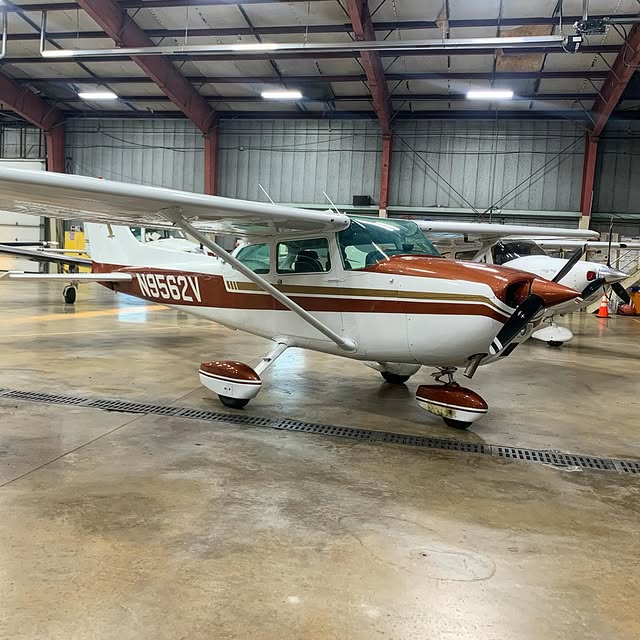
You do not need to be a mechanic to judge a school’s maintenance. You need to know where to look. On your first visit, notice the airplanes themselves. Are the windows clean? Are the tires in good shape? Does the instructor pull out a checklist and walk around the airplane with care, or rush through it?
On a discovery flight, you will do part of that preflight walkaround yourself. You will check fuel and oil, look at the control surfaces and see how the instructor treats small details. Pilots in command are responsible for deciding whether the airplane is in condition for safe flight, so a good instructor teaches that habit from day one. Our post on the daily habits of safe pilots goes deeper on why.
Here are questions worth bringing to any school, including ours:
- Who maintains the airplanes, and where is the shop?
- How are inspections tracked so an airplane never flies past its due time?
- What happens when a student writes up a problem after a lesson?
- What other aircraft do the mechanics work on?
Clear, quick answers are a good sign, and vague ones are worth remembering when you compare.
Who keeps our fleet flying: Penn Air Repair at Heritage Field
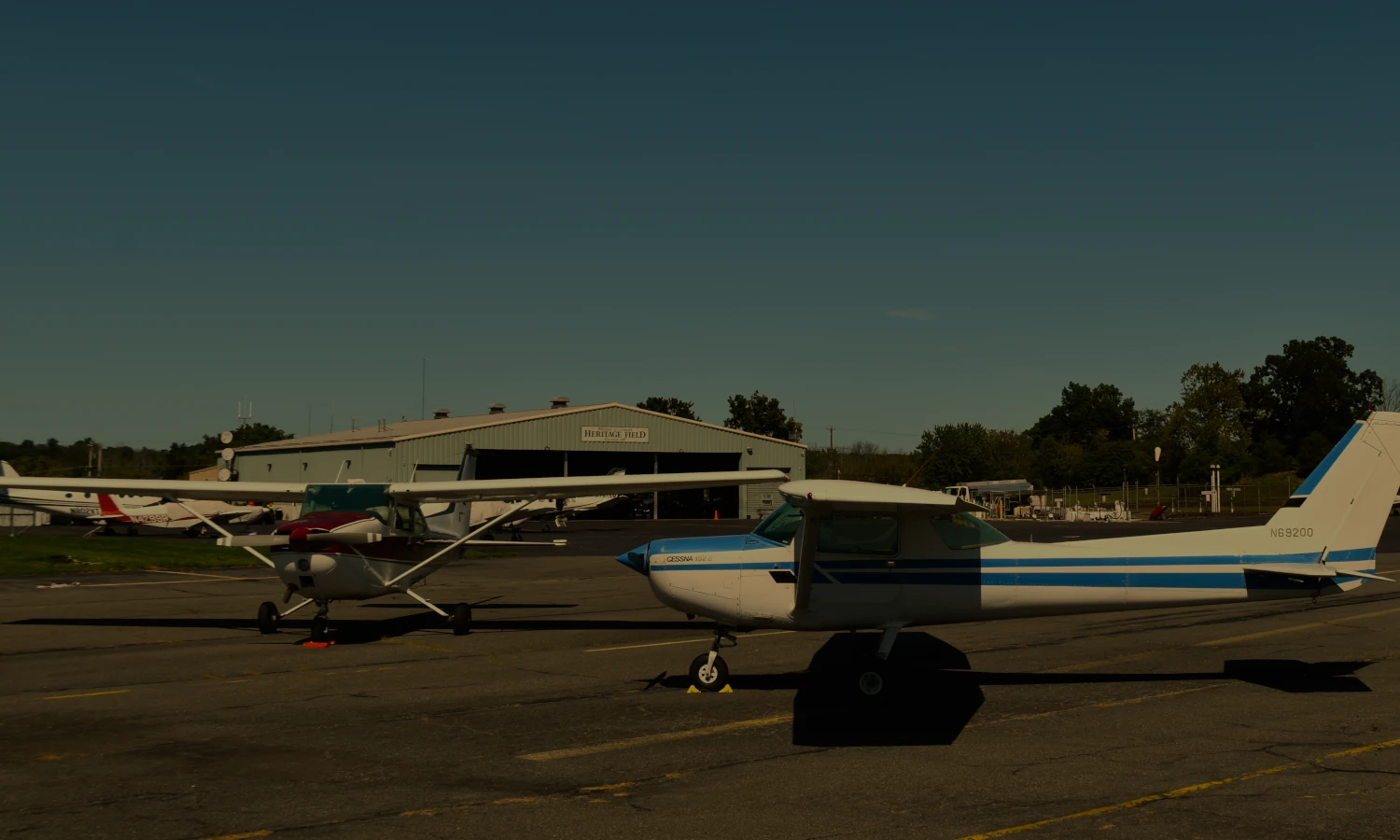
Penn Air Repair is the exclusive maintenance provider for Pitcairn Flight Academy. Their shop sits right here at Heritage Field Airport (KPTW) in Pottstown, on the same field where you will preflight. Their team of FAA-certified technicians brings over 30 years in the industry, and they maintain aircraft for owners and operators across Pennsylvania, New Jersey, New York, Maryland and Delaware.
Their services cover the full routine: 100-hour and annual inspections, compression testing, oil service with oil analysis, dynamic prop balancing, light avionics and sheet metal repair. They also run airworthiness directive tracking, which keeps every required safety update on schedule. Penn Air Repair is Savvy Certified, a diagnostic program run by Savvy Aviation, and is an approved installer of SureFly electronic ignition.
You can learn more about the shop at Penn Air Repair’s website, and you can see the airplanes they keep flying in our post Meet the Pitcairn Fleet.
Why charter and turbine experience shows up in a Cessna 152
Penn Air Repair does not only work on small trainers. Their technicians regularly service Part 135 aircraft. Part 135 is the FAA rule set for charter and commuter flying, where paying passengers expect professional standards every trip. Penn Air Repair holds all of its work, including the work on our trainers, to Part 135-level standards.
They also maintain turbine aircraft, including PT6A turboprop engines in airplanes like the King Air, Pilatus PC-12, Cessna Caravan and TBM. On the piston side, they work on Lycoming and Continental engines and on Cessna, Piper, Beechcraft, Mooney and Cirrus airframes.
Good shop habits carry over to the smallest airplane in the hangar. A shop that inspects turboprops for charter operators is used to detailed records, tracked inspections and parts control. Those same habits go into the 100-hour on the trainer you fly on Tuesday morning. When you are comparing schools, the depth of the maintenance team is worth as much attention as the paint on the airplane.
How on-field maintenance protects your schedule
A canceled lesson costs you more than one hour. Flying two or three times a week keeps skills fresh, and every gap means time spent relearning what you already knew. Our post on why student pilots drop out shows how quickly lost momentum adds up.
Having the shop on the same field changes how a problem plays out. Say you land, tie down and write up a squawk, a pilot’s term for a problem report, about a sticky radio knob. Nobody has to fly the airplane to another airport or wait days for a mechanic to drive in. The write-up goes down the ramp to Penn Air Repair, and they look at it on site. Small issues get caught early, before they grow into long repairs.
Maintenance cannot stop every delay. Weather, parts availability and scheduling still play a part, and no school can promise you will never lose a lesson. What good maintenance does is cut the delays you can control.
Our fleet is also growing. More airplanes means more open times on the schedule and less chance one airplane in the shop disrupts your week. You can see current options on our airplane rentals page and check our guide to flying out of Heritage Field to learn more about where you will train.
Why a fair rate and careful maintenance belong together
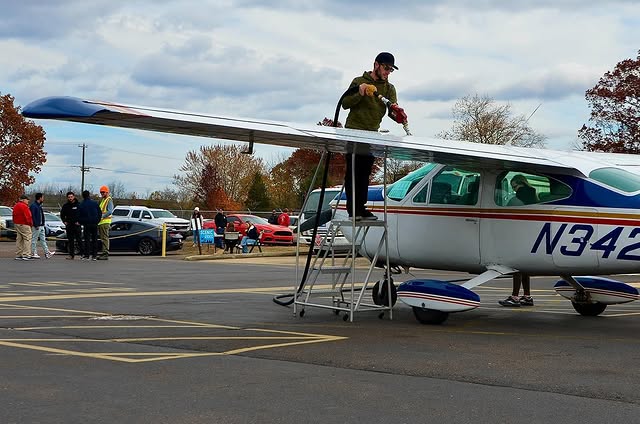
We work to keep our training rates competitive. Some students hear “competitive” and wonder whether something gets cut to make that work. With maintenance, that worry makes sense. At Pitcairn, the inspections, the records and the shop do not get cut. A well-maintained airplane spends more time flying and less time grounded, which is part of how we keep costs reasonable in the first place.
When you compare prices, look at what sits behind the hourly rate. A cheaper rate is not a bargain if the airplane is down half the month and your training stretches out. Our breakdown of how much flying lessons cost in Pottstown walks through where the money goes. If you want to plan your budget, contact us to talk through current rates and payment options for your training.
Frequently Asked Questions
How often are flight school airplanes inspected?
Every aircraft needs an annual inspection. Airplanes a school provides for flight instruction also need a 100-hour inspection, so a busy trainer is inspected many times a year. You also do a preflight inspection before every flight.
Who maintains the airplanes at Pitcairn Flight Academy?
Penn Air Repair, a maintenance shop based at Heritage Field Airport (KPTW), is our exclusive maintenance provider. Their technicians also work on Part 135 charter aircraft and turbine engines.
Can I see an airplane’s maintenance records?
Learning to read aircraft logbooks and check required inspections is part of private pilot training. Your instructor will walk you through the documents as you prepare for your Private Pilot certificate.
What happens if something is wrong with the airplane before my lesson?
Your instructor will not fly an airplane that is not in condition for safe flight. The issue goes to Penn Air Repair on the field, and we will work with you to reschedule as soon as we can.
Does better maintenance make training more expensive?
Not necessarily. Airplanes that are cared for spend less time grounded, which helps keep training steady. We keep our rates competitive, and we are happy to go over current pricing with you.
What airplanes will I train in?
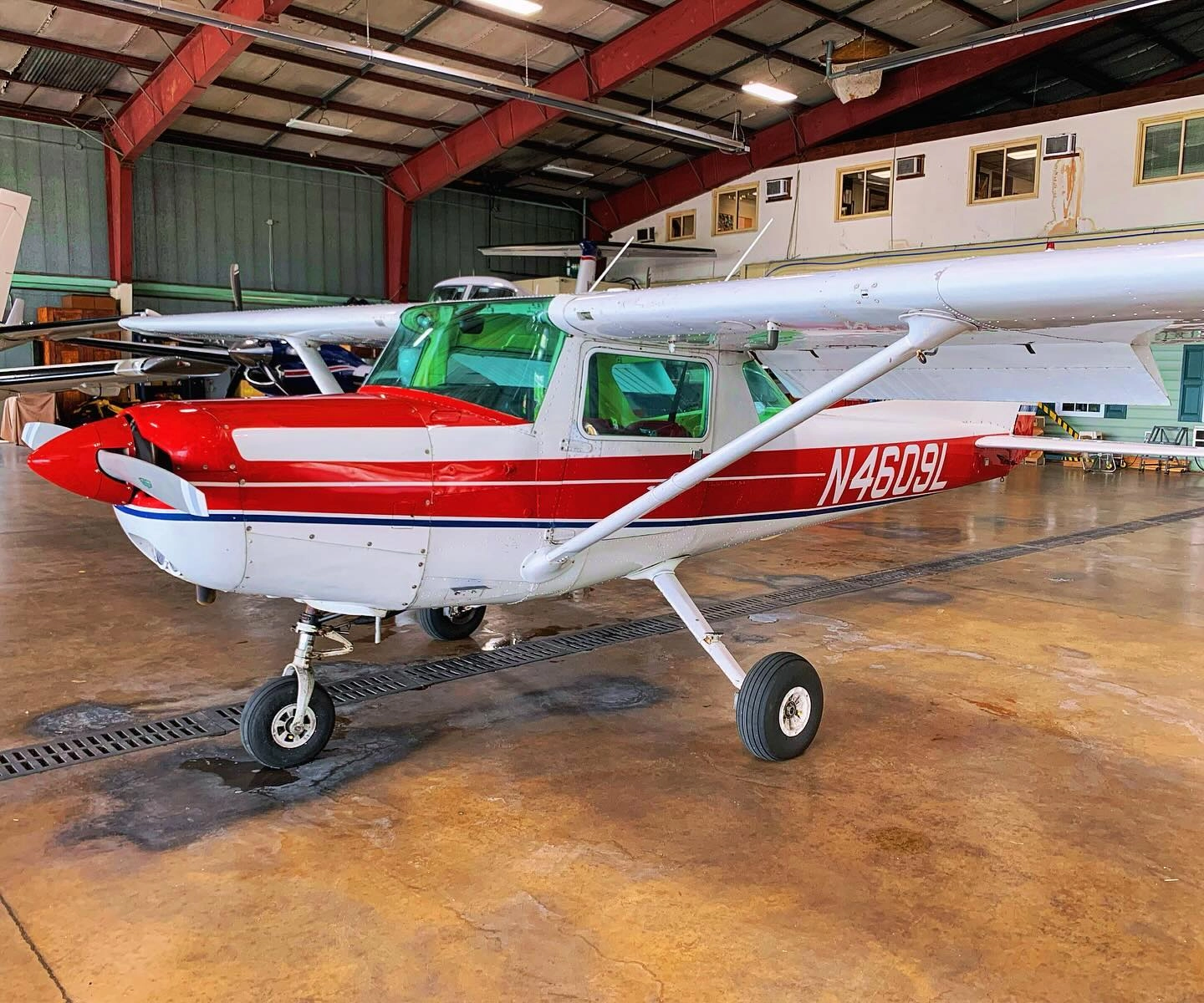
Our fleet includes Cessna trainers, a Beechcraft Sierra and a Tiger. Read Meet the Pitcairn Fleet for why we fly each one.
See the airplanes and the airport for yourself
The best way to judge a flight school’s maintenance is to walk around one of its airplanes with an instructor. On a discovery flight, you will do a preflight, take the controls over Southeastern Pennsylvania and see Heritage Field up close. Book your discovery flight and look over our fleet in person.