How Learning to Fly Can Change Your Life: The Real Benefits in 2026
It is a Saturday morning at Heritage Field. The highway you drove in on is already filling up, and you are running your hand along the wing during the preflight walkaround. Twenty minutes later the runway falls away, the traffic shrinks to a line of slow beads, and the day ahead looks completely different. Ask us about the benefits of learning to fly and we will point to that moment, because the certificate changes what a normal weekend, a family trip or a work week can look like.
Most people who ask us why they should become a pilot are not asking about airline careers. They want to know what flying would add to their own life. If the career question is yours, our guide on why become a pilot covers that path. This post is about the other reasons, the ones you can picture yourself living. Every pilot has a personal reason, but most of them boil down to a few. Below are five of them, the real FAA privileges that make each one possible, and what it takes to get there from a first discovery flight.
1. Picture your weekends without the long drive
A private pilot certificate turns places that felt too far for a weekend into places you can actually go. A lake town, a beach, a mountain inn, a small airport with a restaurant on the field: trips that eat a whole day in the car can become a morning flight, with the afternoon left for the trip itself. You leave when you are ready, not when a schedule says so, and you come home the same way.
This is also where your training pays off in a very practical way. Cross-country flying, which pilots use to mean flights to another airport, is a core part of private pilot training. You plan the route, check the weather, talk to air traffic control and land somewhere new. Our post on cross-country flying in Pennsylvania shows the kind of airspace you learn to handle from Heritage Field.
Weather is the limit to plan around. As a new private pilot, you fly by visual flight rules, which means you stay within the FAA’s weather minimums for visibility and distance from clouds. Some trips will wait a day for the weather. Many pilots add an instrument rating later because it makes cross-country travel more dependable, and our article on weather and flight training explains why good pilots respect those limits.
2. Picture taking your family on an amazing vacation
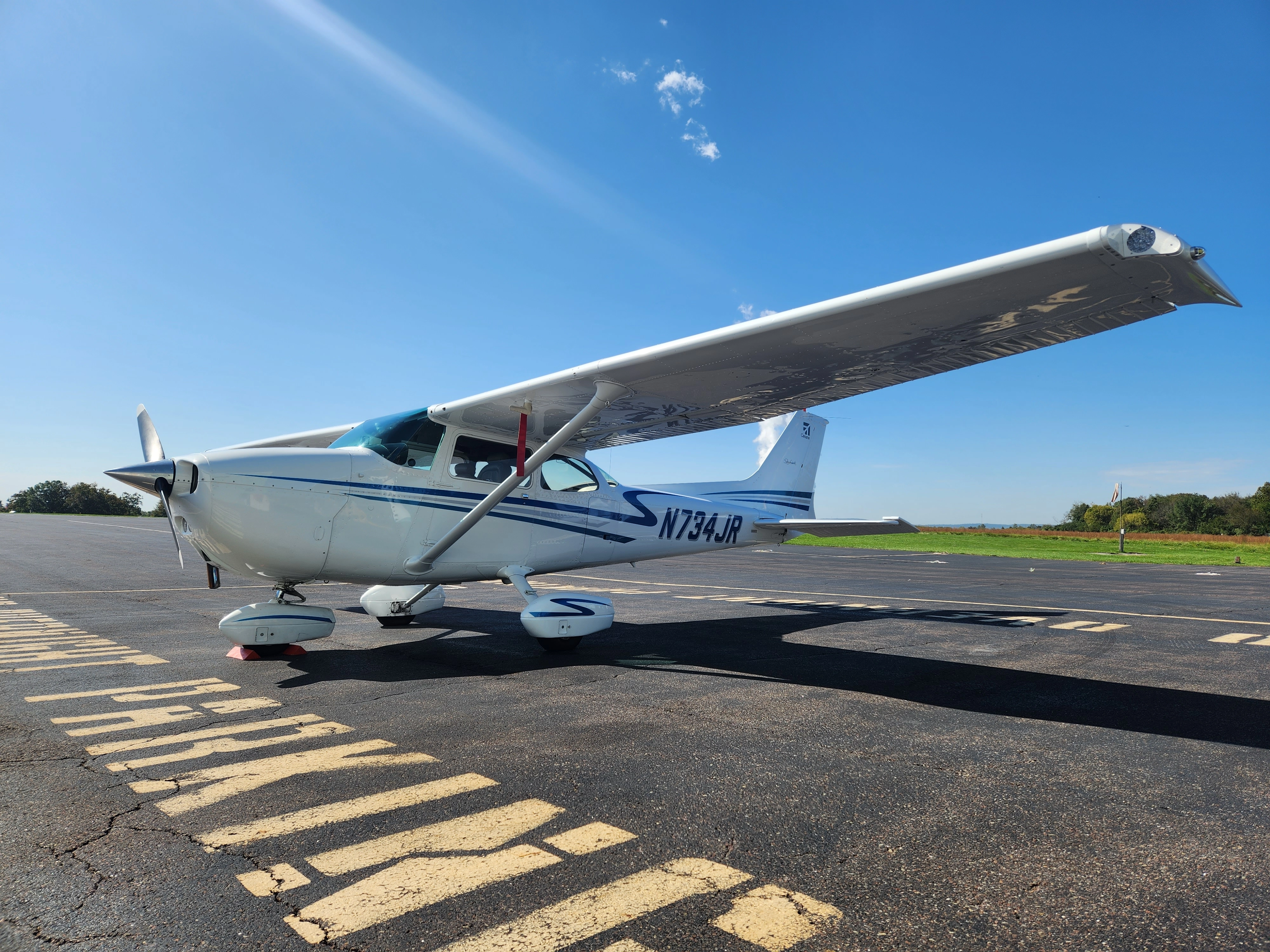
A private pilot certificate lets you carry passengers, so the trip you planned is one your partner, your kids or your oldest friend can share. Picture loading the family into a four-seat Cessna 172 for a vacation they will talk about for years, with everyone pointing out landmarks through the windows on the way there. Or keep it simple with a lunch trip to an airport restaurant an hour away.
The rules are clear about money. Under 14 CFR 61.113, a private pilot can share the operating costs with passengers, such as fuel, oil, airport fees or the aircraft rental, as long as the pilot pays at least an equal share. Nobody can pay you to fly them. Within that rule, a group trip can cost each person less than you might expect. You can read the exact wording in the FAA’s Part 61 rules.
Space matters too. A 172 has room for a pilot and passengers, limited by weight and balance, which is the calculation every pilot does to keep the airplane within safe loading limits. Our fleet post explains why we fly the Cessna 152, the 172 and the Beechcraft Sierra.
3. Picture flying yourself to your next business meeting
If your work takes you around the region, flying can change how you travel for business. The FAA allows a private pilot to fly in connection with a business or job when the flight is incidental to that work, and as long as the flight does not carry passengers or property for compensation or hire. So you can fly yourself to a client meeting or a job site, but you cannot charge anyone for the flight.
For a business owner or a manager covering several locations, that can mean leaving later, getting home sooner and spending less of the day in transit. You also plan around weather, keep your skills current and know when to drive instead. That kind of judgment is what we teach from the first lesson, and our post on aeronautical decision-making shows how pilots build it.
4. Picture a sunset flight and the world from a new perspective
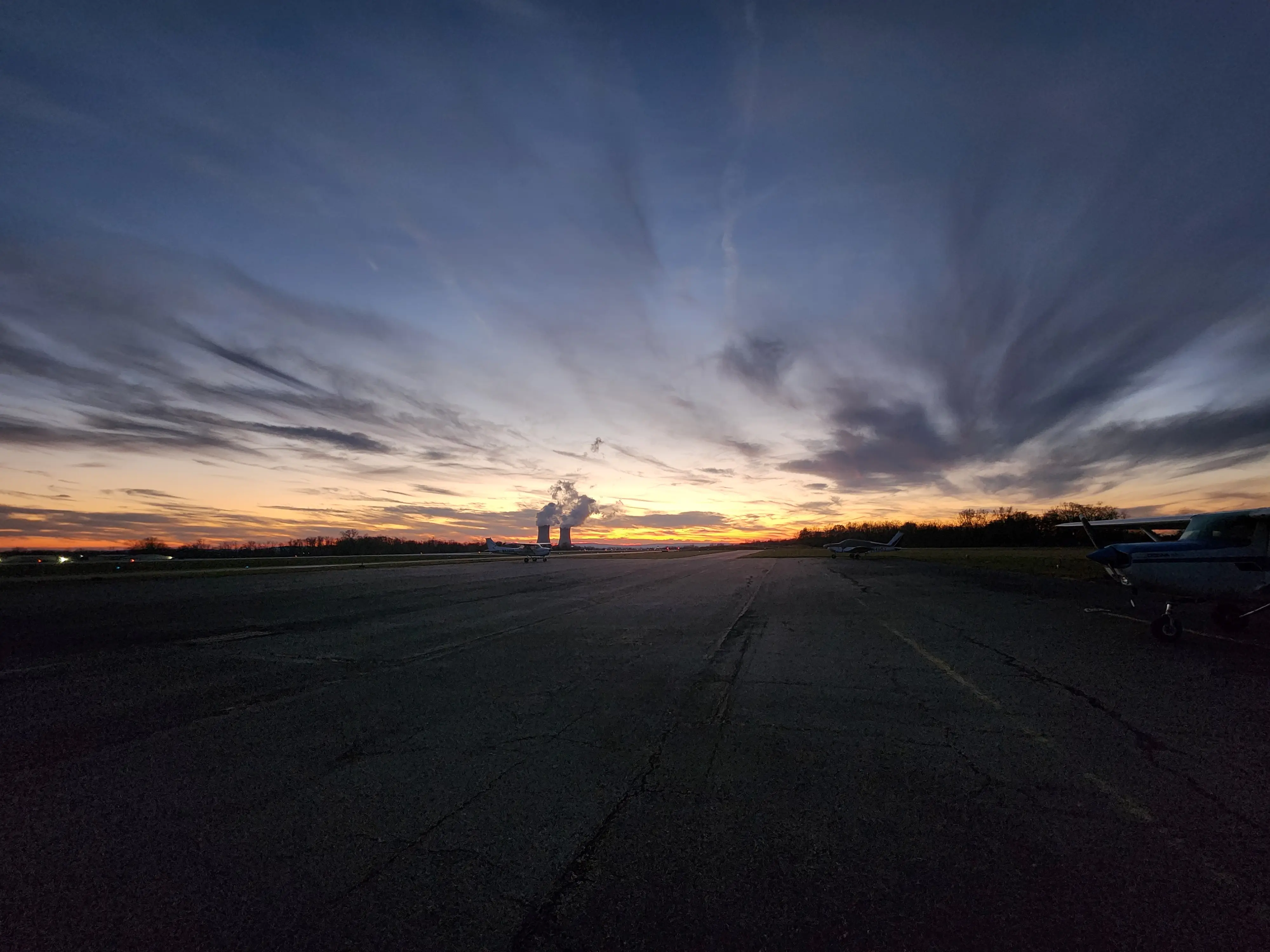
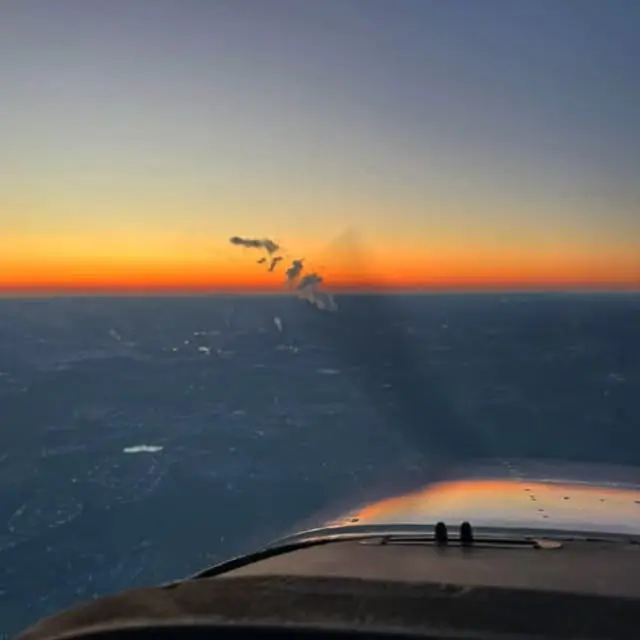
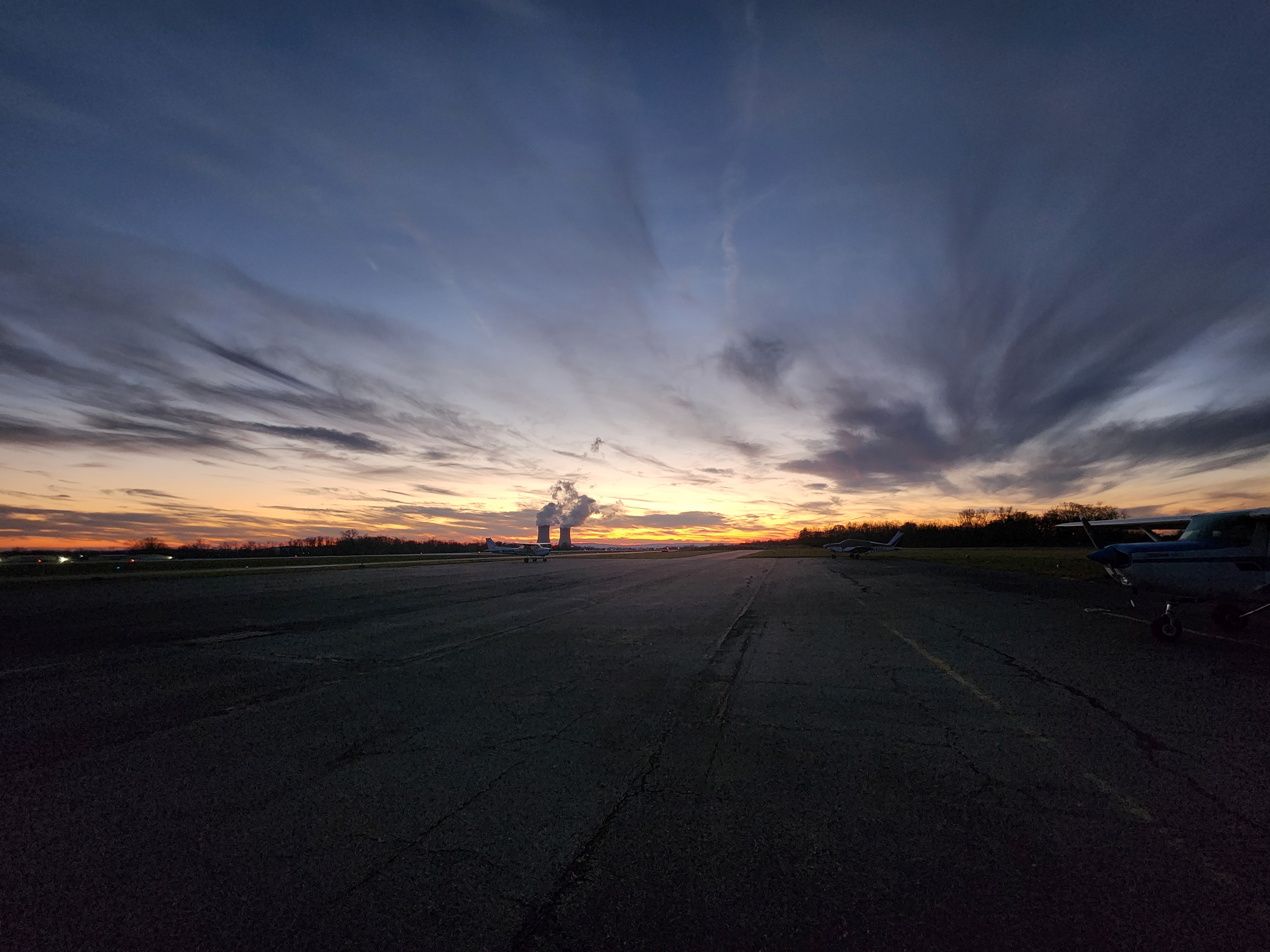
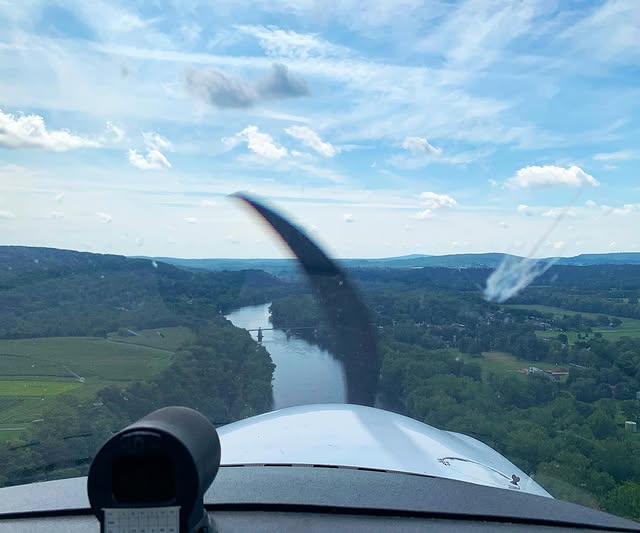
Plenty of pilots name an evening flight as their favorite. The air is often smoother late in the day, the light turns gold over the fields, and the Schuylkill River valley lays out below like a map. Valley Forge, the farms around Pottstown and the Philadelphia skyline look nothing like they do from the road.
The new perspective sticks with you. You start noticing how your area connects: where the rivers bend, how the towns spread out, which roads you have driven a thousand times without seeing their shape. Private pilot training includes night flying, so a flight that starts at sunset can end with the lights coming on below. If you plan to take passengers up after dark, the rules also ask for recent night takeoffs and landings, and your instructor will walk you through that.
Not ready to commit? A scenic ride lets you see these views with one of our pilots at the controls first.
5. Picture yourself as the one making the decisions
Learning to fly asks you to own outcomes in a way few hobbies do. Before every flight you check the airplane, the weather and yourself. In the air you make real decisions: continue or turn back, this runway or that one, go today or wait. The focus and confidence you build in the cockpit are hard to leave at the airport.
You build it by repetition. You practice the same procedures until they feel routine, and your instructor stays beside you until you are ready to solo. Our post on habits of safe pilots gives a good picture of the mindset you grow into.
Beyond the five: a community that is happy to see you
Airports have a culture of their own. People wander over to look at your airplane, trade route ideas and talk about the weather like it is the main news of the day. At Heritage Field that community comes together at our annual fly-in, when pilots from around the region visit and the flight school offers rides. Read about it in our fly-in announcement.
Once you earn your certificate, you also keep access to an airplane. Our rental fleet of Cessna 152s, 172s and the Beechcraft Sierra is there for your own trips, so you do not need to buy an airplane to keep flying. See our rental aircraft and contact us about rental requirements for newly certificated pilots.
What it takes to unlock these benefits
Every reason above starts with the private pilot certificate, which under Part 61 requires at least 40 hours of flight time, with set amounts of instruction and solo flying. That is the FAA minimum. Most people need more, depending on how often they fly, the weather and how quickly skills come together. The FAA’s guide to pilot certificate types lays out what each level allows.
| Step | What it unlocks | Where to start |
|---|---|---|
| Discovery flight | Your first time at the controls, from $185 | Discovery Flight |
| Private Pilot Training | Weekend trips, passengers, sunset flights, business travel under the private pilot rules | Private Pilot Training |
| Instrument Rating | More dependable cross-country travel when the weather is less than perfect | Instrument Rating |
A few practical steps come early. You need a student pilot certificate before you fly solo, though not to start lessons, and most students get an FAA medical certificate early from an Aviation Medical Examiner. Budget is the other big question. We do not have financing programs to announce right now, so contact us to talk through current rates and how to plan your budget. Our post on flying lesson costs in Pottstown is a good place to start.
Frequently Asked Questions
Can I learn to fly just for fun?
Yes. Many of our students train for personal flying, not a career. The private pilot certificate is built for exactly that: flying yourself, friends and family on your own schedule. See our private pilot training page.
Can I take my family flying once I have my certificate?
Yes. A private pilot can carry passengers and share operating costs with them, as long as you pay at least your equal share. The number of people depends on the airplane and its weight and balance limits.
Can I use my private pilot certificate for work trips?
You can fly yourself to business when the flight is incidental to your work. You cannot carry passengers or property for pay. Flying for hire takes a commercial pilot certificate and more.
Do I need to own an airplane?
No. Most new pilots rent. Our fleet of Cessna 152s, 172s and the Beechcraft Sierra is available to pilots who meet our rental requirements. Contact us for details.
What if the weather is bad on the day of my trip?
As a private pilot you fly in visual conditions, so some trips move to another day. Planning a backup day is part of flying. An instrument rating adds flexibility later.
How do I know if flying is for me?
Take a discovery flight. You take the controls with an instructor beside you, and the time can be logged. Read what happens on a discovery flight before you go.
Picture it, then try it
The weekend trips, the family flights, the evening over the Schuylkill valley: all of it starts with one flight. Book a discovery flight at Heritage Field, take the controls with one of our instructors, and see how flying fits your life. Book your discovery flight.